
UK Driving Test Slot Estimator
Select your location and preferences to estimate how long you might wait for a practical driving test slot in 2026.
Estimated Waiting Time
-- weeks
Based on current DVSA data trends and regional saturation.
Potential Extra Costs
If you wait longer than 8 weeks, consider these hidden costs:
- ⚠ Refresher lessons: £30–£40/hour if skills decay.
- ⚠ Insurance/License fees continue to accrue.
- ⚠ Opportunity cost: Delayed job applications/commuting.
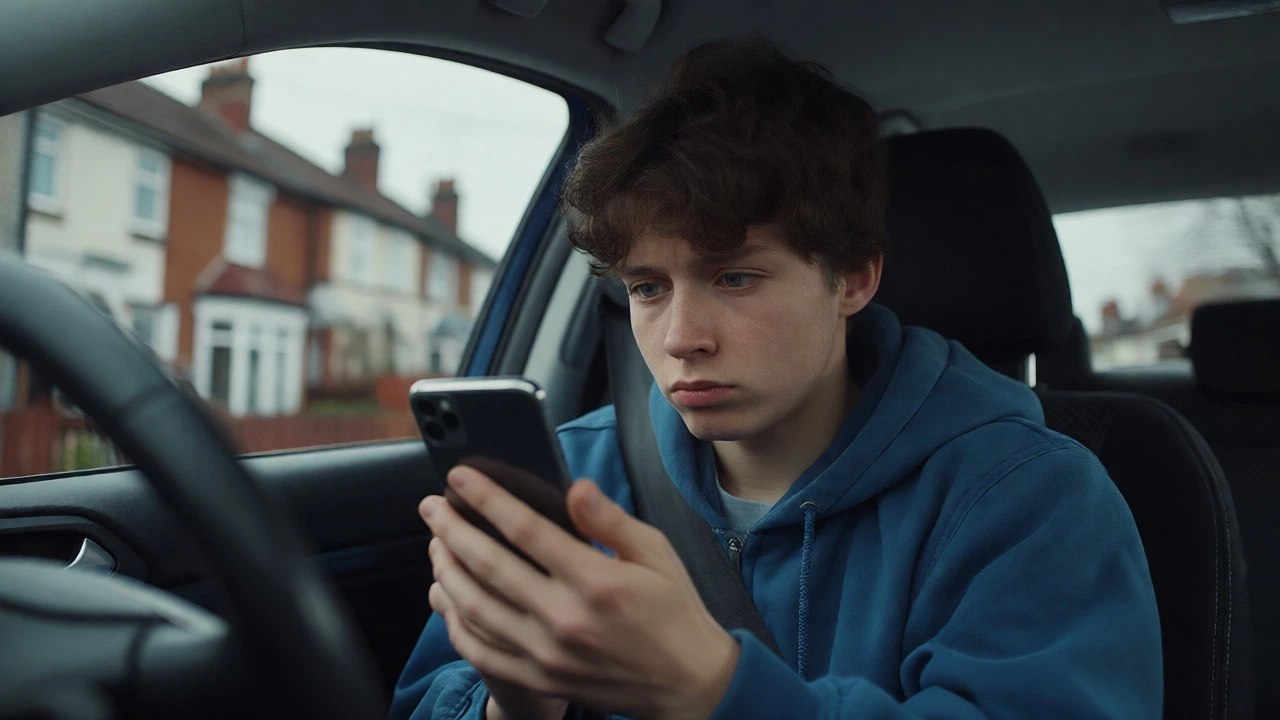
You’ve passed your theory. You’ve logged the hours. Your instructor says you’re ready. But when you log in to book your practical driving test, the calendar looks like a ghost town. No slots for three months? Maybe four? If that sounds familiar, you aren’t alone. Across the UK, learners are facing some of the longest waiting times in history. It’s frustrating, it’s expensive, and honestly, it feels broken. But why is this happening? And more importantly, what can you actually do about it?
The Perfect Storm: Why Slots Vanish
It’s not just bad luck. There are structural reasons why finding a slot has become harder than passing the test itself. First, let’s look at the supply side. The DVSA (Driver and Vehicle Standards Agency) operates under strict staffing limits. Examiners need breaks, they need training, and crucially, they cannot work indefinite overtime due to union agreements and health regulations. During peak periods-like summer holidays or right after new rules change-the demand spikes, but the supply of examiner hours stays flat.
Then there’s the demand spike. Post-pandemic, we saw a massive surge in people starting lessons because many had paused their learning during lockdowns. That backlog didn’t disappear; it compounded. Add in the rising cost of living pushing people toward cheaper transport options like cars over public transit, and you have more learners than ever competing for fewer slots.
But here’s the kicker most people miss: cancellations. When someone cancels late, that slot doesn’t instantly reappear on the main booking system for everyone to see. It often goes into a "cancellation pool" that gets redistributed quickly. If you’re checking once a week, you’re missing out. The market moves fast, and the algorithm favors those who check constantly.
Understanding the Booking System Mechanics
To beat the system, you need to understand how it works. The online booking portal isn’t a simple first-come, first-served queue in real-time. It’s updated periodically. This means if you refresh every five minutes, you might be seeing stale data. However, physical test centers operate differently than the central database. Sometimes, local centers release blocks of tests that haven’t been pushed to the national site yet, especially if an examiner calls in sick last minute.
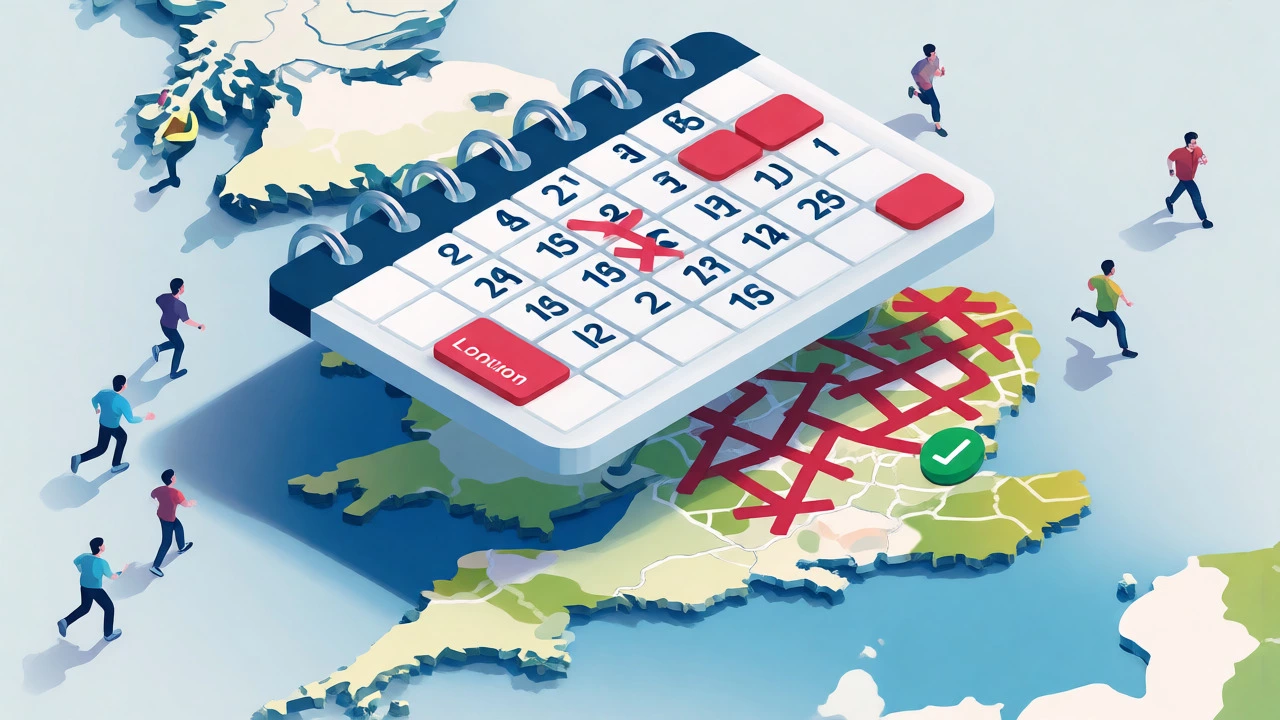
There is also the issue of "test center saturation." Popular urban centers like London Central or Manchester City are oversubscribed. Learners often default to these because they’re convenient. But convenience comes with a price tag in time. Rural centers often have availability weeks earlier. Are you willing to drive an hour to take your test? For many, the answer is yes, if it saves two months of waiting.
| Region | Average Wait Time | Peak Season Impact |
|---|---|---|
| London & South East | 12-16 weeks | High (Summer/Holidays) |
| Northern England | 8-12 weeks | Moderate |
| Scotland | 6-10 weeks | Low to Moderate |
| Wales | 5-9 weeks | Low |
Strategies to Secure a Slot Faster
If you’re stuck in the waitlist limbo, don’t just sit there. Here are actionable tactics that actually work.
Expand your radius. Stop filtering by your postcode alone. Look at centers within a 30-mile radius. Yes, you’ll need to arrange transport, but getting tested sooner means you save money on lesson retention fees and avoid skill decay. Many instructors will even travel with you to a nearby center if you ask nicely, or you can hire a local instructor for the pre-test warm-up.
Use cancellation alerts. Don’t rely solely on the official DVSA app. Third-party services monitor the API for cancellations and send instant notifications via SMS or email. Services like DriveTestNow or specialized apps can ping you the second a slot opens up. Speed matters here. Set up alerts for all nearby centers, not just your preferred one.
Consider an intensive course. Some driving schools offer packages that include guaranteed test bookings. They hold bulk slots or have relationships with centers that allow them to book ahead. While this costs more upfront, it removes the uncertainty. If you’re prone to anxiety about losing your progress, paying for certainty might be worth it.
Check for "hidden" slots. Occasionally, examiners add extra shifts that appear only briefly. Checking early morning (7 AM - 8 AM) or late evening can sometimes catch these before they get snapped up by bots or other eager learners.
The Cost of Waiting: Hidden Expenses
We talk about the stress, but let’s talk money. Every month you wait, you risk losing skills. If you go six weeks without practice, you might need refresher lessons before your test date. That’s £30-£40 per hour added to your bill. Plus, provisional license renewals and insurance quotes remain active while you wait.
Also, consider the opportunity cost. Can’t commute? Can’t apply for jobs requiring a full license? The delay impacts your career trajectory and daily life. Viewing the test booking as a logistical hurdle rather than just a bureaucratic step helps frame the urgency. Treat it like booking a flight for a critical business trip-you wouldn’t wait until the last minute.

What Happens If You Cancel?
Be careful with cancellations. If you cancel less than three working days before your test, you lose your fee. Worse, frequent cancellations can flag your account. If you book a slot elsewhere and then get a better one closer to home, ensure you cancel the old one properly. Double-checking the confirmation email is vital. Sometimes, glitches happen, and you end up with two bookings. Paying twice is annoying, but showing up unbooked is worse.
Another trap: assuming a cancelled slot will reappear immediately. It might go back into the general pool, but high-demand areas clear inventory in seconds. If you cancel hoping to rebook a specific day, you might find yourself further back in the queue than before.
Future Outlook: Will It Get Better?
The DVSA has introduced measures to tackle this, including recruiting more examiners and extending operating hours. However, training new examiners takes time. We’re looking at a gradual improvement through 2026, but don’t expect overnight fixes. The culture of "instant gratification" in digital services clashes with the reality of human-led assessments.
Keep an eye on policy changes. Recently, there have been discussions about allowing supervisors for private practice to count towards certain requirements, which could streamline the pipeline. Stay informed via official government updates, but keep your expectations realistic. Adaptability is your best tool right now.
How far in advance should I try to book my driving test?
Ideally, start looking 3-4 months before you feel ready. In high-demand areas, slots fill up almost instantly. Setting up alerts early gives you the best chance of securing a date that aligns with your skill level.
Can I use a friend's car for the driving test?
Yes, provided the car meets legal requirements: valid MOT, tax, insurance covering you for the test, and no warning lights on the dashboard. Ensure the mirrors are adjusted correctly before arriving.
Do third-party booking services guarantee a slot?
No service can guarantee a slot because they rely on the same DVSA inventory. They simply notify you faster than manual checking. Be wary of sites claiming guaranteed passes or slots for exorbitant fees without transparency.
What if I fail and need to rebook?
You must wait at least 10 working days before retaking the test. Availability for retests is often tighter than initial bookings because many learners are in the same boat. Book your next attempt immediately after failing to secure a spot.
Are automatic test slots harder to find?
Generally, yes. Automatic cars are becoming more popular, especially among younger learners and those with medical conditions. Manual slots may still have slightly higher availability in rural areas, but the gap is narrowing.