

Driving Test Success Predictor
Configure Your Scenario
Enter your details to see your estimated success rate.
Picture this: you’ve booked your test. You’re nervous. You check online and see that one testing center has a 70% pass rate while another nearby only hits 50%. Naturally, you wonder if swapping centers gives you an unfair advantage. Does it? The short answer is yes-but not in the way you might think.
The idea of finding the "easiest" place to take your driving test is a practical assessment conducted by a licensed examiner to determine if a candidate can drive safely and legally on public roads is tempting. But here’s the reality: examiners don’t grade on a curve. They follow strict guidelines set by the licensing authority. However, some routes are simply less chaotic than others. Some examiners have reputations for being more patient. And some locations offer conditions that reduce stress rather than add to it.
Why Location Actually Matters
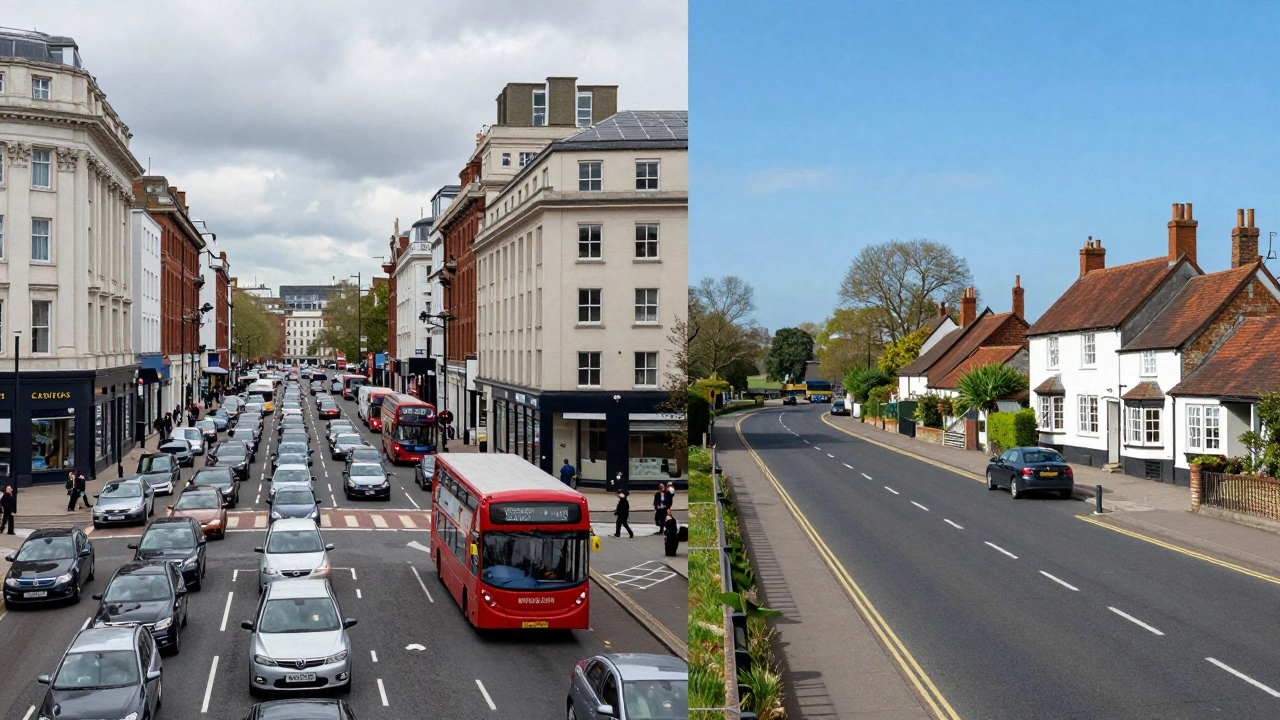
You might assume that since the rules are national, the experience should be identical everywhere. That’s partially true. The maneuvers you perform-parallel parking, emergency stops, roundabout navigation-are standardized. But the environment isn’t. A test route through a quiet suburban street with light traffic feels worlds apart from one winding through a busy city center during rush hour.
In the UK, for example, the Driver and Vehicle Standards Agency (DVSA) publishes annual reports showing pass rates by testing center. These numbers aren’t random. Centers like Bognor Regis is a coastal town in West Sussex known for having one of the highest driving test pass rates in the country often boast pass rates above 60%, while urban centers like London or Manchester sometimes dip below 45%. Why? Traffic density, road complexity, and even weather patterns play a role.
If you’re considering an intensive driving course is a compressed training program designed to prepare candidates for their driving test within a short period, typically one to two weeks, choosing the right location becomes even more critical. You won’t have months to adjust to difficult routes. You need a place where your skills can shine without unnecessary obstacles.
How to Spot a "Friendly" Testing Center
Not all testing centers are created equal. Here’s how to identify ones that give you a better shot:
- Check recent pass rates: Look for centers with consistent pass rates above the national average. In the UK, the national average hovers around 46-48%. Aim for centers at 55% or higher.
- Review route difficulty: Talk to local instructors. They know which routes involve complex junctions, heavy pedestrian activity, or confusing signage.
- Consider travel time: Arriving stressed because you got stuck in traffic before your test starts is a recipe for failure. Choose a center close to home or work.
- Look for smaller towns: Rural areas often have simpler routes with fewer hazards. Think of places like Worcester is a city in Worcestershire, England, known for its relatively straightforward driving test routes and high pass rates or Hereford is a cathedral city in Herefordshire, offering calm driving conditions and favorable test outcomes.
Avoid major cities unless you’re confident in handling dense traffic. Even experienced drivers struggle with unpredictable pedestrians, cyclists, and delivery vans in urban environments.
The Role of Examiner Behavior
Let’s address the elephant in the room: do some examiners make it harder? Technically, no. Every examiner undergoes rigorous training to ensure consistency. But human factors still matter. Some examiners are quieter, giving minimal instruction. Others provide gentle reminders when you hesitate. Neither is "wrong," but one style may suit you better.
Unfortunately, you can’t choose your examiner. What you can do is prepare for any scenario. Practice driving silently. Get comfortable making decisions without verbal cues. If your instructor mimics a strict examiner during lessons, you’ll feel less surprised on test day.
Also, remember that examiners aren’t trying to fail you. Their job is to assess safety. If you demonstrate control, awareness, and confidence, they’ll mark you fairly. Nervousness doesn’t excuse errors, but calm preparation does.
Intensive Courses: How Location Amplifies Success
If you’re signing up for an intensive driving course, location choice directly impacts your outcome. These courses compress weeks of learning into days. You’ll cover theory, practice maneuvers, and simulate test conditions-all in rapid succession.
Imagine taking an intensive course in a rural area versus a metropolitan hub. In the countryside, you’ll practice parallel parking on wide, empty streets. In the city, you’ll squeeze between parked cars while dodging buses. Which scenario builds confidence faster? For most learners, the former wins.
Many reputable schools offer mobile intensive courses, meaning the instructor comes to you. This flexibility lets you pick a familiar neighborhood as your base. Familiarity reduces anxiety. You already know the speed limits, the tricky corners, and the busier intersections. That comfort translates into smoother performance during the actual test.
Pro tip: Ask your provider if they can align your final mock test with the real testing center’s route. Some schools map out exact paths used by local examiners. Practicing these repeatedly makes the real thing feel routine.
Common Myths About "Easy" Tests
Before booking, let’s debunk a few myths circulating online:
- "Morning tests are easier." Not necessarily. Morning slots mean fresh examiners, but also colder temperatures and potential fog. Afternoon tests might face heavier traffic. Pick based on your personal peak alertness, not superstition.
- "Automatic cars guarantee passes." Automatic licenses restrict you to driving only automatic vehicles. While slightly easier to learn, they don’t improve overall pass rates significantly. Stick with manual if long-term flexibility matters.
- "Examiners prefer certain car types." False. As long as your vehicle meets legal standards (working indicators, seatbelts, etc.), the model doesn’t matter. A small hatchback performs just fine.
Focusing on skill development beats chasing lucky breaks every time.
Step-by-Step: Choosing Your Ideal Test Location
Ready to find your best chance? Follow this simple checklist:
- Research pass rates: Visit official government websites (like GOV.UK in the UK) for updated statistics. Filter by region and sort by highest pass percentage.
- Talk to instructors: Local pros know hidden gems. Ask them, "Which center do your students pass most often?"
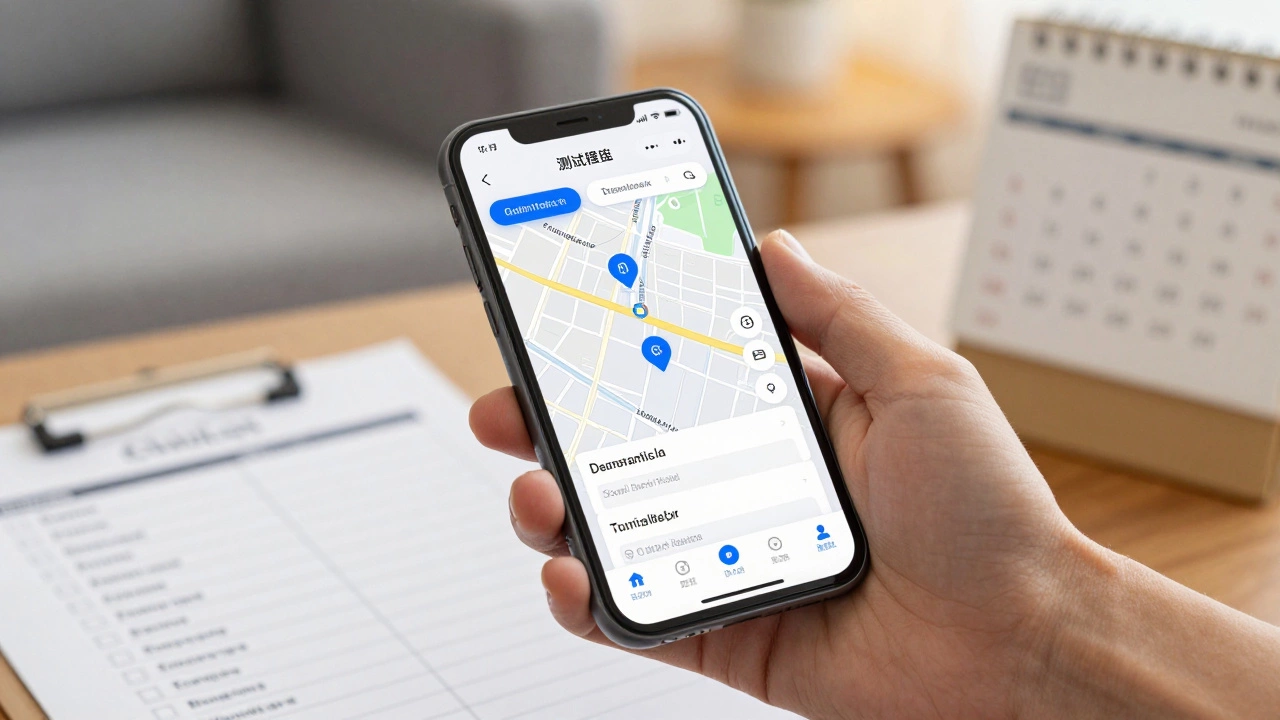
- Visit the area: Drive around the testing zone beforehand. Note traffic patterns, construction zones, and school drop-off times.
- Book early: Popular centers fill up fast. Secure your slot months ahead, especially if using an intensive course.
- Prepare mentally: Visualize success. Imagine navigating each turn smoothly. Confidence shapes perception-and perception affects performance.
Don’t overthink it. Once you’ve picked a solid location, shift focus to mastering fundamentals. Good luck!
Does the time of day affect my chances of passing?
Indirectly, yes. Morning tests may feature lighter traffic but colder weather. Afternoon tests could mean warmer conditions but increased congestion. Choose based on when you feel most alert and relaxed. Personal rhythm matters more than universal trends.
Can I request a specific examiner?
No. Examiners are assigned randomly to maintain fairness and prevent bias. Trying to influence assignment violates testing policies and risks disqualification. Focus instead on adapting to different styles through varied practice sessions.
Are automatic driving tests genuinely easier?
Slightly, for beginners. Without clutch control or gear shifting, cognitive load decreases. However, automatic license holders cannot drive manual cars later without retaking the full test. Consider future needs before deciding.
What happens if I fail my first attempt?
You receive detailed feedback highlighting areas needing improvement. Most candidates book additional lessons targeting those weaknesses. Retake fees apply, so use the opportunity wisely. Many successful drivers failed once or twice before passing.
Is it worth traveling far for a "better" test center?
Only if the pass rate difference exceeds 10-15%. Travel fatigue adds stress, which harms performance. A nearby center with decent odds usually beats a distant hotspot. Balance convenience with statistical advantage.