
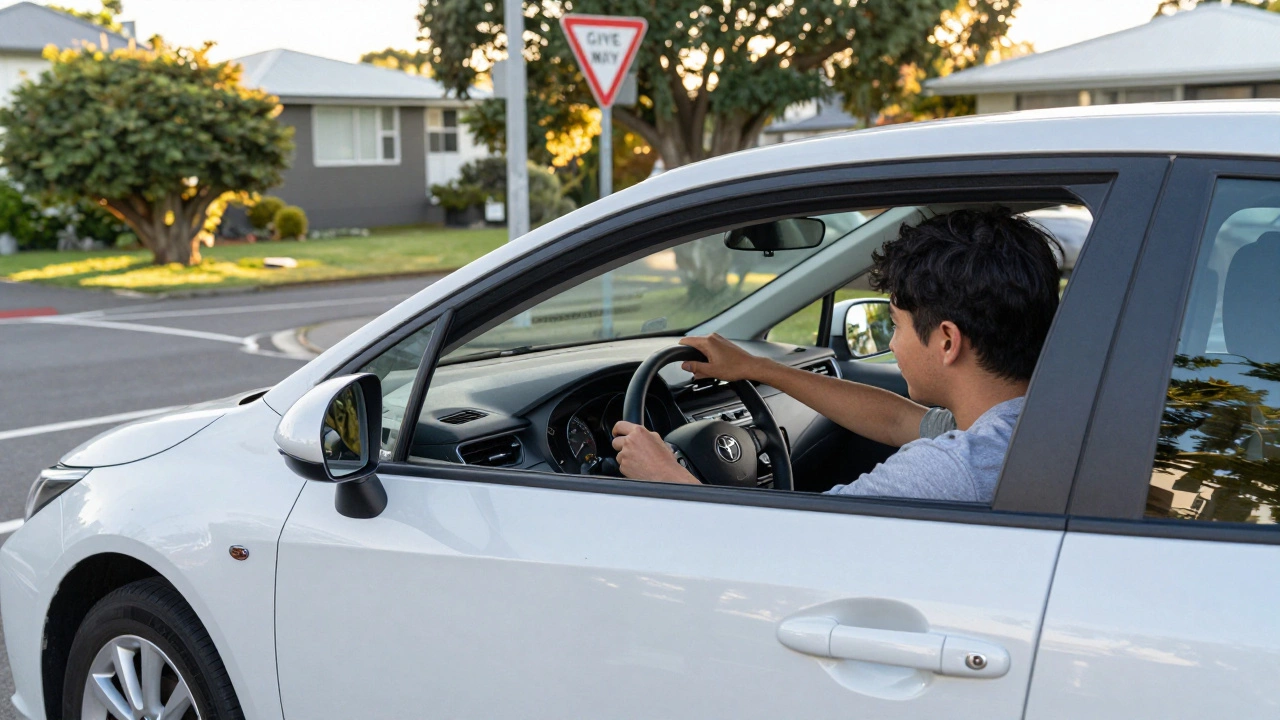
Choosing the right driving instructor can make all the difference in how quickly and confidently you learn to drive. It’s not just about finding someone who knows the rules of the road - it’s about finding someone who fits your learning style, communicates clearly, and actually cares about your progress. Too many learners skip this step and end up stuck in lessons that feel repetitive, confusing, or worse, unsafe. If you’re in Wellington or anywhere else in New Zealand, asking the right questions upfront saves time, money, and stress.
What’s your pass rate?
This is the question most people forget to ask - and it’s the most telling. A good driving instructor will happily share their recent pass rate. Ask for the percentage of students who passed their practical test within their first three attempts. In New Zealand, the average pass rate across all instructors hovers around 55%. Top instructors consistently hit 70% or higher. If someone says, ‘I don’t track it,’ that’s a red flag. Tracking pass rates means they’re analyzing what works and adjusting their teaching. If they don’t, they’re just going through the motions.
Do you teach for the New Zealand road code specifically?
Not all instructors know the local rules inside out. New Zealand has unique traffic signs, roundabout rules, and speed zone practices that differ from other countries. Some instructors trained overseas or learned on outdated materials. Ask if they’ve taken the NZTA-approved instructor refresher course in the last two years. If they haven’t, they might be teaching outdated or incorrect information. For example, many still think you must stop at every unmarked intersection - you don’t. The correct rule is to slow down and give way if there’s a risk. A good instructor knows these details.
How do you handle nervous students?
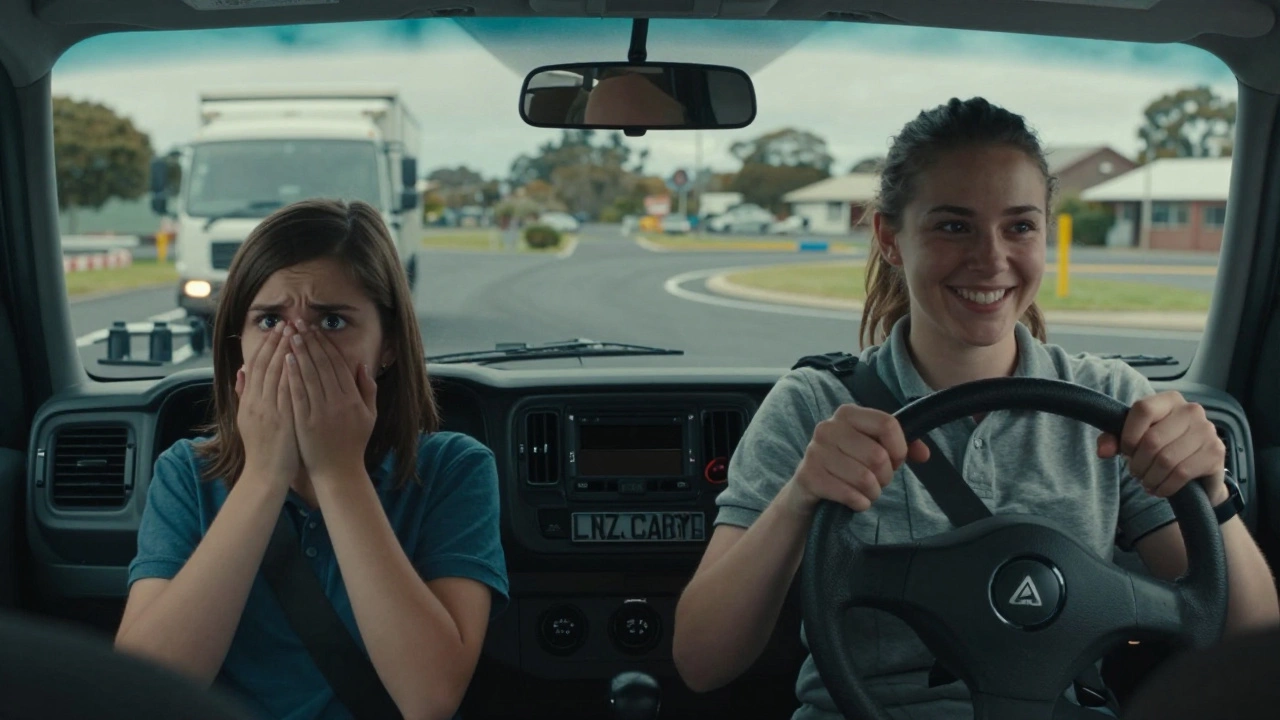
Driving anxiety is real. If you’re the type who freezes at roundabouts or panics when a truck passes, you need someone who doesn’t push you into deep water. Ask how they’ve helped students with similar fears. Some instructors use breathing techniques, gradual exposure, or even short breaks mid-lesson. Others just say ‘just relax’ - which doesn’t help. Look for someone who says, ‘I’ve had students who couldn’t even start the car. We worked on small goals: sitting in the car, turning the key, then moving one meter at a time.’ That’s the kind of patience you want.
Will I get the same instructor for every lesson?
Some schools rotate instructors to ‘give you different perspectives.’ That sounds nice, but it’s usually a cost-cutting trick. You’ll lose momentum. Each instructor has their own style, corrections, and feedback rhythm. Switching mid-lesson means you’re constantly relearning how to interpret advice. If you’re paying for lessons, you deserve consistency. Ask if you’ll be assigned one primary instructor. If they say yes, follow up: ‘Can I meet them before booking?’ A confident instructor will let you do that.
What does a typical lesson look like?
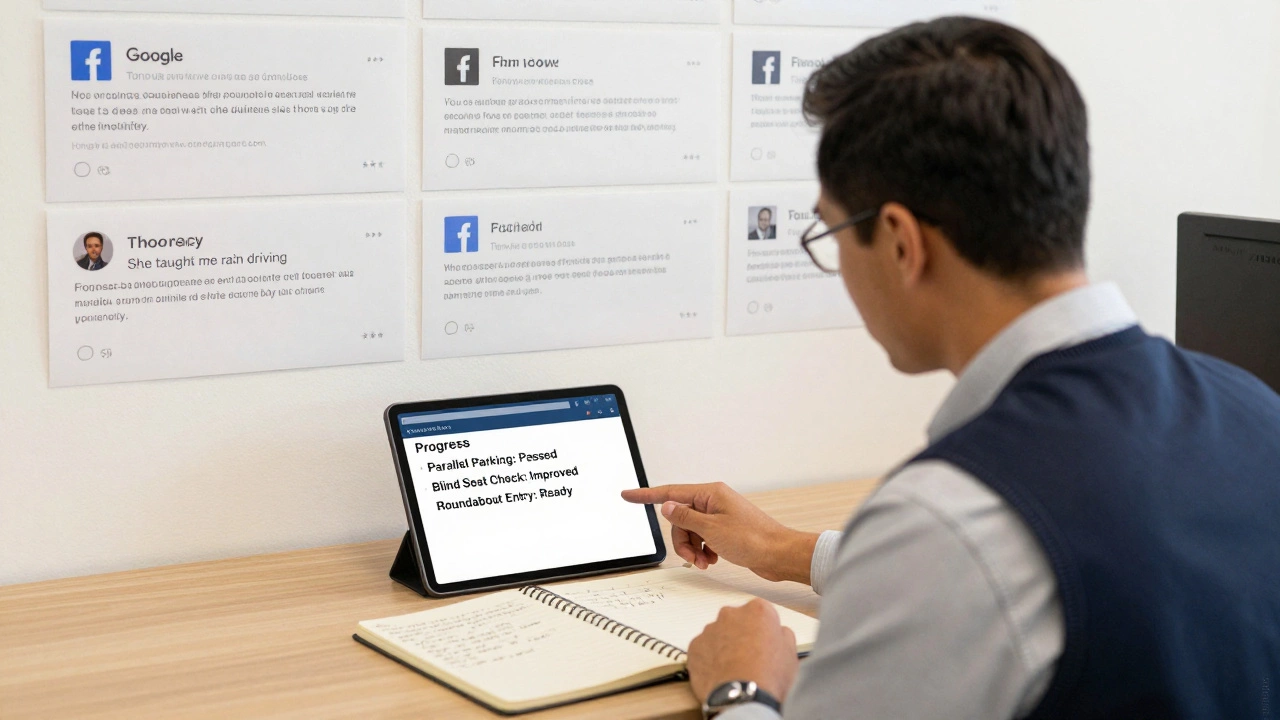
Some instructors spend the first 20 minutes of every lesson talking about their weekend. Others jump straight into parking drills. You want structure. Ask for a sample lesson plan. A good one includes: 5 minutes of review, 10 minutes of new skill, 20 minutes of practice, 5 minutes of feedback. They should also track your progress with a checklist - like ‘parallel parking in traffic,’ ‘navigating roundabouts with pedestrians,’ or ‘merging on highways.’ If they say, ‘I just go where the road takes us,’ they’re not teaching - they’re winging it.
Do you use a dual-controlled car?
This isn’t optional. Every instructor should use a vehicle with dual brakes and dual mirrors. If they say, ‘I’ve never had an accident,’ that’s not a reassurance - it’s a risk. Dual controls aren’t just for emergencies. They give you space to learn. You can focus on steering and observation without the fear of crashing. Ask what model the car is. Common ones in NZ include the Toyota Corolla or Holden Astra - both reliable and easy to handle. Avoid instructors using old, poorly maintained cars. A squeaky brake or sticky clutch adds unnecessary stress.
How do you prepare students for the practical test?
Many instructors treat the test like a surprise. That’s dangerous. A good one will simulate the test route multiple times. Ask if they’ve driven the actual test routes in your area - like the ones in Lower Hutt, Porirua, or Miramar. They should know the common failure points: not checking blind spots at intersections, misjudging gap in traffic, or forgetting to signal. Some even record mock tests on video so you can see where you went wrong. If they don’t, they’re not preparing you - they’re just hoping you’ll get lucky.
What happens if I fail my test?
It’s not if - it’s when. Most people don’t pass on the first try. Ask how they handle retakes. Do they offer a discounted retest package? Do they review your test feedback with you? Some instructors just say, ‘Try again next month.’ Others sit down with you, show you exactly what went wrong - like ‘You didn’t check the right mirror before turning left at the traffic lights’ - and create a targeted plan to fix it. That’s value.
Can I see reviews from past students?
Don’t rely on their website. Ask for real, recent reviews - not the ones they hand-picked. Look for mentions of communication, punctuality, and whether the student felt more confident after lessons. If they say, ‘I don’t have any,’ that’s odd. In 2026, every decent instructor has Google or Facebook reviews. If they do have them, read the ones with details: ‘She taught me how to handle rain on the motorway’ or ‘He didn’t yell when I stalled - he explained why.’ That’s the stuff that matters.
Do you offer feedback after each lesson?
Most instructors give vague comments like ‘you did okay.’ That’s useless. You need specifics. Ask if they provide written or digital feedback after each session. Some use apps like DriveLog or NZ Driving Log that record your progress, highlight mistakes, and suggest drills. Others send a quick text: ‘Today: improved mirror checks. Work on left-turn gap judgment next time.’ That kind of feedback turns lessons into progress.
What’s your cancellation policy?
Life happens. You might get sick, have a family emergency, or a flat tire. Ask how much notice they require to cancel without charge. Most charge full fees if you cancel with less than 24 hours notice. That’s normal. But if they charge for cancellations under 48 hours or don’t allow rescheduling, walk away. A good instructor understands life isn’t perfectly scheduled.
Do you offer a free trial lesson?
Some schools offer a 15- to 30-minute trial at a reduced rate - sometimes even free. Use it. You don’t need to book 10 lessons blind. A trial lets you feel their energy, hear their tone, and see if you actually like being around them. If you leave the trial feeling drained, anxious, or talked down to - even if they’re ‘the cheapest option’ - don’t go back. Your confidence matters more than the price.
How do you keep up with changes in driving laws?
Driving rules change. In 2025, NZTA updated the speed limit rules for school zones and introduced new guidelines for mobile phone use while stopped at traffic lights. A good instructor stays updated. Ask if they attend annual training or subscribe to NZTA’s instructor bulletins. If they say, ‘I’ve been doing this for 10 years,’ that doesn’t mean they’re current. Experience doesn’t replace ongoing learning.
How many lessons should I take before my test?
There’s no fixed number, but most learners in New Zealand need between 20 and 30 hours of professional instruction before they’re ready. If you’re taking 1-hour lessons twice a week, that’s about 10 to 15 weeks. People who take more than 40 hours often have gaps in confidence or specific fears - like night driving or highways. Don’t rush, but also don’t drag it out. A good instructor will tell you when you’re ready, not just when you’ve paid for 20 lessons.
Can I choose my driving instructor’s gender?
Yes. Most driving schools let you request a male or female instructor. If you’re more comfortable learning from someone who shares your gender, say so. It’s not about preference - it’s about learning environment. Some learners feel less pressure with a female instructor; others find a male instructor’s tone more direct and helpful. There’s no right or wrong - just what works for you.
Should I take lessons before or after my theory test?
Take lessons after. The theory test covers road rules, signs, and hazard awareness - but it doesn’t teach you how to actually drive. If you start lessons before passing the theory test, you’ll be learning without context. Once you pass, your lessons become 50% more effective because you understand why you’re doing things. Many instructors won’t even start until you’ve passed the theory test - and for good reason.
Is it better to learn in an automatic or manual car?
If you plan to drive both, learn in manual. It’s harder at first, but you’ll be able to drive any car afterward. If you only need to drive automatic - like for city commuting or if you have a physical limitation - start with automatic. It’s easier, faster, and less stressful. About 60% of new drivers in New Zealand now choose automatic. The test is the same either way, so choose based on your future needs, not what’s trendy.
What should I bring to my first lesson?
Your learner licence (physical or digital), glasses or contacts if you need them, and comfortable shoes. No flip-flops or high heels. Bring a notebook or use your phone to take notes - many instructors will let you record the feedback. Don’t bring distractions: loud music, snacks, or passengers. Your first lesson is about building focus, not comfort.