
Pre-Drive Safety Checklist
Click each step below to mark it as complete. Ensure you perform these actions in order every time you drive.
Ready to Drive!
You have completed the essential pre-drive checks. Remember to stay alert and drive defensively.
You sit in the driver’s seat. Your hands are on the wheel. You’re ready to go. But wait-did you actually check if anyone is behind you? Did you adjust your seat so you can reach the pedals comfortably? Most new drivers jump straight into gear without thinking about the three seconds that happen before the engine starts. Those seconds matter more than you think.
Before you even turn the key or push the start button, there is a specific sequence of actions that sets the stage for a safe journey. It’s not just about legality; it’s about control. If you skip these steps, you’re reacting to problems instead of preventing them. Let’s break down exactly what needs to happen, in order, before your car moves an inch.
The Mirror Check: Seeing What Isn’t There
The very first physical action you take inside the vehicle should be checking your surroundings. This isn’t just looking out the window. It’s a systematic scan. In New Zealand, where we drive on the left, this means paying extra attention to the right side of the road, which is often blind to you.
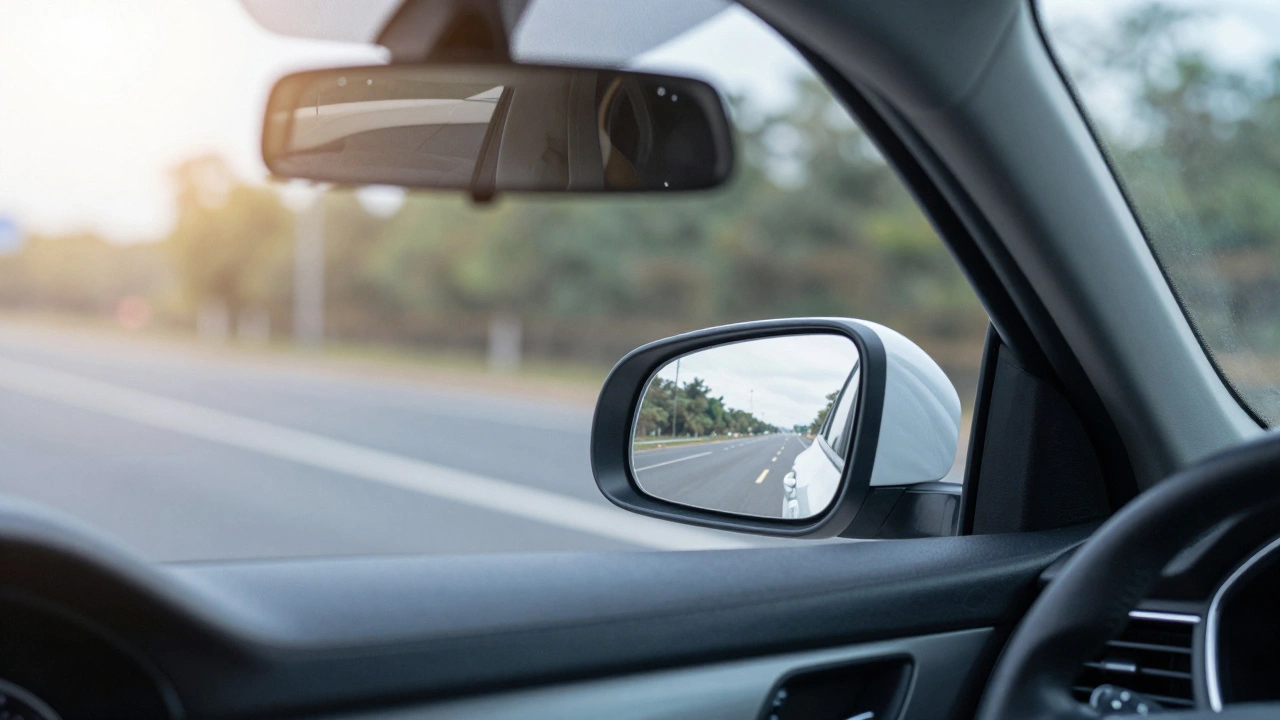
Mirrors are essential safety devices that provide a view of the traffic behind and beside your vehicle. You need to adjust them before you start the engine. Why? Because once you start moving, your eyes should stay on the road ahead. If you fiddle with mirrors while driving, you’re distracted. If you don’t adjust them at all, you have blind spots.
- Interior Rear-View Mirror: Adjust this so you can see directly through the back window. You should see the license plate of the car behind you clearly.
- Left Side Mirror: Since you sit on the left, this mirror is easier to adjust. Tilt it until you can just barely see the side of your own car. This minimizes the blind spot.
- Right Side Mirror: This is the tricky one. Because you’re further from it, the blind spot is larger. Adjust it so you can see the lane next to you clearly. When you change lanes to the right, you must physically turn your head because no mirror will show you everything.
If you get in the car and the mirrors are already set, give them a quick glance to ensure they haven’t been bumped or adjusted by someone else. A misaligned mirror is a silent hazard.
Seat Position: Control Starts With Comfort
Next up is your seat. I’ve seen too many learners slouching in their seats or sitting so far back they have to stretch to hit the brake. Both are dangerous. Your body position dictates how quickly you can react in an emergency.
Seat Adjustment is the process of positioning the driver's seat to ensure optimal control over steering, pedals, and visibility. Here is the rule of thumb: when you press the clutch (or brake) fully to the floor, your knee should still have a slight bend. If your leg is straight, you’re too far back. If you’re cramped, you’re too close.
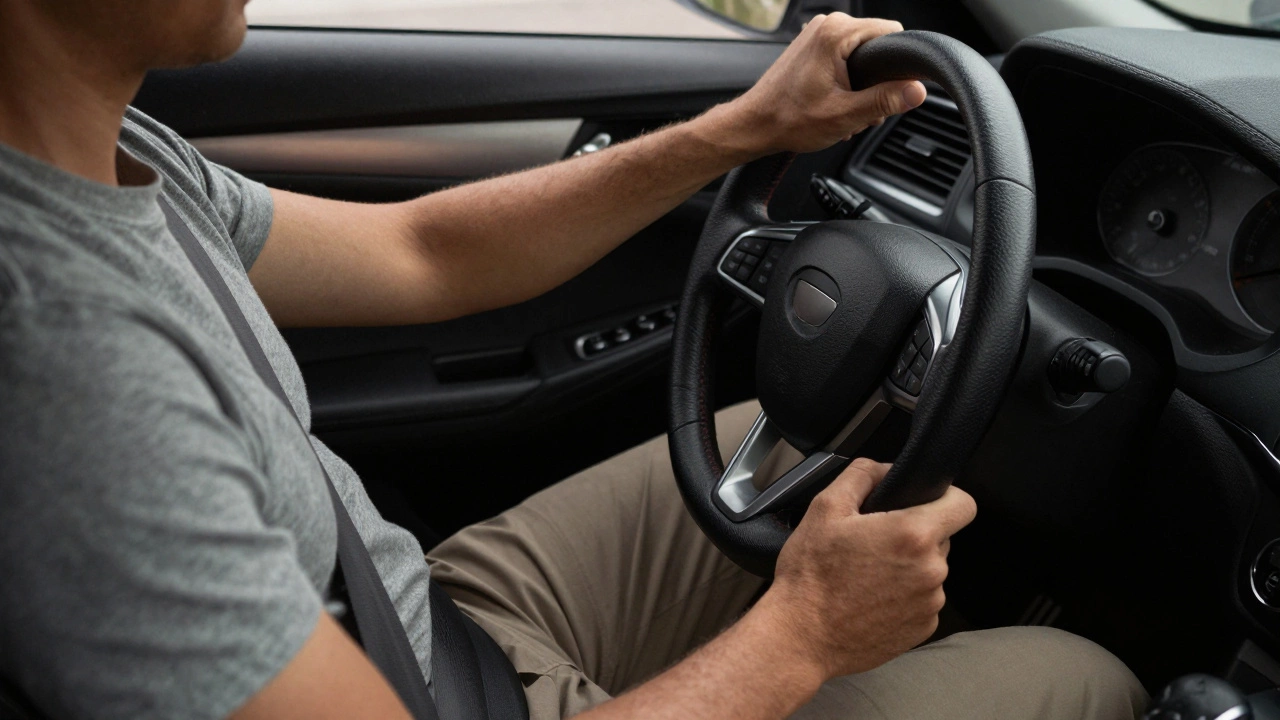
Sit upright. Don’t lean back against the headrest unless you’re on a long highway trip. For city driving, sit slightly forward. This gives you better leverage on the steering wheel. You should be able to touch the top of the steering wheel with your arm extended, but your wrists should rest on the rim when your arms are bent at 90 degrees. This "clock position" (hands at 9 and 3) allows you to steer smoothly without crossing your arms awkwardly.
Also, check the height. You need to see the dashboard instruments clearly without straining your neck. If you can’t see the speedometer or warning lights, you’re flying blind.
The Seatbelt: Non-Negotiable Safety
This sounds obvious, but it’s worth saying. Buckle up before you start the engine. In New Zealand, wearing a seatbelt is the law, and it’s the single most effective way to survive a crash.
Seatbelts are restraint systems designed to keep occupants in place during sudden stops or collisions. Make sure the belt clicks into the buckle firmly. Pull the strap tight across your lap and shoulder. It shouldn’t be loose. A loose seatbelt can cause internal injuries in a crash because it doesn’t distribute force properly. Also, ensure the belt isn’t twisted. A twisted belt offers less protection and can dig into your skin.
If you’re carrying passengers, remind them to buckle up too. As the driver, you’re responsible for ensuring everyone in your car is secured. It’s a small habit that saves lives.
The 'PSSU' Routine: A Professional Standard
In professional driving training, especially for HGVs and buses, there’s a routine called PSSU: Park, Steering, Seat, Unit. For cars, we adapt this to a simpler version: Posture, Seatbelt, Surroundings, Unlock.
- Posture: Sit correctly, as discussed above.
- Seatbelt: Click it in.
- Surroundings: Look around. Is there a child playing near the car? Is there a cyclist passing on your right? Are there pedestrians crossing?
- Unlock: Ensure the doors are unlocked so passengers can exit safely if needed, and check that the handbrake is engaged.
This routine takes five seconds. It becomes muscle memory over time. But until then, make it a conscious step every single time you get into the car.
Checking the Vehicle: Beyond the Interior
Before you even open the door, walk around the car. This is part of the pre-drive check. Look for obstacles. Check the tires for obvious damage or low pressure. Look under the car for leaks or animals. In Wellington, where wind can blow debris onto roads, checking for objects stuck to your wheels or undercarriage is smart.
Vehicle Inspection is a visual check of the car's exterior and interior condition before operation. You don’t need to be a mechanic, but you should know what’s normal for your car. Does the oil look black and gritty? Is there steam coming from the engine? These are red flags.
Once inside, check the dashboard. When you turn the ignition to the "on" position (without starting the engine), all the warning lights should illuminate briefly. Then they should go off. If any light stays on-like the oil pressure light, battery light, or brake system warning-do not drive. Address the issue first.
| Light Symbol | Meaning | Action Required |
|---|---|---|
| Oil Can | Low Oil Pressure | Stop immediately. Check oil level. Do not drive. |
| Battery | Charging System Fault | Check alternator/belt. Drive only to nearest mechanic. |
| Brake (!) | Handbrake Engaged or Brake Fluid Low | Release handbrake. If light stays on, check fluid. |
| Engine Block | Engine Management Issue | Reduce speed. Visit mechanic soon. |
Mental Preparation: Setting the Intent
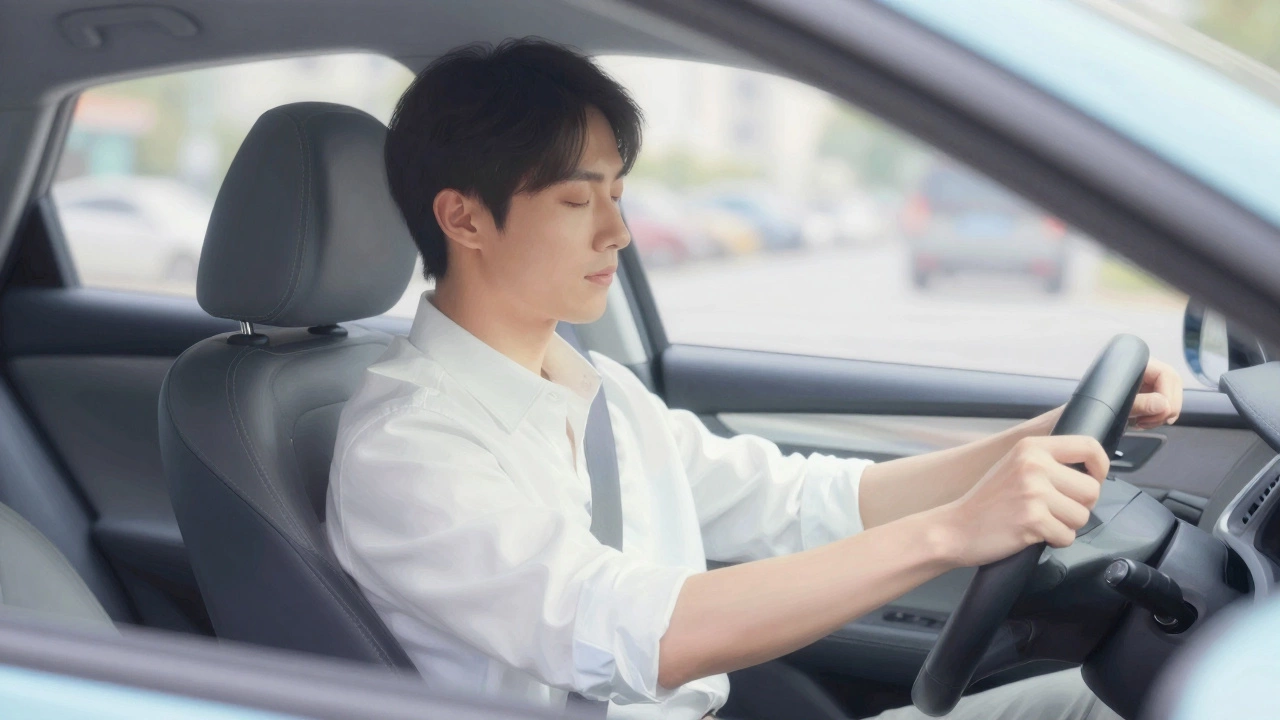
Finally, there’s the mental aspect. What are you driving for? Are you rushing to work? Are you relaxed? Your mindset affects your driving. If you’re stressed, take a deep breath. Acknowledge that you might be late, but arriving safely is more important than arriving early.
Defensive Driving is a set of techniques to minimize risk regardless of the actions of others. Part of defensive driving is anticipating hazards. Before you move, think about the route. Will you be turning left into a busy street? Will you be merging onto a highway? Plan your maneuvers in advance.
Put your phone away. Not on silent. Not face down. Put it in the glove box or bag. Distraction is the leading cause of accidents among experienced drivers. If you need navigation, set it up before you start the engine.
Common Mistakes New Drivers Make
I’ve taught hundreds of students, and these mistakes come up again and again:
- Ignoring the Handbrake: Always check if the handbrake is released before moving. Some cars have indicators for this. If you drive with the handbrake on, you’ll smell burning brakes and damage your car.
- Not Checking Blind Spots: Mirrors aren’t enough. Always look over your shoulder before changing lanes.
- Rushing the Start: Take your time. There’s no penalty for taking ten seconds to prepare. There is a penalty for crashing because you didn’t adjust your seat.
- Forgetting Passengers: If someone gets in after you’ve started the car, remind them to buckle up. Don’t assume they will.
These habits seem minor, but they compound. Over time, they become second nature. And when they do, you’ll feel more confident and in control behind the wheel.
Do I need to check my tires every time I drive?
You don’t need to measure tire pressure every time, but you should visually inspect them for obvious damage, bulges, or extreme wear. Check pressure weekly or before long trips. Properly inflated tires improve fuel efficiency and handling.
What if my car has automatic transmission?
The pre-drive checklist remains the same. Adjust mirrors, seat, and seatbelt. Check surroundings. The only difference is you won’t be pressing a clutch pedal. Ensure the gear selector is in Park before starting the engine.
Is it okay to adjust mirrors while driving?
No. Adjusting mirrors requires your eyes off the road and your hands off the wheel. It creates a distraction that could lead to an accident. Always adjust mirrors before starting the engine.
Why is sitting too far back dangerous?
Sitting too far back reduces your control over the steering wheel and pedals. In an emergency, you may not be able to brake quickly enough. It also increases the risk of injury from airbag deployment, as you’re closer to the impact zone.
What should I do if a warning light stays on?
If a warning light stays on after starting the engine, consult your owner’s manual. Red lights usually indicate a serious issue requiring immediate attention. Amber/yellow lights suggest caution. Never ignore red lights like oil pressure or brake warnings.