
Test Drive Inspection Checklist
Use this interactive checklist during your next test drive to ensure you don't miss critical details. Check off each item as you verify it.
Pre-Drive & Static Checks
Driving & Sensory Checks
You have the keys in your hand. The dealer is smiling. You are about to take that shiny new SUV for a spin. It feels like a victory lap before you’ve even paid. But here is the hard truth: most people ruin their chance of spotting a lemon because they treat the test drive as a joyride instead of an inspection. If you ignore the red flags now, you will pay for them later in repair bills or resale value drops. Let’s fix that mindset right now.
The Pre-Drive Blunder: Skipping the Static Check
Most buyers hop straight into the driver’s seat and turn the key. This is mistake number one. You need to look at the car before it moves. Walk around it. Check the tires for uneven wear-that tells you if the alignment was ignored by previous owners. Look under the hood. Is there oil sludge? Are there any fresh leaks on the ground where the car was parked?
Don’t just glance at the dashboard when you start the engine. Watch the warning lights. They should all illuminate briefly and then go out. If a check engine light stays on, walk away. No amount of sales talk can fix a computer error that hasn’t been cleared. Also, smell the interior. A heavy scent of air freshener often hides mold, smoke, or water damage. Trust your nose more than your eyes sometimes.
Ignoring the Cold Start
Ask the dealer to let the car sit overnight or at least for a few hours before you arrive. Why? Because a hot engine hides problems. When an engine is warm, metal expands, seals tighten, and noises disappear. A cold start reveals the truth. Listen closely. Does it rattle? Does it knock? Does it take three tries to catch? These are signs of worn components that will cost you thousands down the road. If the dealer insists on warming it up immediately, be skeptical. They might be masking a rough idle.
Talking Too Much (or Not Enough)
Silence is golden during a test drive. You need to hear the car. If you are chatting with your spouse, listening to the radio, or taking phone calls, you are missing data. Turn off the music. Roll the windows down occasionally to listen for wind noise or suspension clunks. If you are driving alone, bring a friend who knows nothing about cars but has good ears. Ask them to note any weird sounds. Conversely, don’t bombard the salesperson with questions while you are trying to focus on the road. Save the negotiation chatter for after you park.
| Sense | What to Check | Potential Issue |
|---|---|---|
| Hearing | Engine idle, braking squeal, transmission shift | Worn belts, brake pads, or gearbox issues |
| Touch | Steering wheel vibration, pedal resistance | Wheel balance, brake fluid level, clutch wear |
| Sight | Dashboard warnings, tire tread depth | Electronic faults, safety hazards |
| Smell | Burning rubber, sweet coolant, mildew | Overheating, leaks, water intrusion |
Sticking to the Highway
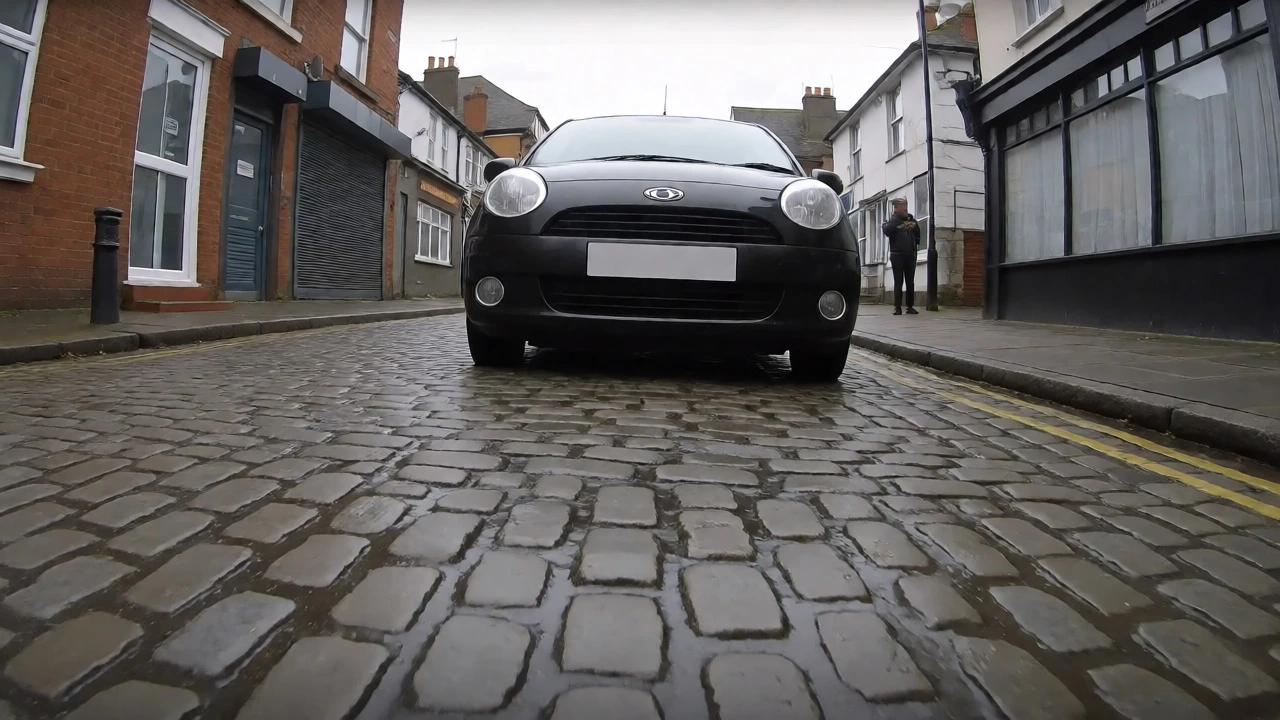
Dealers love highway loops. Why? Because highways are smooth, quiet, and forgiving. A car that drives well at 65 mph might fall apart in city traffic. You need to replicate real-world conditions. Take the car onto bumpy side streets. Go over speed bumps slowly. Feel how the suspension handles impact. Does it thud or bounce excessively? That indicates worn shocks or struts.
Also, try low-speed maneuvers. Park in a tight spot. Use the reverse camera and sensors. How do they feel? Are they intuitive or laggy? Test the brakes in stop-and-go traffic. Do they grab suddenly or fade after repeated use? A car that feels great on the highway but shudders when you brake at 20 mph has warped rotors or caliper issues. Don’t skip this part. Most accidents happen at low speeds, so you need confidence in those situations.
Forgetting Your Own Comfort
This isn’t just about mechanics; it’s about ergonomics. Adjust everything. Seat height, steering wheel tilt, mirror angles. Spend ten minutes getting comfortable. Then drive. After twenty minutes, do you feel back pain? Can you see clearly over the headrests? Is the blind spot manageable? Many buyers regret purchases because they didn’t spend enough time sitting in the car. Bring your usual driving shoes. High heels or heavy boots change how you feel the pedals. If you wear glasses, make sure the heads-up display (if equipped) doesn’t clash with your vision.
Neglecting Technology Tests
Modern cars are computers on wheels. Don’t assume the tech works just because it looks fancy. Pair your phone via Bluetooth. Make a call. Does the audio cut out? Try the navigation system. Input a destination. Is it responsive? Check the infotainment screen for dead pixels. Test every button on the center console. Climate control, seat heaters, sunroof-everything. Repairing these electronic gremlins can be surprisingly expensive and frustrating. If the touchscreen lags, imagine how annoying it will be in two years when the software updates slow it down further.
Skipping the Passenger Seat Swap
Once you’ve driven for fifteen minutes, ask to swap seats with your passenger. Now you are in the back. Sit there. Check legroom and headroom. Look at the materials. Are they scratchy plastic or soft leather? Open and close the doors from the inside. Do they latch securely? Rattle-free? If you plan to carry kids or elderly parents, this step is non-negotiable. A car that feels luxurious in the front can feel cramped and cheap in the rear.
Letting Emotions Override Logic
The biggest mistake is falling in love with the color or the badge. You are not buying a pet; you are buying a tool. Write down pros and cons as you drive. Did the lane assist annoy you? Did the cup holders fit your travel mug? Be ruthless. If something bothers you now, it will bother you every day for the next five years. Don’t let the salesperson rush you. Say, “I need another lap.” They might sigh, but a serious buyer takes their time. If they pressure you to sign quickly, that is a red flag bigger than a check engine light.
Not Checking the Paperwork Before Driving
Before you even put the car in gear, verify what you are driving. For used cars, get the VIN (Vehicle Identification Number). Run a quick history report. Has it been in a flood? Was it a rental? Did it have major accidents? Knowing this changes how you drive. If it was a former police interceptor, expect harder wear. If it was a rental, check mileage accuracy. Never test drive a car without knowing its basic history. It saves you from liking a car that is structurally compromised.
Final Thoughts: The 30-Minute Rule
Aim for at least thirty minutes of driving. Ten minutes is not enough to heat up the transmission or notice fatigue-related issues. Thirty minutes lets you experience different road types, weather conditions, and traffic patterns. Bring a checklist. Print it out. Tick off each item. It keeps you focused and shows the dealer you are serious. Remember, the best test drive is the one where you find reasons to say no. Finding flaws now means saving money later.
How long should a proper test drive last?
A minimum of 30 minutes is recommended. This allows the engine and transmission to reach operating temperature, revealing issues that only appear when hot. It also gives you enough time to test various driving conditions, including city stops, highway speeds, and parking maneuvers.
Should I test drive the car cold or hot?
Ideally, both. Start with a cold start to listen for rattles and check startup performance. Then drive until it reaches normal operating temperature to assess smoothness and power delivery. A cold engine often exposes mechanical wear that a warm engine masks.
Can I bring my own mechanic to the test drive?
Yes, and you should. Having a trusted mechanic inspect the car before or during the test drive provides professional insight. They can spot hidden issues with suspension, brakes, or engine health that an average buyer might miss. Most reputable dealers will allow this.
What if the dealer refuses a longer test drive?
If a dealer resists letting you drive the car for 30 minutes, consider walking away. It may indicate they are hiding issues or are more interested in closing a quick sale than ensuring customer satisfaction. There are plenty of other cars and dealerships available.
Do I need insurance to test drive a car?
Usually, the dealership’s insurance covers test drives, but you must confirm this beforehand. Some private sellers may require proof of your own insurance. Always ask explicitly about liability coverage in case of an accident during the drive.