
Road Condition Stress Calculator
Analysis Results
Configure settings and click calculate to see how difficult this scenario is for your skill level.
Moderate
Recommended: Proceed with caution
Overall Stress Index: 5/10
Top Hazards to Watch:
- Hazard Item Goes Here
Instructor advice goes here.
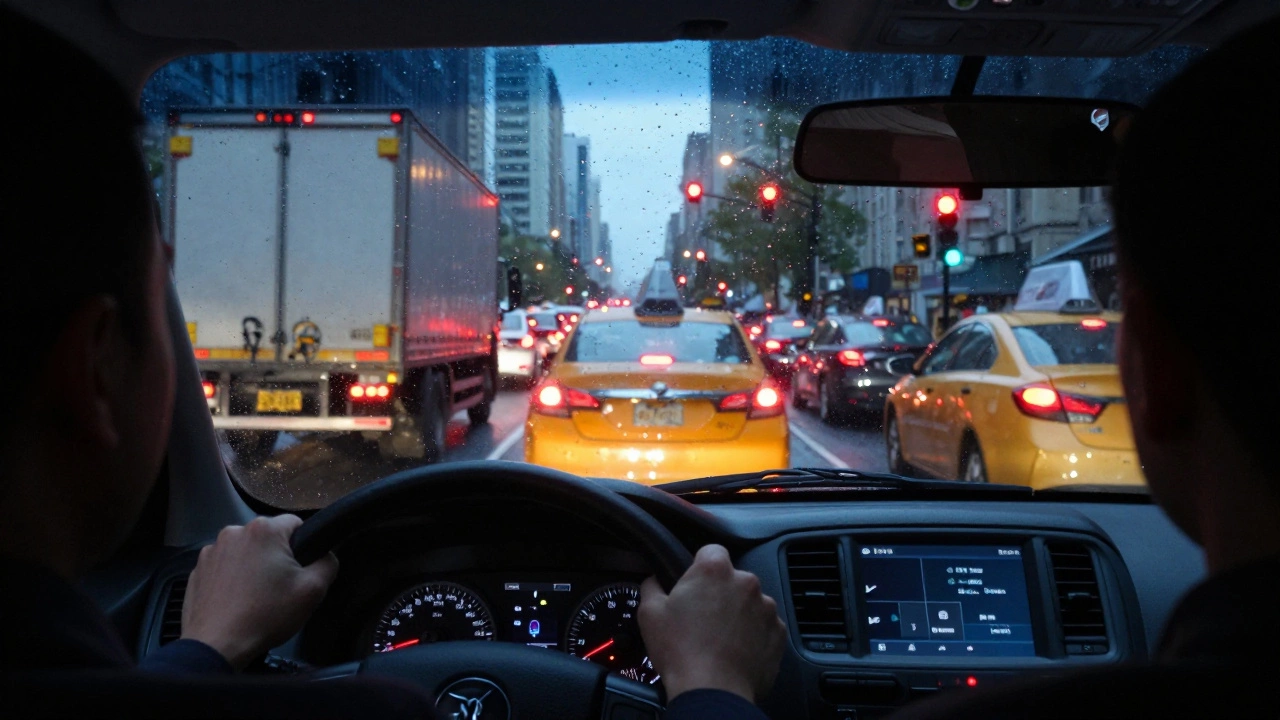
Imagine pulling away from a red light at 5 PM on Friday in Wellington. You are merging into heavy traffic. It starts raining just as you reach the top of Cable Street. Your heart rate spikes. If you are taking an Intensive Driving Course, avoiding these scenarios is your best path to passing.
You might think the hardest time to drive is simply "busy hours." That isn't entirely true. It depends on your skill level, your mental state, and the environment around you. We need to break this down into traffic patterns, weather impacts, and psychological stressors.
Why Morning Rush Hour Creates Danger
Morning peaks typically run from 7:00 AM to 9:00 AM in major cities like Wellington or Auckland. During this window, commuters dominate the roads. Everyone is rushing to work, school, or childcare duties. This creates aggressive behavior among experienced drivers.
For a new driver or someone finishing an Intensive Course, this aggression is intimidating. A gap opens up in traffic, and three cars try to merge through it simultaneously. You hesitate. You get honked at. Your confidence takes a hit before you even start your lesson.
This pressure forces mistakes. Instead of looking ahead, your eyes drop to the pedals. Instead of planning your lane change early, you wait until you are behind the car you want to pass. These reactionary behaviors are exactly what examiners look for when assessing safety awareness.
The Midday Dip and Lunchtime Chaos
Many assume midday is calm. In city centers, it can be just as volatile. Between 12:00 PM and 2:00 PM, business districts shift gears. Delivery trucks clog side streets. Pedestrians wander across crossings. Taxi rank congestion happens near central train stations.
If your route goes through the CBD (Central Business District), expect unexpected stops. A delivery truck blocking two lanes changes your entire navigation strategy. You cannot anticipate the exact location of the obstruction. Adapting to moving obstacles in real-time requires strong hazard perception skills.
Lunchtime also means high pedestrian activity. Office workers spill onto sidewalks. Cyclists weave through parking lots. You must constantly scan mirrors and blind spots. While this is good practice for defensive driving, doing it poorly can lead to a minor accident or an examiner marking you down for observation errors.
Afternoon Peaks and School Runs
The afternoon surge between 3:30 PM and 5:30 PM hits differently than morning traffic. Parents dropping off kids combine with office workers heading home. Schools generate massive bursts of foot traffic near gates.
Children behave unpredictably on roadsides. A ball rolls out; a child chases it. Reaction time becomes critical here. If you brake too late, it's dangerous. If you brake too hard in heavy traffic behind you, you risk rear-end collisions.
In places like the Hutt Valley or Karori, these zones stretch for kilometers. You spend significant minutes in "stop-start" mode. Maintaining vehicle control while repeatedly engaging the clutch (in manual cars) can cause mechanical strain or stalling. Stalling at a busy intersection is stressful enough to fail a learner in some regions.
Weather: The Hidden Multiplier of Difficulty
New Zealand weather does not follow strict seasons. A sunny morning in March can turn into a gale by noon. Wind speed, rain intensity, and visibility affect handling significantly.
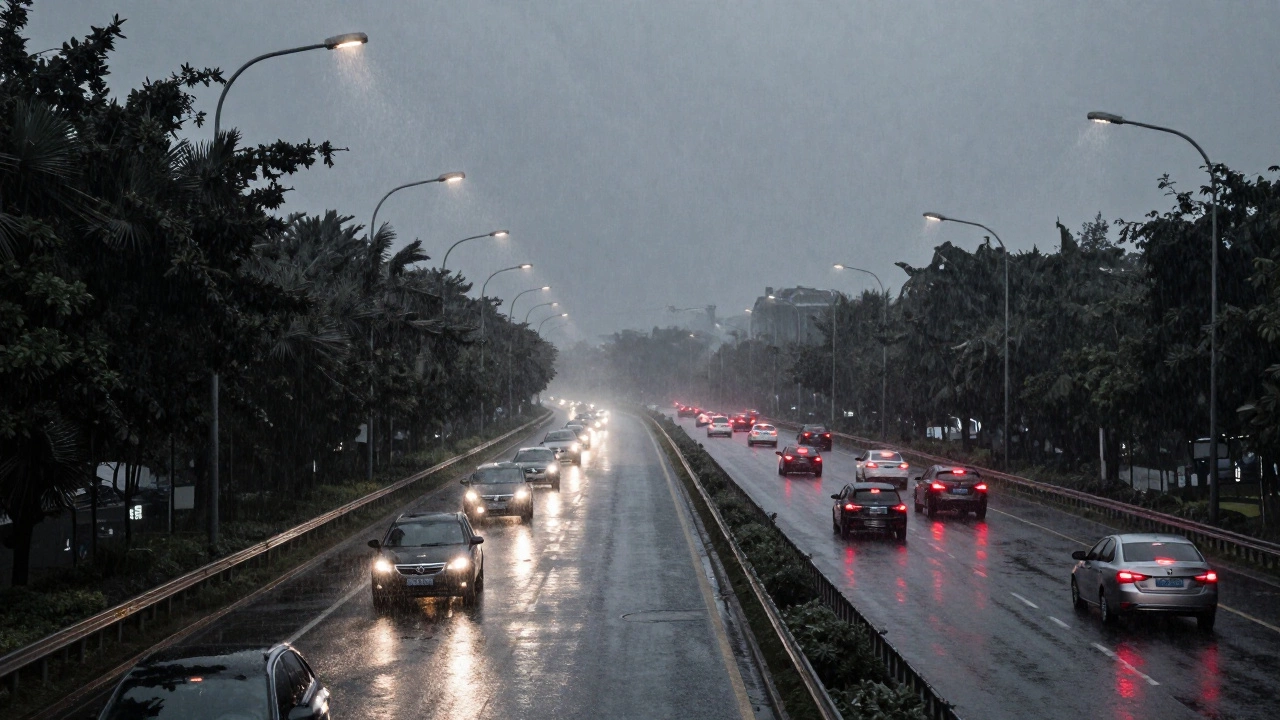
Adverse weather conditions act as a force multiplier on difficulty. Rain reduces tire grip. Headwinds on bridges like the Johnsonville Viaduct push vehicles sideways. Fog obscures depth perception at roundabouts.
- Rain: Wet roads reduce braking distance by up to 30 percent. Sudden puddles hide potholes or debris.
- Fog/Mist: Common in valleys. Low lights might not be enough. You become blind to hazards 50 meters ahead.
- Wind: Gusty winds can sway lighter vehicles during overtaking maneuvers. Trucks create air turbulence that throws cars off track.
When booking an intensive package, ask your instructor about the weather forecast. Do not insist on driving if the sky looks threatening. Reschedule rather than endure high-stress exposure during a lesson block. Learning should focus on technique, not surviving a storm.
Weekend Dynamics vs. Weekdays
Weekends bring different challenges. Less commuter traffic is offset by higher recreational usage. More teenagers on bikes. More tourists unfamiliar with local signs. Construction crews work on Sundays sometimes when weekday access is restricted.
Saturday mornings are popular for shopping trips. Parking lots become dense obstacle courses. Narrow aisles require precise steering inputs. Backing up becomes harder when other shoppers are watching.
Friday nights shift the demographic again. Tired drivers, possible alcohol consumption, and slower reaction times among others on the road. If you are practicing night driving skills, Friday evenings offer the most realistic environment but come with increased risk from impaired drivers.
Strategic Scheduling for Your Driving Test
Understanding these patterns allows you to manipulate your schedule for better results. The goal is to minimize external variables that aren't about your driving ability.
| Time Period | Traffic Volume | Risk Factors | Ideal For |
|---|---|---|---|
| Morning (7-9 AM) | Very High | Aggressive drivers, fatigue | Building confidence in traffic |
| Midday (11 AM-2 PM) | Medium | Pedestrians, deliveries | City center navigation |
| Afternoon (3-5 PM) | High | School runs, merging | Hazard perception practice |
| Evening (After 5 PM) | Moderate | Night vision, glare | Headlight discipline |
Avoid Mondays and Fridays. These days carry residual stress from the start or end of the work week. Tuesday through Thursday offers a more consistent flow.
For the actual Driving Test, aim for mid-morning slots after the initial rush has passed but before lunchtime distractions begin. 10:00 AM is often the sweet spot. Roads are clear enough to show control, yet busy enough to demonstrate hazard awareness.
Psychological Stress and Cognitive Load
Your brain processes information in layers. When you are learning, you count gears. When you are comfortable, you feel the car. During peak times, the noise level rises. Horns blare. Engines roar. This auditory clutter increases cognitive load.
If your mind is focused on ignoring a loud horn, you aren't focusing on checking your mirror. This divided attention causes "tunnel vision." You miss peripheral details. An examiner notices this lack of scanning immediately.
Stress hormones like cortisol degrade motor skills. Fine motor coordination drops. Shifting gears smoothly becomes jerky. Braking distances increase because your foot is stiff on the pedal.
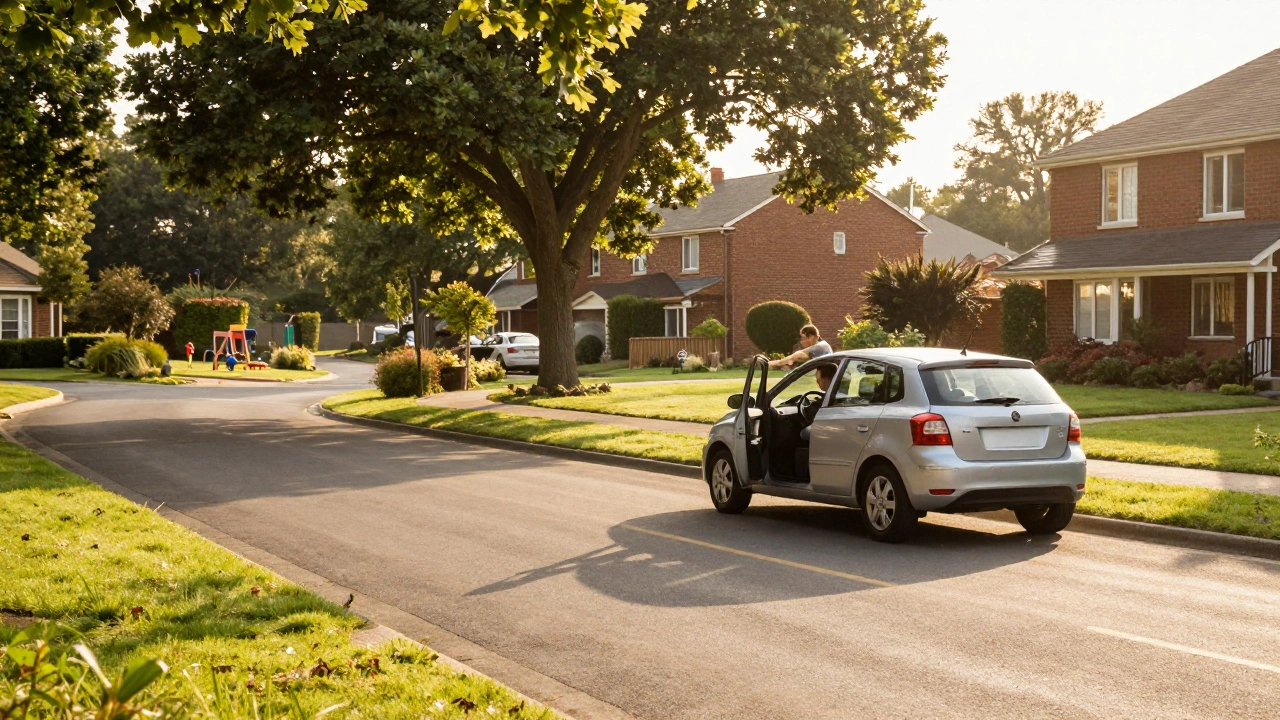
To counteract this, practice in controlled environments first. Use quiet residential areas to master gear changes and observation. Then gradually move toward busier routes. Do not jump straight into the hardest environment. Build a foundation layer by layer.
Wellington Specific Challenges
Living and driving here adds unique factors. Our steep gradients demand careful throttle control. Uphill starts on wet pavement are notorious for slipping. Downhill braking requires engine braking techniques to prevent overheating pads.
Wind farms near our ridges mean sudden crosswinds hitting the bridge approaches. Tunnel entry and exit cause rapid brightness adjustments for eyes. You need sunglasses ready even in cloudy weather.
Local knowledge helps immensely. Knowing where the hidden speed cameras are located prevents panic braking. Knowing which turns have narrow sightlines allows earlier positioning. Local instructors include these nuances in comprehensive driving training programs.
Choosing the Right Vehicle Type
The difficulty also depends on what you are driving. Automatic transmissions remove the fear of stalling, allowing focus on observation. Manual gearboxes add a physical layer of complexity that distracts during high-pressure moments.
If you struggle with timing, automatics provide smoother progressions in stop-start traffic. However, many prefer manuals for long-haul flexibility. Ensure your lessons match the vehicle you intend to license yourself for. Switching transmission types mid-course complicates the learning curve unnecessarily.
Vehicle size matters too. Larger SUVs offer better visibility but worse maneuverability. Small hatchbacks fit easier into tight parking spots but feel unstable in high gusts. Choose a car suitable for the routes you plan to take most often.
Maximizing Progression Through Smart Timing
Use the "easiest" times to learn basics and save the "hard" times for polishing advanced skills. Early morning lessons give you fresh energy and empty roads. This builds muscle memory for clutch control without anxiety.
Once basic mechanics feel natural, book sessions during slightly busier windows. Exposure therapy works best when you feel safe enough to experiment. Pushing boundaries too early leads to shutdown responses.
Listen to your body and the environment. If fatigue sets in, stop. If visibility drops below 50 meters, pull over safely. No lesson is worth risking safety. Professional instructors prioritize student well-being over completing the scheduled clock time.
Is the morning or evening worse for driving tests?
Morning tests face more fatigue but less aggressive traffic compared to evening. Examiners are fresher, but you may be tired. Evenings bring darkness and headlight issues. Many candidates find late morning (9-11 AM) the best balance.
Does rain make learning harder?
Yes, rain reduces traction and visibility. It is recommended to practice in dry conditions first to master vehicle control before attempting wet weather driving lessons.
Can I skip intensive courses if I avoid rush hour?
Avoiding rush hour does not replace structured training. You still need supervision to manage complex hazards. An intensive course condenses the required experience into a manageable timeframe regardless of traffic.
How do I handle school zone stress?
Slow down well before entering the zone. Scan sidewalks for children. Be prepared to stop instantly. Treat school zones as high-priority safety areas where speed is secondary to vigilance.
Which days of the week are best for lessons?
Tuesday, Wednesday, and Thursday offer moderate traffic levels. Monday carries weekend fatigue into the workweek, and Friday focuses attention on the upcoming weekend break. Mid-week is generally optimal for learning.