
Driving Test Comparison Tool
Compare Driving Tests
Select up to 3 countries to see how their driving tests compare on key metrics
Driving Test Comparison Results
| Country | First-Time Pass Rate | Theory Requirements | Practical Duration | Key Challenges | Difficulty Score |
|---|---|---|---|---|---|
| Singapore | 27% | 500 questions, 50 selected, 45/50 correct (90% required) | 45 minutes | Unpredictable routes, zero tolerance for errors (hesitation >3s = fail) | 95/100 |
| Japan | Below 30% | 95 questions, 90/95 correct required | 30 minutes | Precise stopping (within 30cm), 3-second turn signals | 82/100 |
| UK | 47% | Multiple choice, 15 questions (no specific pass rate given) | 40 minutes | 1 minor fault max, emergency stop, reverse parking | 63/100 |
| Norway | <40% | Standard theory requirements | Variable | Simulated snowstorm driving | 78/100 |
| Switzerland | Not specified | Standard theory requirements | Variable | Mandatory night driving with no streetlights | 67/100 |
Ever heard someone say they failed their driving test three times-and mean it? It’s not always bad luck or nerves. Some driving tests are built to be brutally hard. Not because they’re unfair, but because the countries that run them are serious about saving lives. If you’re wondering what the hardest driving test to pass actually is, the answer isn’t just about the number of mistakes you can make. It’s about structure, pressure, environment, and how little room there is for error.
Why Some Driving Tests Are Designed to Be Nearly Impossible
Driving tests aren’t just about checking if you can park or signal. They’re a filter. Countries with the lowest road death rates have the toughest tests. Singapore, for example, has one of the lowest fatality rates per capita in the world. Their driving test doesn’t just test your skills-it tests your discipline, your awareness, and your ability to follow rules without thinking twice.
The UK test is often called strict, but it’s not the hardest. Japan’s test is longer, more detailed, and has a pass rate below 30% for first-time applicants. But the real standout? Singapore.
Singapore: The Driving Test That Breaks Most First-Timers
Singapore’s driving test is split into two parts: the theory and the practical. The theory alone has over 500 possible questions, and the exam pulls 50 at random. You need 45 out of 50 correct to pass. That’s 90%. Most countries ask for 80%.
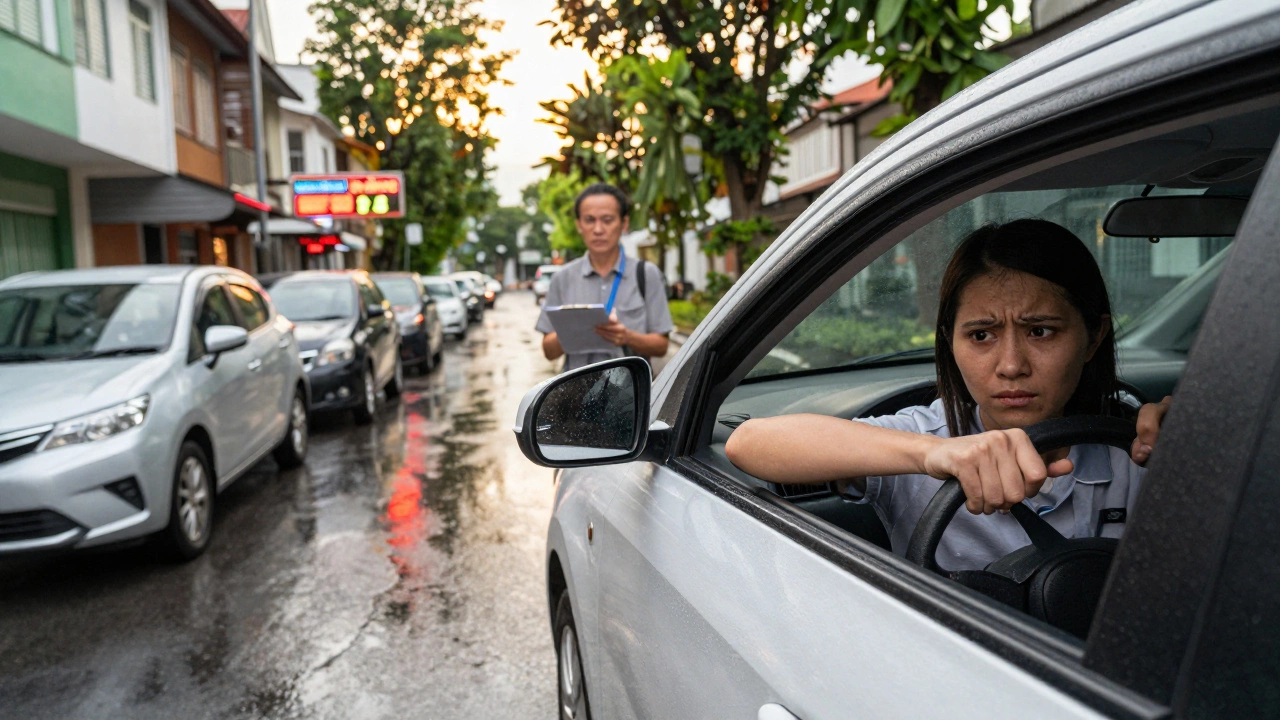
The practical test lasts 45 minutes-longer than anywhere else. You’re tested on everything: parallel parking in tight spots, navigating roundabouts with multiple exits, handling narrow residential streets with parked cars on both sides, and reacting to sudden pedestrian movements. There’s no second chance for a single major fault. One wrong move, and you fail.
What makes it worse? The test route changes every day. Instructors don’t tell you where you’ll be going. You can’t memorize routes. You have to be ready for anything. And the examiners? They’re trained to look for tiny mistakes. A hesitation of more than three seconds at a junction? Fail. Not turning your head enough before changing lanes? Fail. Even using the wrong gear on a slight incline can cost you.
According to Singapore’s Land Transport Authority, the overall pass rate for first-time applicants in 2024 was just 27%. For people over 50, it dropped to 18%. That’s not a typo. More than seven in ten people fail their first attempt.
Japan: Precision Over Power
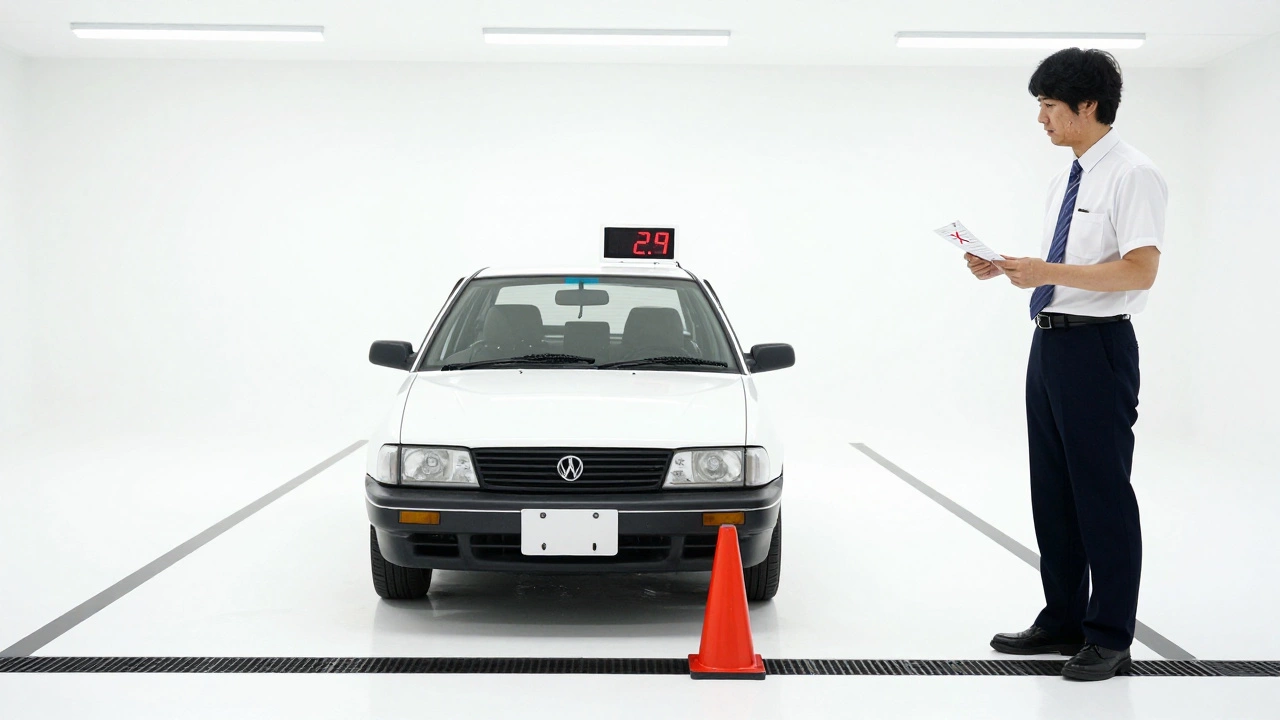
Japan’s test is almost mechanical in its rigidity. The practical exam is 30 minutes long, but you’re expected to perform a set of maneuvers with near-perfect timing. You must stop at exactly the right spot-within 30 centimeters of the line. No more, no less. If your front bumper is 31 centimeters past the line, you fail.
Turn signals? You must activate them at least three seconds before turning. Not two. Not 2.5. Three. And you have to keep them on until you’ve completed the turn. Miss it by half a second? Fail.
There’s also a written test with 95 questions. You need 90 correct. And you can’t retake it for 14 days if you fail. That’s two weeks of waiting, and the fee is around $120 per attempt. Most people don’t realize how expensive failure can be.
The UK: Strict, But Not the Hardest
The UK driving test gets a lot of attention because it’s often called the toughest in Europe. And yes, it’s strict. You can only make one minor fault. Two minor faults? Still okay. Three? You fail. Major faults? One is enough to end your test.
But compared to Singapore or Japan? It’s easier. The UK test lasts about 40 minutes. You get a set route in most areas, and you can practice those routes online. The pass rate hovers around 47% for first-time drivers in 2024. That’s more than double Singapore’s rate.
Still, the UK test is harder than most. You’re expected to perform an emergency stop without warning. You must demonstrate reverse parking into a bay. And you’re tested on your ability to follow directions from a sat-nav-something not required in most countries.
Other Tough Tests You Should Know About
Switzerland’s test includes a mandatory night driving component. You can’t pass unless you drive in low-light conditions with no streetlights. You’re judged on your ability to read road signs, judge distances, and react to animals or cyclists-without headlights blinding you.
South Korea’s test has a psychological evaluation. You sit in front of a screen for 20 minutes answering questions about risk perception. If the system flags you as overly aggressive or distracted, you’re automatically rejected-even if you drive perfectly.
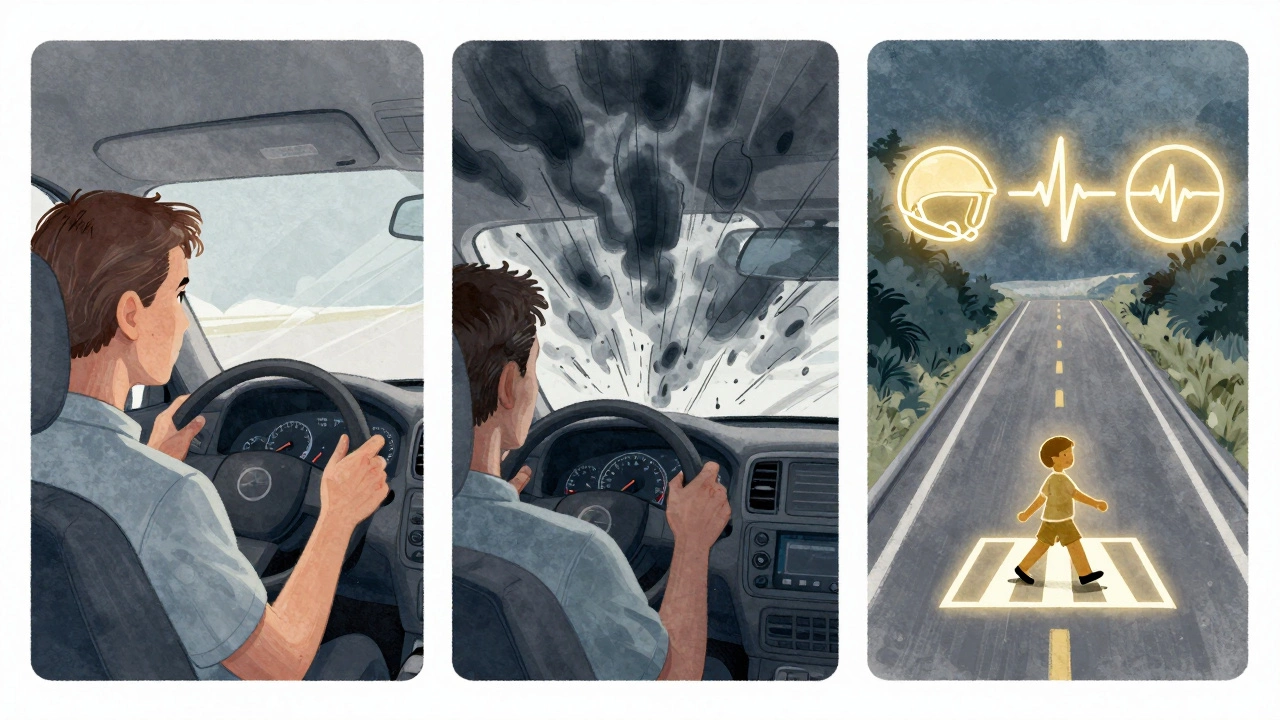
And then there’s Norway. Their test includes a section where you must drive through a simulated snowstorm. You’re given a car with winter tires, but the road is icy. You have to brake without skidding, steer without overcorrecting, and maintain speed without losing control. Fewer than 40% pass on the first try.
What Makes a Driving Test Hard? The Real Factors
It’s not just about the rules. It’s about:
- Pass rates: If less than 30% pass on the first try, it’s in the top tier.
- Zero tolerance for errors: One major fault = fail. No exceptions.
- No route memorization: The test route changes every day.
- Environmental pressure: Rain, snow, night driving, heavy traffic.
- Psychological screening: Some tests assess your mindset, not just your driving.
- Cost of failure: High fees and long waiting periods discourage repeat attempts.
These factors don’t just make the test hard-they make it a true test of readiness.
How to Prepare If You’re Taking a Tough Test
If you’re planning to take a test in Singapore, Japan, or anywhere with a low pass rate, here’s what actually works:
- Practice with a certified instructor who’s passed the test themselves. Don’t just take lessons-find someone who’s been an examiner.
- Drill the basics until they’re automatic. Mirror checks, signal timing, gear changes-do them without thinking.
- Simulate test conditions. Practice at night, in the rain, on narrow roads, with no GPS.
- Study the official handbook cover to cover. In Singapore, the handbook is 150 pages long. People who skim it fail.
- Don’t rush. Wait until you’re ready. The average person in Singapore takes 4-6 attempts. That’s normal.
There’s no shortcut. The hardest driving tests exist because they work. They reduce crashes. They save lives. And if you pass one, you’re not just licensed-you’re prepared.
Final Thought: It’s Not About the Test. It’s About the Road.
The hardest driving test isn’t the one with the most rules. It’s the one that forces you to become a driver who thinks ahead, reacts calmly, and never assumes anyone else will do the right thing. That’s the real skill.
So if you’re preparing for a tough test, don’t think of it as an obstacle. Think of it as the reason you’ll survive the road.
What country has the hardest driving test in the world?
Singapore has the hardest driving test in the world, with a first-time pass rate of just 27% in 2024. The test includes a high-bar theory exam (90% needed to pass), a 45-minute practical session with unpredictable routes, and zero tolerance for even small mistakes like hesitation or improper mirror checks.
Is the UK driving test harder than the US driving test?
Yes, the UK driving test is significantly harder than most US tests. In the UK, you can only make one minor fault and no major faults. In most US states, you can make several minor errors and still pass. The UK also requires an emergency stop, reverse parking, and sat-nav navigation-none of which are standard in most US states.
Why do some people fail their driving test multiple times?
People fail multiple times because they focus on memorizing routes instead of learning to drive safely. The hardest tests, like Singapore’s, change the route every day. You can’t cheat your way through. You need to develop real habits: checking mirrors, anticipating other drivers, and reacting calmly under pressure.
Can you retake the driving test the same day if you fail?
No, you cannot retake the driving test the same day anywhere in the world. Most countries require a waiting period-usually 10 to 14 days. In Japan and Singapore, the waiting period is 14 days, and the fee for each attempt is high, making repeated failures costly.
What’s the easiest driving test to pass?
The easiest driving tests are in countries like Mexico, India, and parts of Africa, where pass rates exceed 80%. These tests often have minimal theory, no emergency stop requirement, and predictable routes. But they also correlate with higher accident rates, which is why countries with tough tests have far fewer road deaths.