
ADHD Drive Reset & Symptom Checker
Are you feeling overwhelmed while driving? Select any symptoms you are experiencing right now to see if you need a reset.
Irritability Spike
Snapping at others or urge to honkTunnel Vision
Hyper-focused, missed mirrorsPhysical Tension
Clenched jaw, tight shouldersMental Fog
Confused about location/turnsRestlessness
Bouncing leg, tapping wheelRacing Heart
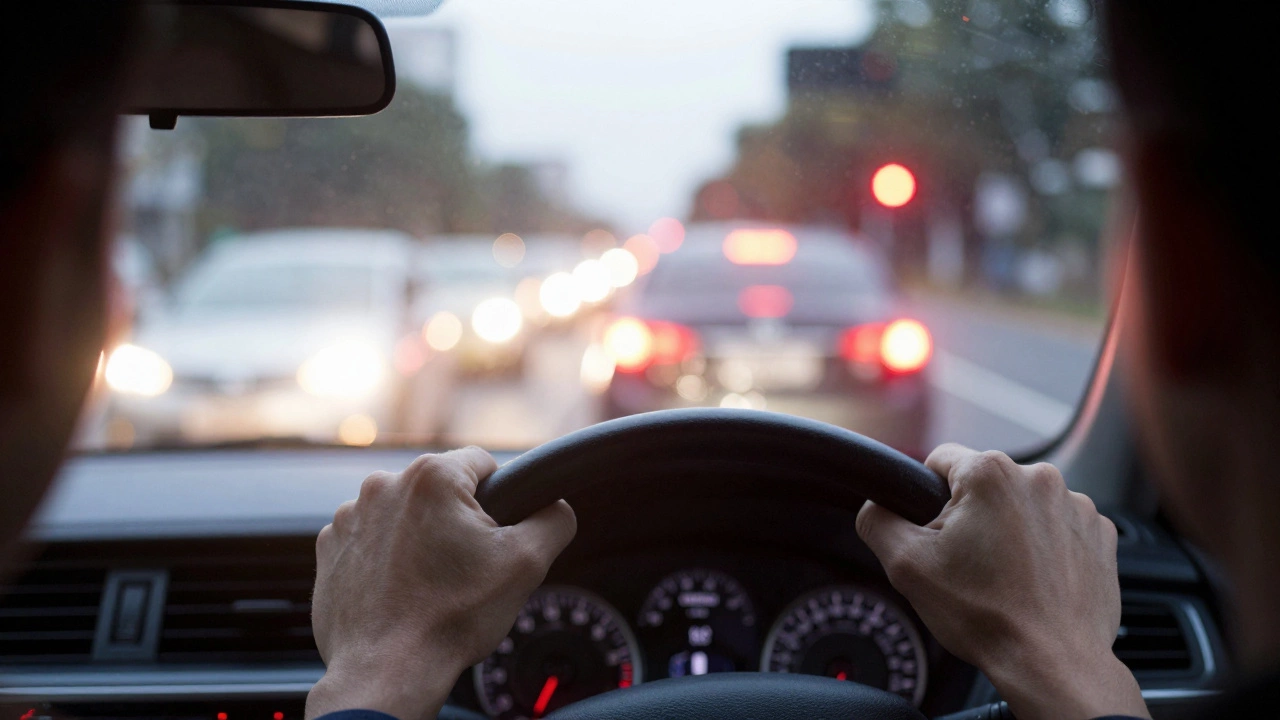
Chest tightness, panic feelingYou’re sitting in your car, waiting at a red light. The engine hums, the radio plays, and suddenly, your chest feels tight. Your mind races with every sound around you-the siren three streets away, the chatter of pedestrians, the blinking dashboard lights. You feel like you need to move, but you can’t. This isn’t just stress; it might be what neurodivergent folks call an ADHD walk, which is a self-regulation technique used by people with Attention Deficit Hyperactivity Disorder to manage sensory overload and emotional dysregulation through physical movement.
For many drivers, especially those with undiagnosed or managed ADHD, the act of driving can trigger intense overstimulation. The combination of visual clutter, auditory noise, and the demand for constant focus creates a perfect storm for anxiety. The "ADHD walk" isn’t a medical term found in textbooks, but it is a widely recognized coping strategy within the neurodivergent community. It involves stepping away from the source of overwhelm-like your parked car-and taking a deliberate, slow walk to reset your nervous system.
The Science Behind Sensory Overload in Driving
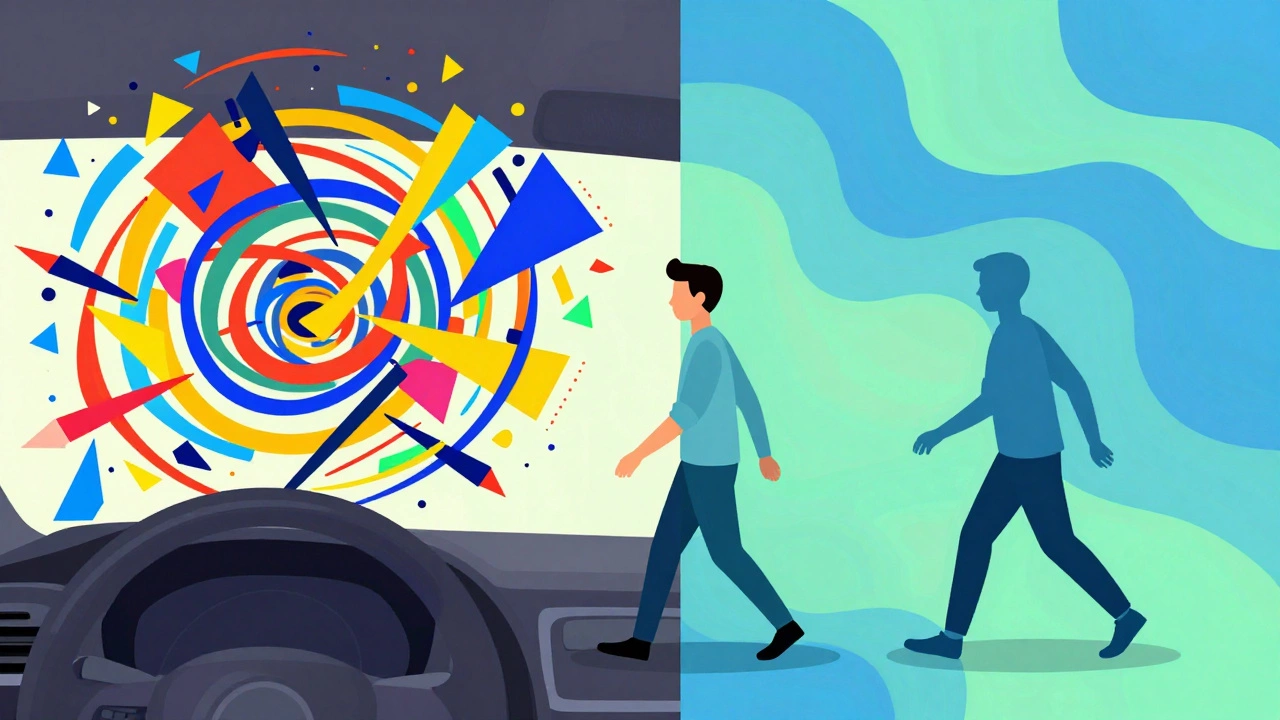
To understand why the ADHD walk works, we first need to look at how the brain processes information while behind the wheel. Driving requires multitasking, which involves simultaneously processing visual, auditory, and kinesthetic inputs while making rapid decisions. For a neurotypical brain, this often becomes automatic. For an ADHD brain, however, the filter that blocks out irrelevant stimuli doesn’t work as efficiently. Every billboard, every conversation on the passenger’s phone, and every change in traffic flow competes for your attention.
This state is known as sensory overload, where the brain receives more information than it can process, leading to fatigue, irritability, and anxiety. When this happens, your body enters a fight-or-flight mode. Your heart rate spikes, your muscles tense, and your ability to make clear decisions drops. In a car, this is dangerous. Instead of pushing through the fog, the ADHD walk offers a physiological reset button.
- Visual Stimuli: Bright headlights, flashing signs, and moving objects.
- Audio Input: Engine noise, road sounds, and music volume.
- Cognitive Load: Navigation, speed management, and hazard prediction.
How the ADHD Walk Resets Your Nervous System
The effectiveness of the ADHD walk lies in its simplicity. By engaging in rhythmic, repetitive motion, you help regulate your autonomic nervous system, which controls involuntary physiological processes like heart rate, breathing, and digestion. Walking helps shift your body from a sympathetic state (stress) to a parasympathetic state (rest and digest). This isn’t just about burning off energy; it’s about grounding yourself in the present moment.
When you step out of your car, you break the confinement of the seatbelt and the steering wheel. You gain verticality and perspective. The act of walking allows your eyes to focus on distant horizons rather than the immediate chaos of the road. This visual rest is crucial. Additionally, the proprioceptive input from walking-feeling your feet hit the ground, the swing of your arms-provides deep pressure stimulation that calms the brain.
| Benefit | Mechanism | Impact on Driving |
|---|---|---|
| Nervous System Regulation | Rhythmic movement reduces cortisol levels | Improved reaction times and calmness |
| Sensory Decompression | Reduction in auditory and visual input | Clearer focus upon returning to the vehicle |
| Emotional Grounding | Proprioceptive feedback from walking | Reduced road rage and impulsivity |
| Cognitive Reset | Break in continuous cognitive load | Better decision-making and hazard perception |
When to Take an ADHD Walk While Driving
Recognizing the signs of overload is half the battle. Many drivers push through until they reach a breaking point, which can lead to accidents or severe burnout. You should consider pulling over for an ADHD walk if you notice specific symptoms. These aren’t just vague feelings; they are concrete signals that your brain is struggling to cope.
- Irritability Spike: You find yourself snapping at other drivers or feeling an intense urge to honk unnecessarily.
- Tunnel Vision: You realize you haven’t checked your mirrors in two minutes because you’re hyper-focused on one spot.
- Physical Tension: Your jaw is clenched, your shoulders are up by your ears, or your hands are gripping the wheel too tightly.
- Mental Fog: You feel confused about where you are or forget why you turned onto a certain street.
- Restlessness: You feel a physical urge to bounce your leg or tap the steering wheel uncontrollably.
If any of these occur, don’t wait. Find a safe parking spot-a rest area, a quiet side street, or a large supermarket lot. The goal is to remove yourself from the driving environment completely for 5 to 10 minutes.

Practical Steps for an Effective ADHD Walk
An ADHD walk isn’t just wandering aimlessly. To get the maximum benefit, structure your walk intentionally. Here is a simple protocol you can follow whenever you need a reset.
- Park Safely: Ensure your car is fully stopped and in park. Turn off the engine to eliminate vibration and noise.
- Step Out Slowly: Don’t rush. Take a deep breath before opening the door. Feel the air on your skin.
- Engage Your Senses: Look for five things you can see, four you can touch, three you can hear, two you can smell, and one you can taste. This grounding technique anchors you in reality.
- Walk Rhythmically: Focus on the cadence of your steps. Left, right, left, right. Match your breathing to your steps.
- Avoid Screens: Do not check your phone. The blue light and notifications will add more cognitive load, defeating the purpose.
- Return Mindfully: Before getting back in the car, take one final deep breath. Remind yourself that you are calm and ready.
ADHD-Friendly Driving Strategies Beyond the Walk
While the ADHD walk is a powerful tool, it’s part of a broader toolkit for managing ADHD while driving. Other strategies can help prevent overload from happening in the first place.
Consider using noise-canceling headphones that allow ambient sound awareness while blocking distracting frequencies. Many modern cars have features that let you control exactly what audio comes through, allowing you to mute outside noise without losing safety awareness. Playing calming music or white noise can also create a predictable auditory environment.
Another key strategy is route planning, which involves preparing your journey in advance to reduce decision fatigue during the drive. Use GPS navigation to avoid unfamiliar areas during peak traffic hours. Knowing exactly where you’re going reduces the mental effort required to process new information on the road.
Legal and Safety Considerations
In New Zealand and many other jurisdictions, there is no legal requirement to take breaks during short drives unless you are operating a commercial vehicle. However, safety guidelines strongly recommend resting every two hours. For someone with ADHD, this recommendation should be taken even more seriously. If you feel overwhelmed, pulling over is not a sign of weakness; it is a responsible safety measure.
Be mindful of local laws regarding stopping. Always pull over completely off the roadway. Never stop on the shoulder of a high-speed highway unless it is an emergency. Rest areas and designated lay-bys are the safest places to conduct your ADHD walk.
Building a Sustainable Driving Routine
Integrating the ADHD walk into your routine requires practice. At first, you might feel embarrassed or worried about wasting time. Remember that the few minutes you spend walking can save you from hours of post-drive exhaustion or potential accidents. Make it a habit to check in with yourself regularly.
Start by identifying your triggers. Does heavy traffic cause more overload than long distances? Are morning commutes harder than evening ones? Understanding your personal patterns allows you to plan ahead. If you know you’ll be facing a stressful drive, schedule extra time for a mid-journey walk.
Is the ADHD walk a medically recognized treatment?
No, the ADHD walk is not a formal medical diagnosis or prescribed treatment. It is a self-help strategy developed by the neurodivergent community to manage symptoms of sensory overload and executive dysfunction. However, the principles behind it-such as exercise for mood regulation-are supported by psychological research.
How long should an ADHD walk last?
Most people find that 5 to 10 minutes is sufficient to reset their nervous system. Some may need longer, up to 20 minutes, depending on the severity of their overload. Listen to your body; stay out until you feel calm and grounded.
Can I do an ADHD walk inside my car?
While you can try breathing exercises inside the car, the full benefits of an ADHD walk come from changing your physical environment. Leaving the car removes the visual and auditory constraints of the driving space, providing a more effective sensory break.
Does this apply only to people with diagnosed ADHD?
Not necessarily. Anyone experiencing sensory overload, anxiety, or burnout can benefit from taking a structured walk to reset their nervous system. The techniques are universal for stress management, even if the term "ADHD walk" originates from the ADHD community.
Are there risks associated with stopping frequently?
The primary risk is choosing an unsafe location to stop. Always ensure you are in a designated parking area or rest stop. Avoid stopping on active roadways or narrow shoulders. As long as you prioritize safety, the benefits far outweigh the minor inconvenience of added travel time.