
Intensive Driving Course Suitability Calculator
Answer the questions below to determine if the high-frequency 'intensive use' method aligns with your current situation and goals.
Analysis Result
Key Factors
Estimated Timeline
Traditional Path:
Intensive Path:
*Based on average NZTA guidelines and typical learning curves.*
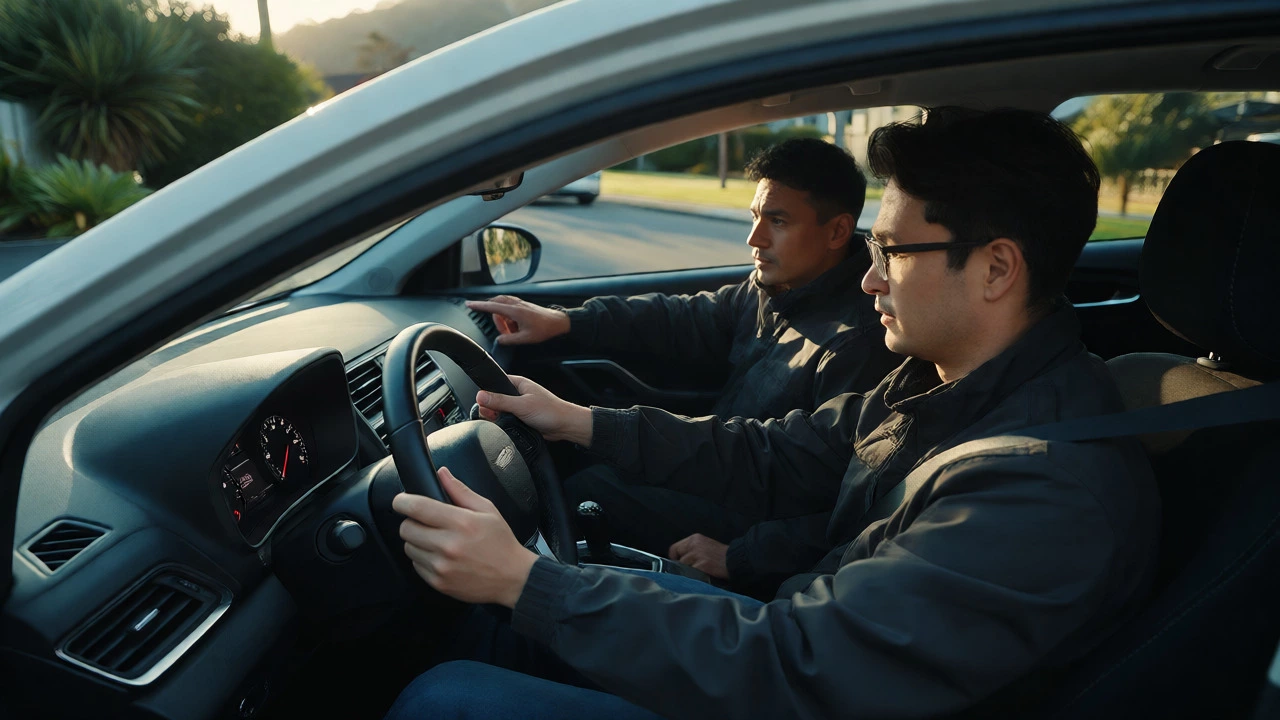
You’ve probably heard the term intensive use thrown around when people talk about getting their driver’s licence quickly. But what does it actually mean? It isn’t just a buzzword for "driving fast." In the context of driver education, particularly with an Intensive Driving Course, a method of learning to drive where lessons are compressed into a short period, often days or weeks rather than months, intensive use refers to the high-frequency application of skills and knowledge required to pass a test rapidly.
Think of it like cramming for a university exam versus studying over a whole semester. One relies on immersion and repetition; the other spreads information out. If you’re in Wellington or anywhere else in New Zealand trying to get licensed before a holiday or a new job starts, understanding this concept is your first step to saving time and money.
The Core Definition of Intensive Use
At its heart, intensive use means maximizing the density of learning within a specific timeframe. Instead of one hour of practice every week, you might do four hours a day for five days straight. This approach leverages the brain’s ability to retain procedural memory-like steering, gear changes, and hazard perception-through immediate repetition.
Why does this work? When you space out lessons too far apart, you spend half of each session relearning what you forgot from last week. That’s inefficient. With intensive use, the gap between practice sessions shrinks to near zero. You make a mistake in the morning, correct it by lunch, and master it by evening. This rapid feedback loop accelerates competence.
It’s not just about hours behind the wheel, though. It involves mental focus. An intensive learner must treat driving as their primary job for that week. Distractions drop away. The goal is fluency, not just familiarity.
How It Differs From Traditional Learning
To really grasp intensive use, compare it side-by-side with traditional weekly lessons. The differences aren’t just in schedule; they’re in psychology and skill acquisition.
| Feature | Traditional Weekly Lessons | Intensive Driving Course |
|---|---|---|
| Timeframe | 3-6 months | 1-2 weeks |
| Frequency | 1-2 hours per week | 4-8 hours per day |
| Skill Retention | Lower due to forgetting curves | Higher due to constant reinforcement |
| Mental Load | Low daily stress, long-term commitment | High daily intensity, short-term sprint |
| Best For | Learners with tight schedules or anxiety | Learners needing speed or already competent |
See the pattern? Traditional learning is a marathon. Intensive use is a sprint. Neither is inherently better; it depends on your life circumstances. If you have a rigid work schedule, fitting in two hours every Tuesday might be easier than clearing a whole week. But if you want your licence next month, the marathon won’t cut it.
Who Should Consider Intensive Use?
Not everyone thrives under pressure. Intensive use demands a certain level of readiness. Here’s who tends to succeed:
- The Time-Crunched Professional: You need a licence for a job start date in ten days. You can take leave from work and dedicate full days to driving.
- The Confident Beginner: You’ve had some prior experience (maybe practicing with family) and just need polish. You learn fast and don’t panic easily.
- The Test-Date Booked Learner: You already have a Warrant of Fitness (WoF) compliant car and a test slot booked. You need to bridge the gap between now and then efficiently.
Conversely, if you suffer from severe driving anxiety, throwing yourself into eight hours of traffic on day one might backfire. Anxiety can freeze muscle memory. In those cases, a slower pace allows confidence to build gradually. Be honest with yourself. Are you ready to focus exclusively on driving for a week? If the answer is no, intensive use might lead to burnout rather than success.

The Role of the Instructor in Intensive Use
In a standard lesson, the instructor teaches, you practice, and you go home. In an intensive course, the instructor becomes more like a coach during training camp. They monitor your fatigue levels, adjust the difficulty of routes based on your energy, and provide continuous feedback.
A good instructor knows when to push and when to pull back. If you’re struggling with roundabouts on Tuesday morning, they won’t force motorway driving on Tuesday afternoon. They’ll drill roundabouts until they feel automatic. This adaptability is crucial. Without it, intensive use just becomes exhausting repetition without progress.
Look for instructors who specialize in intensive courses. They understand the pacing. Regular instructors might stick to a curriculum that assumes you have all week to digest each concept. Specialist instructors know how to compress that digestion time.
Common Pitfalls of High-Frequency Learning
While efficient, intensive use has traps. The biggest one is fatigue. Driving requires intense concentration. After four hours, most people’s reaction times slow down. Pushing through a sixth hour when you’re mentally drained leads to bad habits. You might stop checking mirrors because it feels too effortful. Those habits stick.
Another pitfall is skipping theory. Some learners rush through the practicals but neglect the Driving Theory Test. Remember, passing the practical test doesn’t matter if you fail the theory exam. Intensive courses often bundle theory study into breaks, but you still need to do the reading. Don’t assume the practicals will teach you the road rules automatically.
Finally, beware of the "false peak." By day three of an intensive course, you might feel invincible. Everything clicks. Then, on day five, a complex intersection throws you off, and panic sets in. This dip is normal. Trust the process. Your brain is consolidating information. Keep going.
Preparing for Your Intensive Week
If you decide to go down this route, preparation makes or breaks the experience. You can’t walk in cold and expect results.
- Clear Your Schedule: Block out the entire week. No social events, no overtime at work. Treat it like a full-time job.
- Gather Materials: Have your NZTA handbook, app access, and any notes ready. Spend your evenings reviewing theory so you don’t waste daylight hours on book learning.
- Check Your Vehicle: If using your own car, ensure it’s WoF compliant and insured for instruction. A breakdown mid-course kills momentum instantly.
- Plan Logistics: Arrange childcare, pet care, or meals beforehand. Minimizing daily decision-making preserves mental energy for driving.
This logistical prep reduces friction. The less you worry about non-driving tasks, the more cognitive bandwidth you have for learning.

Is It Worth the Cost?
Intensive courses often cost more upfront than paying for individual hourly lessons. However, calculate the total cost. Traditional lessons stretch over months, meaning more administrative fees, potential price hikes, and the hidden cost of your time spent commuting to lessons repeatedly. Plus, if you forget skills between lessons, you pay for re-learning.
Many learners find that while the sticker price is higher, the value per hour of effective learning is greater. You finish faster, which means you save on insurance premiums sooner and gain mobility earlier. Do the math for your situation.
Frequently Asked Questions
Can I do an intensive course if I have never driven before?
Yes, but it’s challenging. Complete beginners usually need more time to build basic coordination. Most instructors recommend at least 5-10 hours of basic practice before starting an intensive block to avoid overwhelming frustration.
How many hours per day is typical for intensive use?
Most intensive courses range from 4 to 8 hours per day. Anything beyond 8 hours tends to yield diminishing returns due to mental fatigue. Quality of focus matters more than sheer quantity.
Do I need my own car for an intensive course?
No. Most driving schools provide dual-control vehicles. Using their car ensures it meets safety standards and allows the instructor to intervene safely. If you use your own car, it must be fully insured for learner drivers and have valid registration and WoF.
What happens if I fail my test after an intensive course?
Don’t panic. Failure rates exist for everyone. Many schools offer top-up lessons or a free second attempt package. Analyze the feedback from the examiner. Often, failure is due to minor errors that can be fixed with a few extra hours of targeted practice.
Is intensive use suitable for older learners?
Absolutely. Age isn’t a barrier, but stamina might be. Older learners may prefer shorter intensive blocks (e.g., 3 hours a day over 10 days) rather than 8-hour days. Listen to your body and communicate with your instructor.
Final Thoughts on Making the Leap
Intensive use isn’t magic. It’s a tool. It works because it aligns with how humans learn physical skills best: through consistent, focused repetition. If you can clear your schedule, manage your stress, and commit to the process, it’s the fastest way to get on the road.
Start small. Try a single long weekend session before committing to a full week. See how your brain handles the load. If you come out feeling energized and skilled, you’re ready for the full sprint. Good luck!