
Intensive Driving Course Planner
Select your current driving profile to see a tailored estimate of the hours, days, and costs associated with becoming test-ready.
Complete Beginner
Never driven or very little experience.
Stalled Learner
Some experience but progress has stopped.
Near-Ready
Failed recent test or close to passing.
Your Intensive Course Estimate
Most people assume that intensive driving simply means cramming lessons into a short period. While speed is part of it, the definition goes deeper. An intensive course is a structured program designed to take a complete beginner or a stalled learner from zero to test-ready in a compressed timeframe, usually between one and two weeks. It is not just about doing more hours; it is about doing them with higher focus, specific curriculum pacing, and immediate feedback loops.
If you are considering this route, you need to understand exactly what qualifies as "intensive" versus a standard accelerated lesson package. The difference lies in the structure, the instructor's methodology, and the regulatory requirements set by the DVSA (Driver and Vehicle Standards Agency) in the UK. Let’s break down what actually makes a course intensive, how many hours are required, and who this method is really for.
The Core Definition: Structure Over Speed
A standard driving lesson might be 60 minutes once a week. An intensive course compresses this into blocks of 3-5 hours per day. However, simply booking five consecutive days of lessons does not automatically make it an "intensive course." True intensive training follows a rigid pedagogical structure.
- Curriculum Compression: The syllabus is divided into daily modules rather than weekly topics. Day one covers vehicle controls and basic maneuvers. Day three focuses on hazard perception and junctions. Day five is dedicated to mock tests and confidence building.
- High Contact Hours: You are not just sitting in a car; you are actively practicing. Instructors use this time to drill specific skills until they become muscle memory.
- Immediate Assessment: Unlike long-term lessons where progress is measured over months, intensive courses assess your readiness daily. If you fail a specific maneuver on Tuesday, you practice it again on Wednesday morning before moving on.
This structure requires a different type of instructor. They must be able to teach at a faster pace without sacrificing safety. This is why many intensive schools employ full-time professional instructors who specialize in rapid skill acquisition, rather than part-time tutors who may have other jobs.
How Many Hours Does It Take?
The most common question is: "How many hours do I need?" The answer varies based on your starting point, but there are industry benchmarks set by the DVSA and major driving schools like AA or RAC.
| Learner Profile | Recommended Hours | Duration | Focus Area |
|---|---|---|---|
| Complete Beginner | 25 - 40 hours | 1 Week (Mon-Fri) | Vehicle control, road rules, test route |
| Some Experience (Stalled) | 15 - 25 hours | 4-5 Days | Confidence building, weak spots, mock tests |
| Near-Ready (Failed Test) | 8 - 15 hours | 3-4 Days | Specific fault correction, test simulation |
Notice that even for a complete beginner, 25 hours is the minimum threshold often cited by insurers and instructors. Going below this number significantly increases the risk of failing the practical test due to lack of muscle memory in complex maneuvers like parallel parking or reversing around a corner.
Who Is Intensive Training Actually For?
Not everyone should choose an intensive course. It is a high-pressure environment that suits specific profiles. Here is who typically succeeds with this method:
- University Students: Those with a fixed schedule who need a license before a job starts or a move abroad. The summer break provides the necessary contiguous free time.
- Immigrants and New Residents: People who arrived recently and need a local license quickly for employment purposes. The compressed timeline aligns with visa or work start dates.
- Stalled Learners: Individuals who have been learning slowly for years but feel stuck. The change in pace and environment can break mental blocks. The intensity forces focus, removing the distraction of daily life interruptions.
- Those with Previous Failures: If you failed your last test due to nerves or specific technical errors, a short intensive block allows you to fix those issues in a concentrated burst before rebooking.
On the other hand, if you have severe anxiety behind the wheel, a slow-paced approach might be better. Intensive training leaves little room for gradual desensitization. It works best when you are mentally prepared to absorb information quickly.
The Role of Mock Tests and Theory Preparation
An intensive practical course is useless if you haven’t passed your theory test. Most reputable intensive packages include or recommend a concurrent theory preparation phase. This involves online question banks and hazard perception clips.
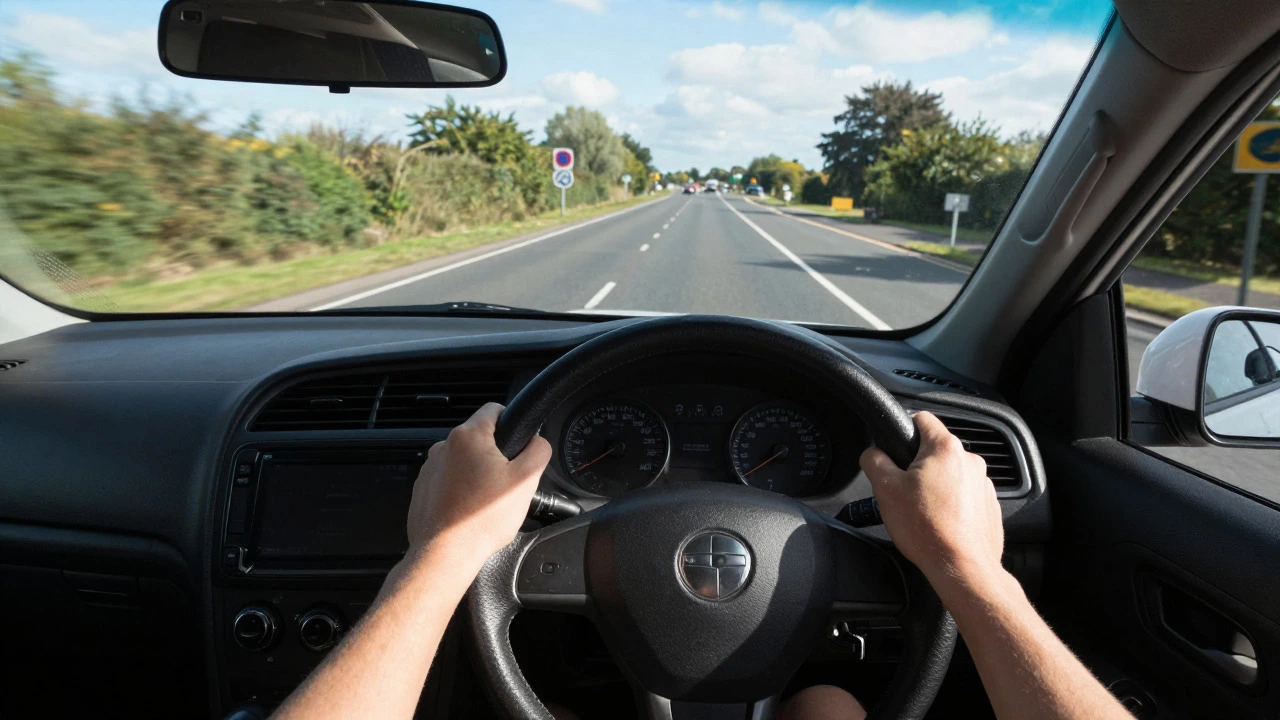
During the final two days of an intensive course, the primary activity becomes the mock test. Your instructor will drive you along the exact test routes used by examiners in your area. They will conduct a pre-trip check, ask you to "show me/tell me" questions, and simulate the examiner’s demeanor. This reduces the shock factor of the real exam. Studies from the DVSA suggest that candidates who complete at least two full mock tests within a week of their actual exam have a higher pass rate because the process feels familiar rather than foreign.
Costs and Value Proposition
Intensive courses cost more upfront than individual lessons. A standard lesson might cost £30-£40 per hour. An intensive course for 30 hours might cost £900-£1,200. On the surface, this looks expensive. However, when you factor in the total time to obtain a license, the value shifts.
If you learn slowly over six months, you pay for 60+ hours of lessons plus the opportunity cost of waiting. With an intensive course, you get licensed in ten days. For working adults, saving four to five months of commuting without a car or relying on public transport can offset the higher course fee. Additionally, many intensive schools offer a "pass first time" guarantee or discounted retest fees if you fail, which adds financial security.

Common Pitfalls to Avoid
Before you book, watch out for these red flags:
- No Pre-Assessment: A good school will ask about your experience level. If they just say "come in Monday," they may not tailor the plan to your needs.
- Shared Vehicles: Ensure you train in the same car you will be tested in, or at least a very similar model. Switching cars mid-course can disrupt your muscle memory regarding pedal sensitivity and seat adjustment.
- Instructor Availability: Confirm that the same instructor will be teaching you all week. Consistency is key to building trust and understanding your specific weaknesses.
Frequently Asked Questions
Is an intensive driving course harder than regular lessons?
It is more demanding physically and mentally because of the volume of hours per day. However, the concepts taught are identical. The difficulty comes from retaining information quickly. If you stay hydrated, rest well, and follow the instructor’s cues, it is manageable. Many students find it less stressful than dragging lessons out over months because there is no uncertainty about when they will finish.
Do I need to pass my theory test before starting an intensive course?
Ideally, yes. While some schools allow you to start practical lessons before passing theory, it is inefficient. You cannot book your practical test until you have your theory certificate. Starting practical lessons early helps, but you must ensure you have enough time to pass the theory test during the intensive block so you can book the practical immediately after finishing the course.
What happens if I fail my test after an intensive course?
Most intensive providers offer a retest discount or a few free top-up lessons. Since you have already built the core skills, the retest preparation is much shorter. You likely only need 2-3 hours to refresh your memory and address the specific faults noted by the examiner. This is significantly cheaper than starting from scratch.
Can I do an intensive course in an automatic car?
Yes. Automatic intensive courses are becoming increasingly popular. The process is identical, but you focus on steering, braking, and observation rather than clutch control. This often leads to slightly faster progress for beginners because there is one less mechanical element to manage. Just ensure you book your test in an automatic vehicle to match your training.
How many days a week are lessons scheduled?
Standard intensive courses run Monday through Friday. Some schools offer weekend options, but weekday scheduling is preferred because it mimics the traffic patterns and times of day you will encounter in your actual test. Lessons usually start at 8 AM or 9 AM and end by 4 PM or 5 PM, with breaks for lunch and rest.