
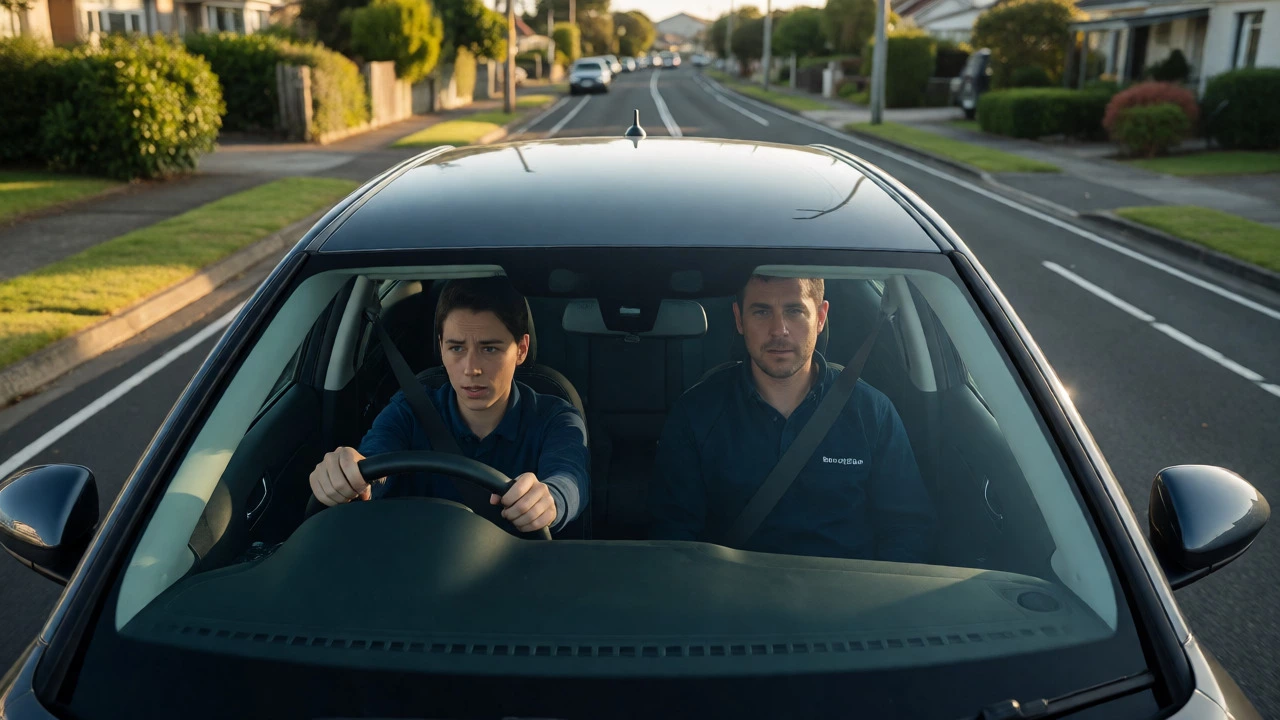
Intensive Driving Course Estimator
Not sure how many hours you need? Use this tool to estimate your requirements based on current experience and vehicle preference.
Your Estimated Course Plan
Recommendation:
You’ve got a job offer that starts in two weeks. Or maybe you’re trying to get back on the road after a five-year break, and the idea of weekly lessons feels like dragging yourself through molasses. You want your intensive driving course a compressed training program designed to take a learner from zero to test-ready in days or weeks rather than months. But what actually happens inside those few days? Is it just cramming eight hours into one day until your brain melts? The short answer is no. When done right, it’s a structured sprint that leverages muscle memory and momentum.
Most people assume traditional driving lessons are the only way. They imagine sitting in traffic for 45 minutes once a week, forgetting half of what they learned by next Tuesday. That gap between lessons is where skills rust. An intensive course closes that gap. It keeps you in "learning mode" every single day. This article breaks down exactly how these courses work, who they’re for, and how to pick one that won’t leave you stranded at the test center.
The Anatomy of a Crash Course
Think of an intensive driving course also known as a crash course or fast-track program, which condenses standard lesson hours into a shorter timeframe not as magic, but as density. In New Zealand, the Land Transport Authority (Waka Kotahi) requires a certain number of supervised hours before you can sit the practical test. Usually, this takes three to six months spread out over weekly sessions. An intensive course compresses this into a block of time-often ranging from three days to four weeks.
The structure usually follows a steep learning curve. Day one might cover vehicle controls and quiet residential streets. By day three, you’re handling roundabouts and highway merging. By the final day, you’re doing mock tests under pressure. The key difference isn’t just speed; it’s continuity. Your instructor adjusts the curriculum daily based on your immediate performance. If you struggle with parallel parking on Monday, you don’t wait until next month to fix it. You drill it on Tuesday until it clicks.
| Feature | Traditional Weekly Lessons | Intensive Driving Course |
|---|---|---|
| Duration | 3-6 months | 1-4 weeks |
| Lesson Frequency | Once per week | Daily or multiple times per week |
| Skill Retention | Risk of forgetting between sessions | High retention due to daily practice |
| Cost Structure | Pay-per-lesson (flexible) | Package deal (often discounted) |
| Mental Load | Low stress, slow pace | High focus, potential fatigue |
Who Actually Benefits From Going Fast?
Not everyone should rush. If you have severe anxiety about driving, throwing yourself into eight-hour days might be counterproductive. However, specific groups see massive advantages. Students on semester breaks are prime candidates. You have three months off, no work commitments, and a deadline to hit before classes resume. Using that time efficiently saves money and gets you licensed while your peers are still waiting for their first lesson.
Then there are career changers. If you need a license for a new job starting soon, the financial cost of missing that start date outweighs the discomfort of long driving days. Also consider expats or new residents. If you’re moving to Wellington and need to navigate the city’s notorious hills and one-way streets quickly, an intensive course helps you adapt to local conditions faster than sporadic lessons would.
How Many Hours Do You Really Need?
This is the million-dollar question. There is no legal minimum for professional instruction hours in New Zealand, but statistics suggest the average learner needs between 30 and 45 hours of professional tuition plus private practice. For an intensive course, schools often package 20 to 40 hours of instruction over a short period.
Here’s the reality check: if you are a total beginner, a three-day course is likely too short. You’ll spend the first day just getting comfortable with the clutch and gears (if manual). A realistic timeline for a novice is two weeks of daily 4-hour sessions. If you already have some experience or hold a license from another country, you might pass with just 10-15 hours of targeted coaching. Always ask the school for a pre-assessment. A good instructor will watch you drive for 30 minutes and tell you honestly whether you need 20 hours or 40. Don’t let them sell you a 10-hour package if you clearly need more.
The Hidden Costs and Logistics
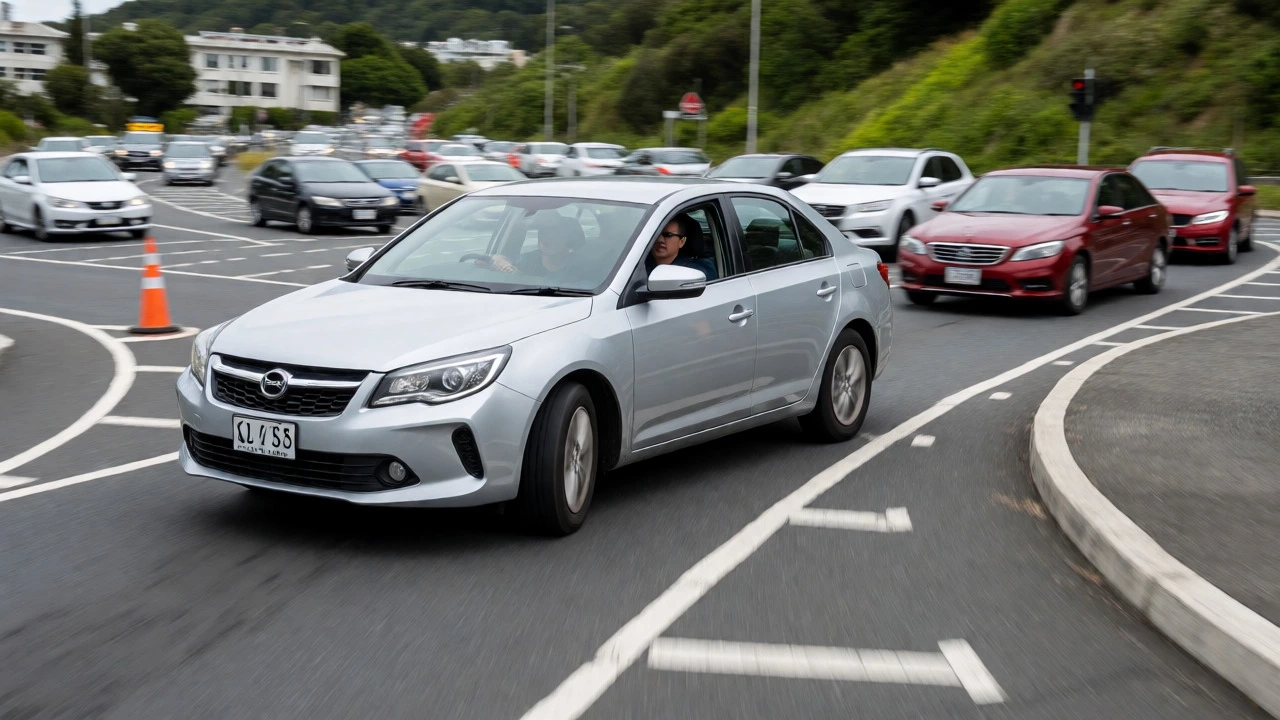
Price tags on websites often show the hourly rate, but intensive courses are sold in blocks. Make sure you understand what’s included. Does the price cover the test booking fee? What about the rental car for the actual test day? Some schools charge extra for using their vehicle during the exam. In Wellington, finding a test slot can sometimes take weeks even if you’re ready. Book your test as soon as you start the course, not when you finish. Otherwise, you’ll finish your lessons, lose your momentum, and then wait a month for the exam.
Another logistical hurdle is insurance. If you plan to practice privately between intensive sessions, ensure your supervising driver’s policy covers learner drivers. Most do, but it’s worth checking. Also, consider your physical stamina. Sitting in a car for four hours straight is exhausting. Bring water, snacks, and comfortable shoes. Your feet will thank you.
Choosing the Right Instructor
Speed doesn’t mean cutting corners. You need an instructor who specializes in intensive training. Not all driving teachers are good at it. Some prefer the relaxed, conversational style of weekly lessons. Intensive instructors need to be adaptable, able to switch gears instantly when you make a mistake, and capable of keeping energy levels high without burning you out.
Look for reviews specifically mentioning "crash course" or "fast track." Check if the school offers a free assessment lesson. Use this to gauge their teaching style. Do they explain things clearly? Are they patient when you stall the car? Since you’ll be spending dozens of hours together, personality fit matters. If you dread seeing your instructor, you won’t learn well, regardless of how fast the course moves.
Preparing for the Test Day
The end goal is passing the practical driving test. Intensive courses simulate this heavily. Expect mock tests in the last few days. These aren’t just casual drives; they follow the exact route patterns and criteria used by NZTA assessors. Common pitfalls include failing to check blind spots properly, poor observation at intersections, and inaccurate parking maneuvers.
Use the final day of your course to drive the specific routes near your local test center. In Wellington, this might mean practicing around the Terrace Tunnel or the windy roads up to Kelburn. Familiarity reduces anxiety. On test day, arrive early. Bring your ID and any required documents. Remember, the assessor wants to see safe, smooth driving, not aggressive maneuvering. Smoothness comes from confidence, and confidence comes from the repetition you did during your intensive weeks.
Frequently Asked Questions
Is an intensive driving course harder than regular lessons?
It’s not necessarily harder in terms of difficulty, but it is more demanding mentally and physically. Because you absorb information rapidly, there’s less time to process mistakes between sessions. However, many learners find it easier because they don’t forget what they learned the previous week.
Can I fail an intensive course?
Yes, you can. Passing depends on your skill level and readiness, not just the type of course. If you haven’t mastered the necessary skills within the allocated hours, you may need additional lessons before attempting the test. Reputable schools will advise against booking the test if you aren’t ready.
Do I need my own car for an intensive course?
No, most intensive courses are taught in dual-control vehicles provided by the driving school. This ensures safety and allows the instructor to intervene easily. You may choose to practice privately in your own car later, but the core instruction happens in the school car.
How much does an intensive driving course cost in New Zealand?
Prices vary by region and school. Generally, expect to pay between $800 and $2,500 depending on the number of hours included. Packages with 20-30 hours typically fall in the $1,000-$1,500 range. Always confirm if test fees and car hire for the exam are included.
Is automatic or manual better for an intensive course?
Automatic is significantly faster to learn. You remove the complexity of gear changes and clutch control, allowing you to focus entirely on road awareness. If you don’t strictly need a manual license, choosing automatic can cut your learning time by 20-30%.