
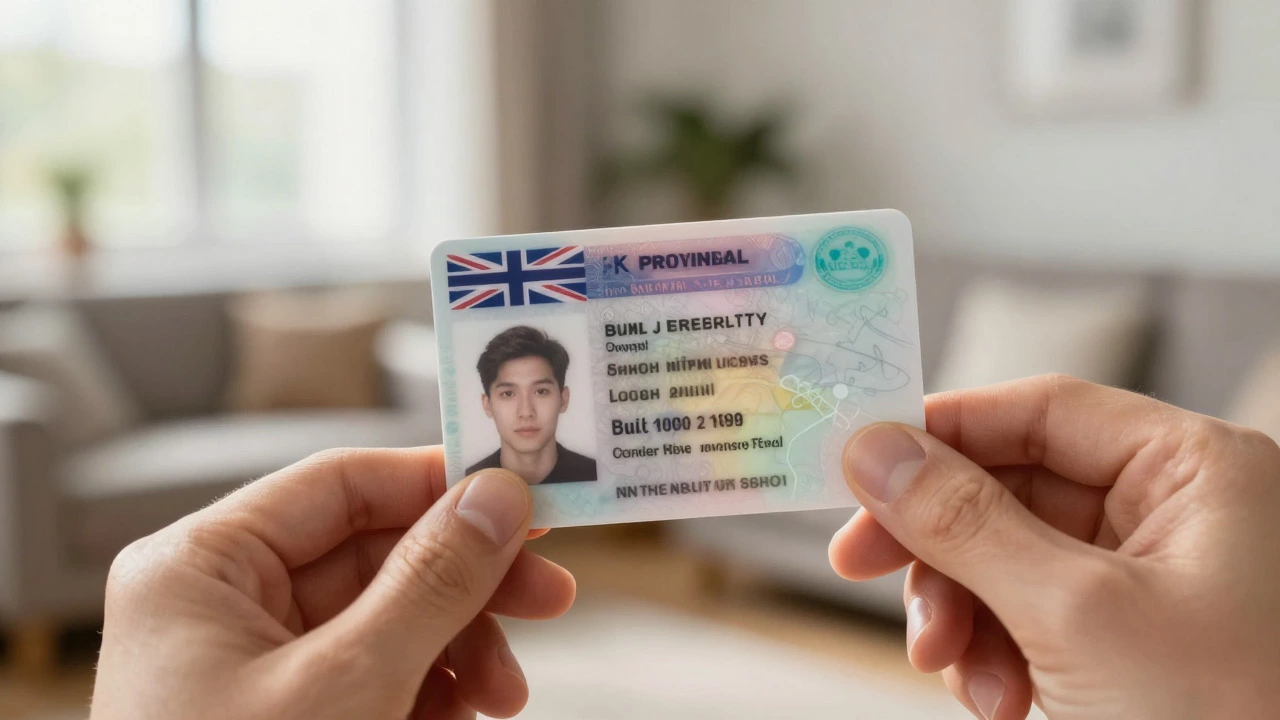
Provisional Driver Readiness & Rules Checker
Key Provisional Rules
Must have a qualified supervisor (full license holder, typically 21+ years old) in the passenger seat at all times.
Clearly display learner signs on front and rear of vehicle to alert other drivers.
Most jurisdictions enforce zero-tolerance policy. Even small amounts can lead to disqualification.
Strictly prohibited for all drivers, especially dangerous for learners developing skills.
Standard policies often exclude provisional holders. Need learner-specific or add-on coverage.
Pre-Drive Checklist
Verify each item before starting your practice drive:
You’ve just applied for your driving privileges, and suddenly you’re handed a document or told you have a "provisional ID" or "provisional status." It sounds official, but what does it actually mean for your daily life? Simply put, a provisional ID in the context of driving refers to your temporary legal permission to learn how to drive on public roads. It is not a full license, nor is it just a piece of paper; it is a specific legal status that comes with strict rules.
If you are standing at this starting line, you might feel overwhelmed by the jargon. You aren't alone. Many new learners confuse their provisional entitlement with a full license, leading to expensive fines or insurance issues. This guide breaks down exactly what this status means, what you can and cannot do, and how to navigate this phase safely and legally.
The Core Meaning: Permission to Learn, Not to Drive Alone
At its heart, a provisional ID or provisional licence is a conditional permit. It grants you the right to operate a motor vehicle, but only under supervision. Think of it as a training pass rather than a freedom pass. In most jurisdictions, including the UK, New Zealand, and Australia, this status signifies that you have passed the initial administrative checks (like eye tests) but have not yet demonstrated competence behind the wheel through a practical driving test.
This distinction is crucial because it defines your legal relationship with the road. A full license holder is presumed competent. A provisional holder is presumed to be a student. This presumption shifts the burden of responsibility onto both you and your supervisor. If an accident occurs, the law looks closely at whether the conditions of your provisional status were met. Did you have a qualified supervisor? Were you displaying the correct signs? Was the vehicle insured for a learner?
Key Rules of the Road for Provisional Drivers
Having a provisional ID isn't enough on its own. To keep it valid and avoid penalties, you must adhere to a set of universal rules. While specifics vary slightly by country, the core principles remain consistent globally.
- Supervision is Mandatory: You generally cannot drive alone. You must have a qualified person in the passenger seat. This person usually needs to hold a full license for at least two to three years and be over a certain age (often 21 or 25). They must be able to reach the controls if necessary and provide instruction.
- Displaying Plates: You must clearly display "L" plates (or equivalent learner signs like "P" plates in some regions during probationary periods) on the front and rear of your vehicle. These signs alert other drivers that you are learning, encouraging them to give you extra space and patience.
- Zero Alcohol Tolerance: Most jurisdictions enforce a zero-tolerance policy for alcohol for provisional drivers. Even a small amount of beer can lead to immediate disqualification. This rule protects you from impaired judgment while you are still developing muscle memory and hazard perception skills.
- No Mobile Phone Use: Using a handheld phone while driving is strictly prohibited for all drivers, but particularly dangerous for learners. Your attention needs to be fully on the road, not on notifications.
Ignoring these rules doesn't just risk a fine; it often results in the cancellation of your provisional ID. This means you’d have to restart the entire application process, wasting time and money.
Insurance Implications: The Hidden Cost of Ignorance
One of the biggest pitfalls for new drivers is assuming their car insurance covers them automatically. It rarely does. Standard policies often exclude drivers who do not hold a full license. When you get your provisional ID, you must inform your insurer immediately.
You typically need one of two types of coverage:
- Learner Driver Insurance: A standalone policy specifically designed for people with provisional IDs. This covers you when practicing in any car, provided the car is insured for your use.
- Add-on Coverage: Adding yourself to a parent’s or guardian’s existing policy. This is often cheaper but may come with restrictions, such as limiting which cars you can drive or requiring a named supervisor to be present.
Failing to declare your provisional status can void your insurance entirely. If you cause an accident while uninsured due to this oversight, you could face personal liability for damages, medical bills, and legal fees. Always double-check your policy documents before turning the key.
From Provisional to Full: The Progression Path
Your provisional ID is a stepping stone, not a destination. The goal is to transition to a full license. This process usually involves several stages:
| Stage | Requirement | Outcome |
|---|---|---|
| 1. Application | Eye test, photo, fee payment | Receive Provisional ID/Licence |
| 2. Theory Test | Pass multiple-choice and hazard perception exams | Eligibility to book practical test |
| 3. Practical Training | Hours of supervised practice + professional lessons | Confidence and skill development |
| 4. Practical Test | On-road assessment by examiner | Full License Issued |
In many places, passing the theory test is a prerequisite for booking the practical test. This ensures you understand the rules of the road before you attempt to demonstrate physical control. Some regions also require a minimum number of supervised driving hours. For example, in New Zealand, you must hold your learner license for a minimum period (often six months) and log specific driving times before being eligible for the next stage.
Common Mistakes That Get Provisional Licences Revoked
Even with good intentions, mistakes happen. However, certain errors are treated severely by licensing authorities. Here are the top reasons provisional IDs are revoked:
- Driving Without Supervision: Being caught driving alone, even for a short distance to the shop, is a major offense. Cameras and police patrols actively look for unaccompanied learners.
- Speeding: Exceeding speed limits shows a lack of judgment. For learners, this often triggers an automatic review of their fitness to continue learning.
- Accumulating Penalty Points: In systems that use demerit points, accumulating too many points within a short period can lead to suspension. Since learners start with a clean slate, every infraction counts heavily.
- Failing to Report Medical Changes: If your eyesight deteriorates or you develop a condition affecting reaction times, you must report it. Hiding this information invalidates your license.
Understanding these risks helps you stay focused. Treat every drive as if an examiner is sitting beside you, even if it’s just your parents.
Why the Provisional Phase Matters for Safety
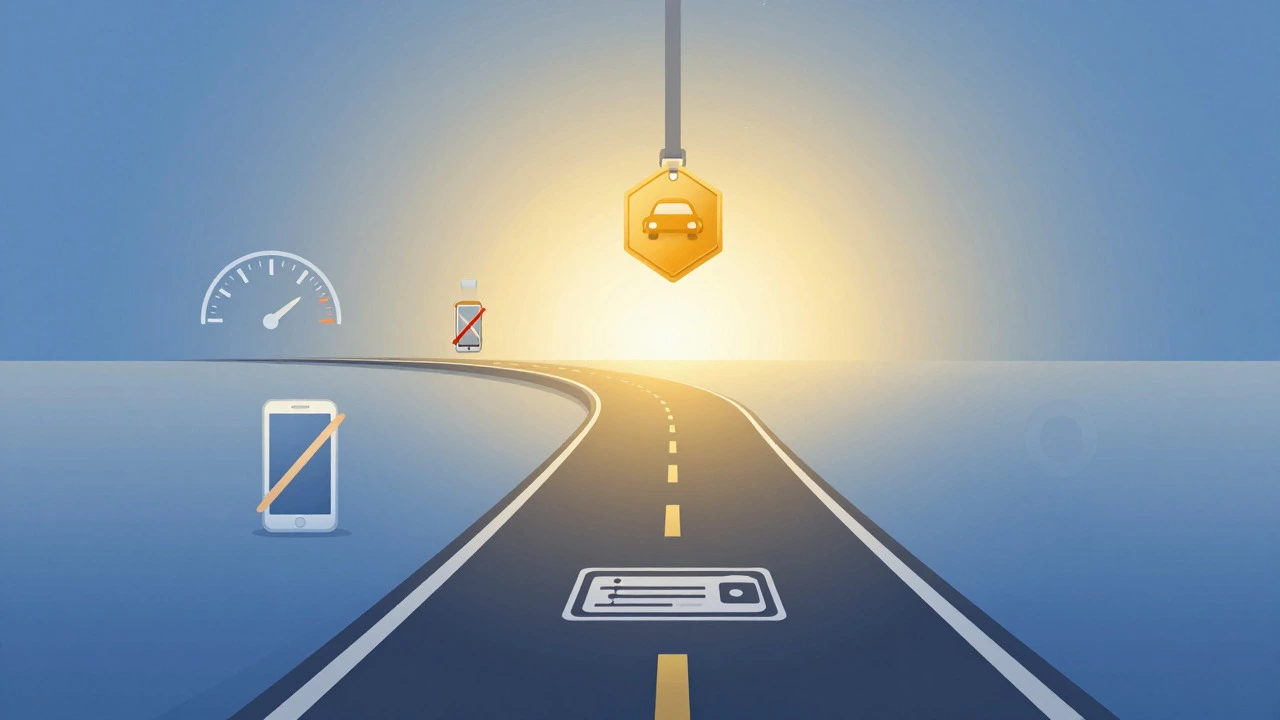
The provisional system exists for a reason: statistics show that new drivers are significantly more likely to be involved in accidents during their first year of independent driving. By enforcing a supervised learning period, authorities aim to build safe habits early. Research indicates that drivers who complete extensive supervised practice before taking their test have lower crash rates in their first five years of driving.
This phase allows you to make mistakes in a controlled environment. Stalling the car, missing a turn, or misjudging a gap in traffic is part of the learning curve. With a supervisor present, these errors become teaching moments rather than catastrophic events. Embrace the phase. It’s your safety net.
Next Steps for New Provisional Holders
Now that you understand what your provisional ID means, here’s how to move forward effectively:
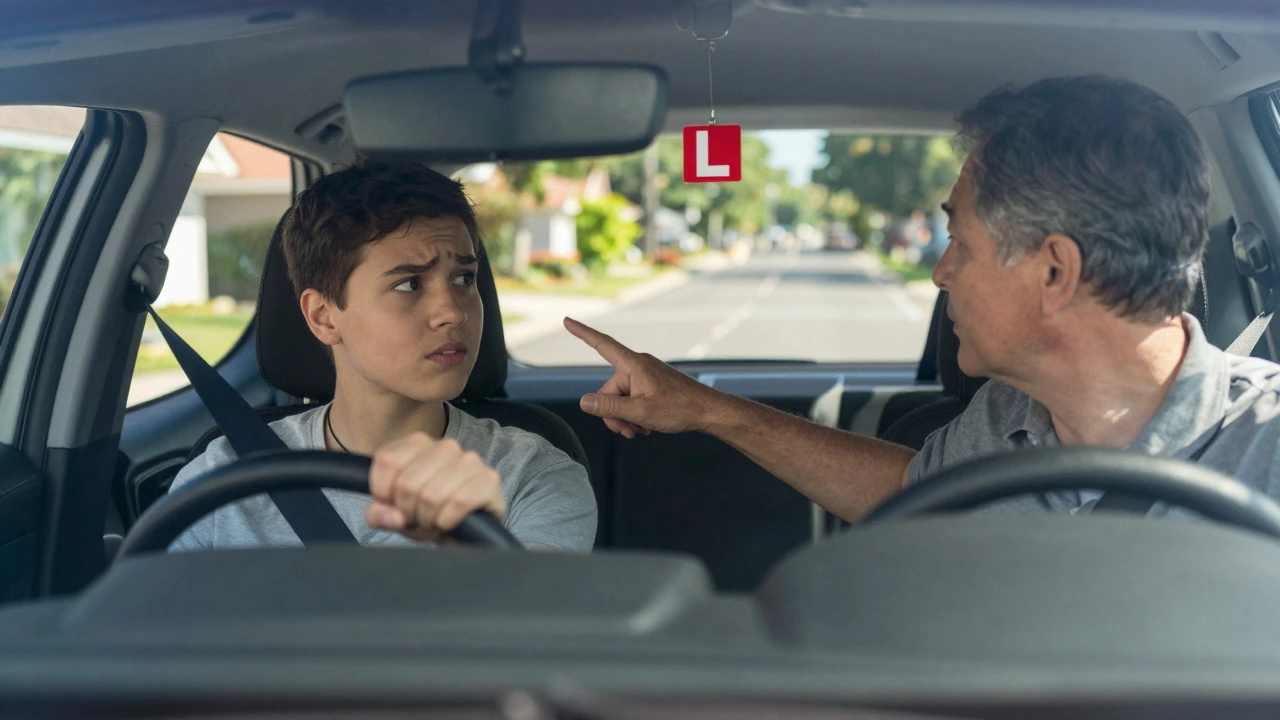
- Find a Qualified Supervisor: Choose someone patient, experienced, and calm. Avoid supervisors who are prone to anger or distraction.
- Book Professional Lessons: While family members are great for practice, certified instructors provide structured feedback and teach advanced techniques like emergency stops and junction management.
- Study the Highway Code: Familiarize yourself with local traffic laws. Knowing the rules reduces anxiety and improves decision-making.
- Practice Regularly: Consistency is key. Short, frequent sessions are more effective than long, infrequent ones.
Your provisional ID is more than a document; it’s a commitment to becoming a safe driver. Respect the rules, value the guidance, and enjoy the journey toward independence.
Can I drive anywhere with a provisional ID?
In most cases, yes, you can drive on public roads, but there are exceptions. Some countries restrict learners from driving on motorways or high-speed highways until they have passed additional assessments. Always check local regulations regarding restricted zones.
How long does a provisional ID last?
The validity period varies by jurisdiction. In the UK, a provisional license is valid indefinitely unless revoked, but you must renew your photocard every 10 years. In New Zealand, a learner license is valid for up to two years, after which you must either progress to the next level or reapply.
Do I need to take a theory test before getting my provisional ID?
Usually, no. The theory test is required before you can book your practical driving test, not before you receive your provisional ID. However, you must pass an eyesight test and provide proof of identity to get the provisional document.
What happens if I fail my practical driving test?
If you fail, your provisional ID remains valid. You can rebook the test after a waiting period (often 10 days to 3 weeks). Use the feedback from the examiner to improve your weak areas before retaking the exam.
Can I drive an automatic car with a manual provisional license?
Yes, if you pass your test in an automatic car, your license will be restricted to automatic vehicles only. If you want to drive manuals later, you’ll need to retake the practical test in a manual car. Check your specific license code to see if it includes both transmission types.