
UK Transport Terminology Quiz
Instructions: Read the scenario below carefully. Select the term that a British professional or local would most likely use in that specific context.
Result
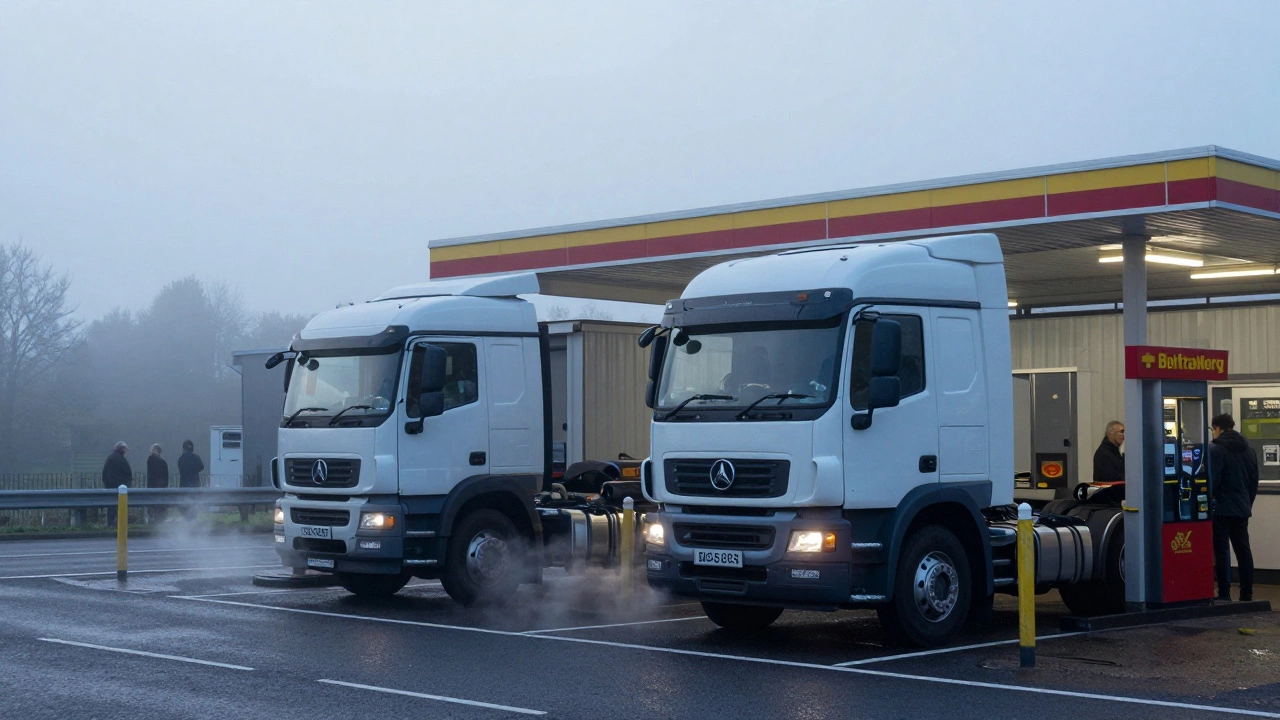
You pull up to a rest stop in the Midlands, grab a coffee, and overhear two locals chatting. One says, "That HGV driver is stuck in traffic again." The other replies, "Yeah, those lorry drivers have it tough." If you’re new to the UK transport scene, that exchange might sound like code. Are they talking about the same person? Yes. But why so many names?
In the United Kingdom, the term "truck" is rarely used by locals when referring to large commercial vehicles. Instead, you’ll hear a mix of colloquial slang, industry jargon, and legal terminology. Understanding these terms isn’t just about fitting in at the pub; it’s crucial if you’re looking into HGV training programs designed to prepare individuals for professional driving roles, applying for jobs, or navigating logistics regulations.
The Legal Term: Heavy Goods Vehicle (HGV)
If you want to be precise, especially when dealing with the government or insurance companies, you use the term Heavy Goods Vehicle a motor vehicle exceeding 3.5 tonnes maximum mass. This is the official classification used by the Driver and Vehicle Licensing Agency (DVLA). When you apply for your licence, you aren’t getting a "truck licence"; you are applying for an HGV licence.
The HGV category covers vehicles that weigh more than 3.5 tonnes. This threshold is significant because it determines what kind of training and testing you need. A standard car licence (Category B) allows you to drive vehicles up to 3.5 tonnes. Once you cross that line, you enter the world of HGVs. The term is broad, encompassing everything from small box vans used for local deliveries to massive articulated lorries hauling freight across Europe.
Why does this distinction matter? Because "HGV" signals professionalism. Job postings on sites like Indeed or Reed will almost always list "HGV Driver" rather than "Truck Driver." Using the correct terminology shows employers that you understand the regulatory landscape of the UK transport sector.
The Common Slang: Lorry
While "HGV" is the legal term, "lorry" is the word you’ll hear on the streets, in news reports, and in everyday conversation. It’s the British equivalent of the American "truck." If you ask a random passerby in London what they call a big transport vehicle, they will say "lorry."
The origin of the word "lorry" is debated, but it has been in use since the early 20th century. It feels more grounded and less bureaucratic than "HGV." You’ll see signs saying "Lorry Parking Only" and hear radio traffic updates mentioning "lorries queuing at the M25."
For someone entering the industry, understanding "lorry" helps with cultural integration. It’s the term used by the general public. If you’re explaining your job to friends or family, saying "I’m a lorry driver" sounds natural. Saying "I operate a Heavy Goods Vehicle" might make them think you’re reading from a manual.
The Modern Industry Standard: LGV
Here’s where it gets tricky. In recent years, the term Large Goods Vehicle an alternative term for heavy goods vehicles often used in training contexts (LGV) has gained popularity, particularly within the training and recruitment sectors. Many driving schools now advertise "LGV Training" instead of "HGV Training."
Why the shift? The industry wanted to modernize its image. "Heavy" can imply outdated, dangerous, or overly strenuous work. "Large" is seen as more neutral and inclusive. Additionally, some argue that "Large Goods Vehicle" better reflects the variety of vehicles involved, including lighter rigid trucks that are still above the 3.5-tonne limit but not necessarily "heavy" in the traditional sense.
However, the DVLA still uses "HGV" in most official documentation. So, while you might take an LGV course, you’ll likely receive an HGV licence. It’s important not to confuse the two. They refer to the same class of vehicles, but the branding differs. When searching for courses, check both terms to ensure you’re finding the right provider.

Other Terms You Might Hear
Beyond HGV, lorry, and LGV, there are several other terms specific to the type of vehicle or the role of the driver:
- Articulated Lorry: Often shortened to "artic," this refers to a tractor unit connected to a trailer. It’s the classic long-haul vehicle.
- Rigid Truck: A vehicle where the cab and cargo area are fixed together, like a box van or a cement mixer.
- Semi-Trailer: The trailer part of an articulated lorry. Drivers often talk about "coupling" and "uncoupling" semis.
- Big Rigs: This is an American term. While some British drivers might use it jokingly or due to exposure to US media, it’s not native to UK English. Using it might mark you as an outsider.
- 18-Wheeler: Another Americanism. Rarely used in the UK unless referring specifically to vehicles imported from North America.
Understanding these distinctions helps you navigate conversations with other drivers. If you’re at a depot and someone asks if you’re running an "artic" or a "rigid," you’ll know exactly what they mean.
Why Terminology Matters for Your Career
Getting your terminology right isn’t just about linguistics; it’s about career progression. Here’s how using the correct terms impacts your journey in the UK transport industry:
| Term | Context | Usage Example |
|---|---|---|
| HGV | Legal & Official | "Apply for an HGV Licence via DVLA" |
| Lorry | Colloquial & Public | "The lorry blocked the road" |
| LGV | Training & Recruitment | "Enroll in an LGV Training Course" |
| Truck | International/American | "Cross-border trucking operations" |
When you’re writing your CV, use "HGV Driver" or "Professional Lorry Driver." These terms resonate with UK recruiters. If you put "Truck Driver" on your resume, it might look like you copied a template from abroad. Recruiters scan for keywords, and "HGV" is the keyword they’re looking for.
Similarly, when researching training providers, look for those accredited by the Council for Licensed Conveyancers or approved by the DVSA (Driver and Vehicle Standards Agency). Reputable schools will clearly state whether they offer HGV or LGV training. Don’t be misled by fancy marketing; ensure the course leads to the correct licence categories (C1, C, C+E, etc.).
Navigating the Licence Categories
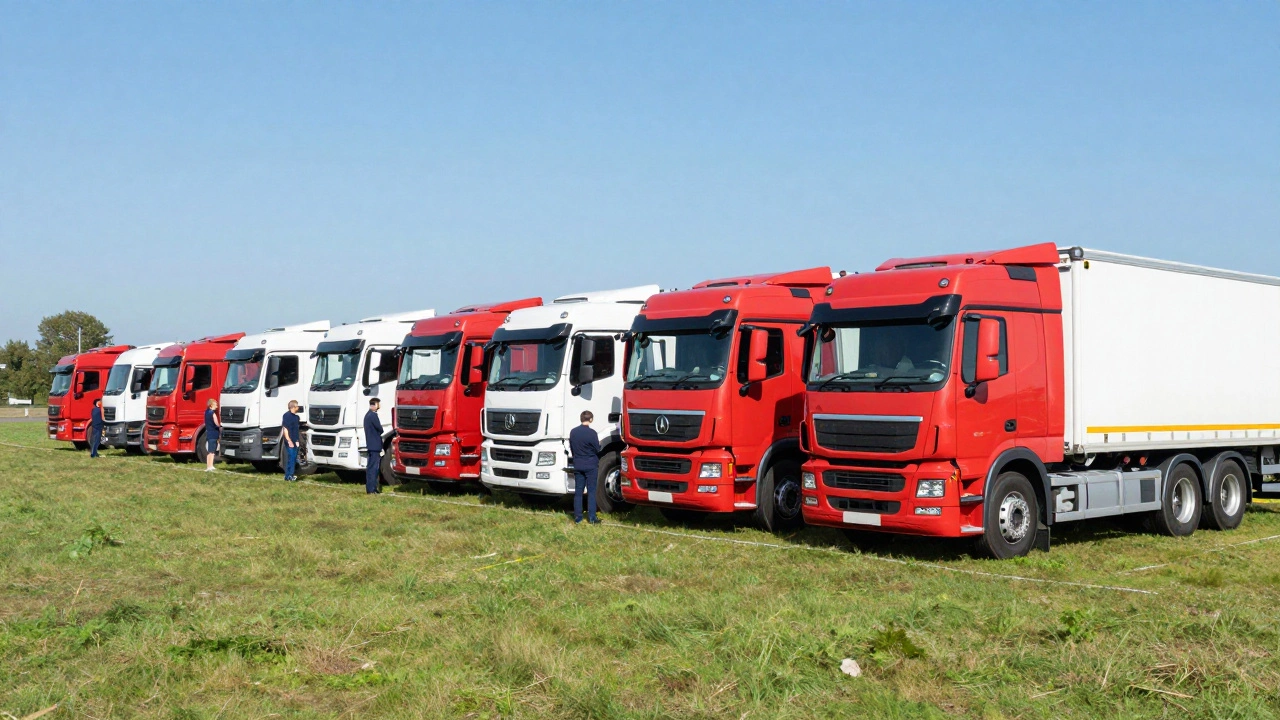
Once you know what to call the vehicle, you need to know what licence you need. The UK system categorizes HGVs based on weight and configuration:
- Category C1: Vehicles between 3.5 and 7.5 tonnes. Good for smaller box vans and minibuses.
- Category C: Vehicles over 7.5 tonnes. This includes rigid trucks and large buses.
- Category C+E: Articulated vehicles over 7.5 tonnes towing a trailer over 750kg. This is the standard long-haul licence.
- Category BE: Cars towing trailers over 750kg. Not strictly HGV, but relevant for smaller haulage.
Most people starting out aim for Category C or C+E. Training for these licences involves theory tests, practical driving assessments, and sometimes a CPC (Certificate of Professional Competence) qualification. The CPC is mandatory for professional drivers in the EU and UK, ensuring you stay updated on safety, health, and working time regulations.
Cultural Nuances and Driver Identity
Being a lorry driver in the UK comes with a strong sense of identity. There’s pride in the profession, rooted in the vital role these drivers play in keeping the country supplied. During strikes or supply chain disruptions, the visibility of lorries on the roads highlights their importance.
Drivers often refer to themselves as "drivers" or "hauliers." The term "haulier" refers to the owner-operator or the company, but it’s sometimes used loosely to describe the driver too. You’ll also hear references to "cab culture," emphasizing the camaraderie among drivers who spend long hours on the road.
Respect for the job is growing. Initiatives to improve pay, conditions, and mental health support are changing the perception of the industry. By using the correct terms, you show respect for the tradition and professionalism of the field.
Common Mistakes to Avoid
As you start your journey, avoid these common pitfalls:
- Using "Trucker": This is distinctly American. In the UK, it sounds odd.
- Confusing HGV and LGV: Remember, they’re the same thing, but HGV is the legal term. Use LGV only when discussing training brands.
- Ignoring CPC Requirements: Even if you have the licence, you need the CPC card to drive professionally. Make sure your training includes this.
- Underestimating Theory Tests: The HGV theory test is different from the car theory test. It focuses on larger vehicle dynamics, loading regulations, and safety checks.
By mastering the language of the industry, you position yourself as a serious candidate. You’re not just someone who wants to drive a big vehicle; you’re a professional entering a regulated, respected trade.
Is HGV the same as LGV?
Yes, HGV (Heavy Goods Vehicle) and LGV (Large Goods Vehicle) refer to the same class of vehicles. The term LGV is often used by training providers for marketing purposes, while HGV remains the official legal term used by the DVLA and in legislation.
Do British people use the word "truck"?
British people rarely use the word "truck" for large commercial vehicles. They prefer "lorry" in casual conversation and "HGV" in formal or legal contexts. "Truck" is mostly associated with American English or specific types of light commercial vehicles.
What is the difference between an artic and a rigid truck?
An "artic" (articulated lorry) consists of a separate tractor unit and a trailer that can be detached. A rigid truck has a fixed cab and cargo area, meaning the engine and body are one single unit. Examples of rigid trucks include box vans and cement mixers.
Which licence do I need to drive a lorry in the UK?
To drive a lorry over 3.5 tonnes, you need an HGV licence. For vehicles between 3.5 and 7.5 tonnes, you need Category C1. For larger rigid trucks, you need Category C. For articulated lorries, you need Category C+E. You must pass both theory and practical tests.
Is "haulier" a synonym for truck driver?
Technically, a "haulier" is the person or company that owns the vehicle and hires the driver. However, in casual speech, some drivers may refer to themselves as hauliers. It’s best to use "driver" for clarity unless you own the business.