
UK Fire Service & Vehicle Terminology Quiz
Are you ready for the road in the UK? Test your understanding of local terms like "Fire Engine," "Ladder Platform," and "Articulated Lorry." This tool helps drivers and logistics professionals avoid linguistic confusion and improve situational awareness.
Quick Reference Guide
Fire Engine
Standard pump-laden vehicle. Carries water/hoses. US equiv: Pumper/Fire Truck.
Ladder Platform
Extendable ladder for height rescue. Long wheelbase. US equiv: Ladder Truck.
Articulated Lorry
Semi-truck/Tractor-trailer. Shorthand: "Artic." US equiv: Semi-truck.
Fire Tender
Lighter rural unit. Less water capacity. Used in narrow lanes.
Ready to Test Your Knowledge?
This quiz covers 5 key scenarios involving UK vehicle terminology and emergency response protocols.
Loading question...
Quiz Complete!
0/5
Keep practicing!
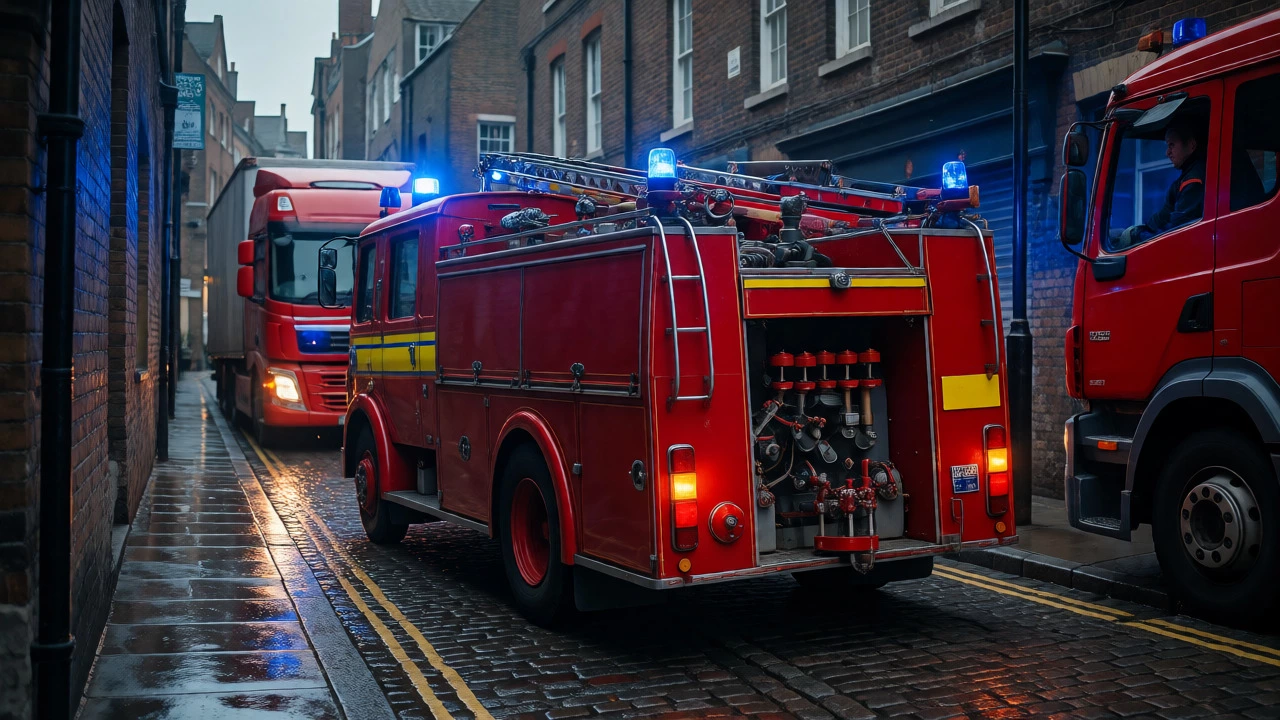
You’re standing on a street in London or Manchester. Sirens wail. A massive red vehicle with flashing blue lights rounds the corner. You shout to your friend, "Look at that huge firetruck!" They look at you like you’ve just spoken in tongues. Why? Because in the United Kingdom, nobody calls it a firetruck. They call it a fire engine. This isn’t just a semantic quirk; it’s a cultural marker that can trip up even experienced drivers and logistics professionals.
If you are involved in HGV training, heavy goods vehicle operations, or simply planning to drive across the Channel, understanding these linguistic differences is crucial. Misunderstanding radio communications or signage can lead to confusion, hesitation, and in high-stress environments like emergency response or complex maneuvering, potential safety risks. Let’s break down exactly what British people call these vehicles, why the difference exists, and how this terminology impacts professional driving contexts.
The Core Difference: Fire Engine vs. Fire Truck
In the US, "fire truck" and "fire engine" are often used interchangeably by the public, though firefighters distinguish between them. In the UK, the distinction is rigid and rooted in history. The term fire engine refers specifically to the vehicle that carries water and pumps. It is the primary unit dispatched to most fires. If you see a red vehicle spraying water from a hose reel or monitor, it is an engine.
The term fire truck is virtually non-existent in everyday British speech. If you use it, you will be understood, but you will immediately flag yourself as American, Canadian, or Australian. Instead, the UK uses specific terms for different types of apparatus:
- Fire Engine: The standard appliance carrying water, hoses, and basic rescue gear.
- Ladder Platform (or Turntable Ladder): The tall vehicle with an extendable ladder, used for rescues from height.
- Aerial Appliance: A modern term often replacing "Ladder Platform," referring to vehicles with hydraulic platforms.
- Road Traffic Collision (RTC) Unit: Specialized vehicles equipped for extricating trapped occupants from crashed cars.
Why does this matter for HGV drivers? When you are navigating urban environments, hearing "Engine coming through" over the radio means a standard pump-laden vehicle is approaching. Hearing "Ladder" implies a longer, heavier vehicle that may need more space to maneuver its stabilizers. Knowing the specific type helps you anticipate the physical footprint of the emergency vehicle.
Historical Roots of the Terminology
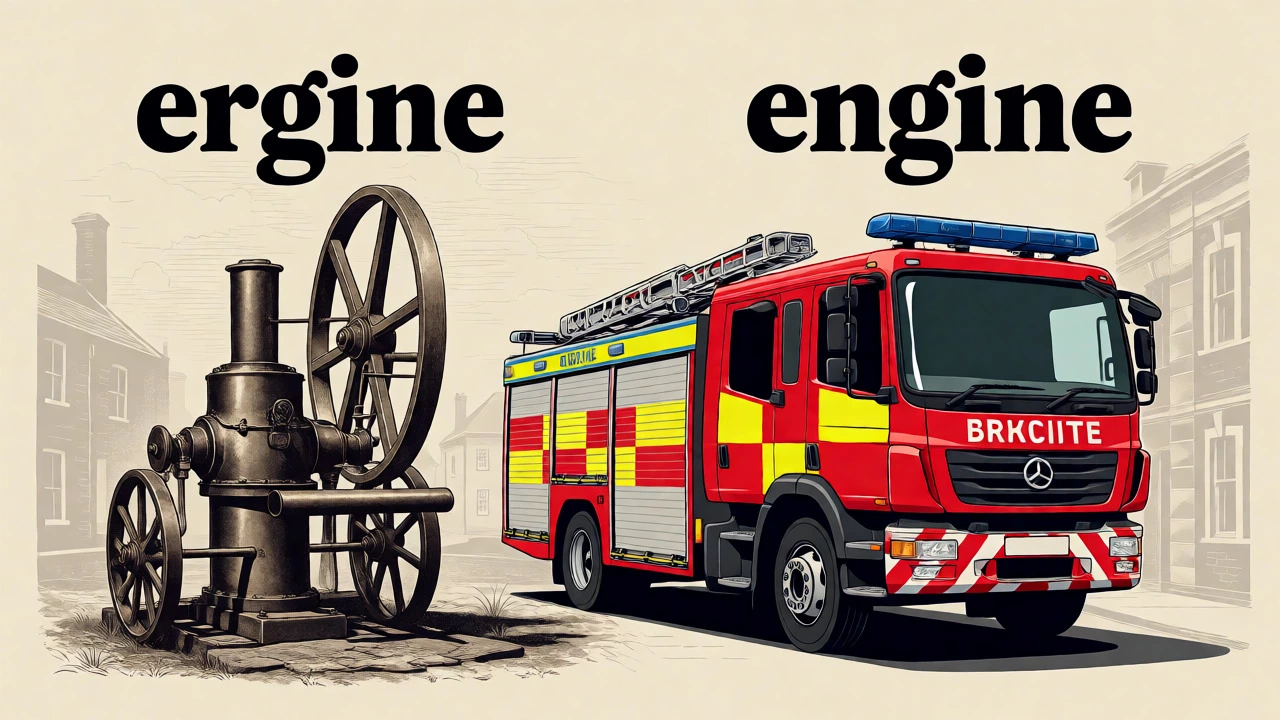
To understand the language, you have to look at the technology. The word "engine" comes from the steam-powered pumps developed in the 18th and 19th centuries. These were literally engines-steam-driven machines that forced water out of hoses. The vehicle was secondary; the machine doing the work was the "engine." Over time, the name stuck to the entire vehicle.
In contrast, the American term "truck" evolved later, reflecting the automotive industry's shift toward chassis-based vehicles. As motorized trucks replaced horse-drawn carriages, the focus shifted from the pumping mechanism to the transport capability. The UK retained the older, function-based nomenclature. This historical inertia is powerful. Even today, a new electric fire engine is still called an engine, not an e-truck.
This legacy affects how British drivers perceive these vehicles. They are seen as specialized machinery first, vehicles second. For those undergoing HGV training, recognizing this mindset helps when interacting with emergency services personnel. They speak about their vehicles as tools of the trade, using precise technical language rather than colloquial slang.
Impact on Professional Driving and Radio Comms
For professional drivers, clear communication is a safety tool. In the UK, road users are taught to yield to emergency vehicles. But yielding requires knowing what is coming. Emergency service radios use concise codes and terms. While the general public might say "fire truck," a dispatcher will almost always say "Engine" or "Appliance."
| UK Term | US Equivalent | Primary Function | Key Feature for Drivers |
|---|---|---|---|
| Fire Engine | Fire Engine / Pumper | Fighting fires | Carries water tank; needs close access to hydrants |
| Ladder Platform | Ladder Truck | Rescue from height | Long wheelbase; requires wide turning circles |
| Aerial Appliance | Tower Ladder | Elevated platform access | Stabilizers deploy wide; watch for clearance |
| Ambulance | Ambulance | Medical response | Often smaller; may stop abruptly in traffic |
Notice the column "Key Feature for Drivers." If you are driving a large HGV and hear "Ladder requested," you know a long vehicle is en route. You should check your mirrors and avoid blocking junctions where a long wheelbase might get stuck. If you hear "Engine," you expect a standard length vehicle but one that might stop suddenly to connect to a water supply. Anticipating these behaviors reduces panic braking and keeps traffic flowing smoothly around the incident.
Broader UK Vehicle Slang Every Driver Should Know
Fire engines aren't the only place where transatlantic English diverges. If you are moving into the UK market or taking HGV tests there, you’ll encounter other terms that sound odd to North American ears. Using the wrong term can make you seem unprepared or disrespectful of local norms.
Here are a few common examples relevant to heavy vehicle operators:
- Articulated Lorry: What Americans call a semi-truck or tractor-trailer. "Artic" is the common shorthand.
- Cab: The front part of the truck. Never "tractor" in casual conversation, though "tractor unit" is used technically.
- Boot: The storage compartment at the back of a car. Trucks have "lockers" or "toolboxes," but never boots.
- Bonnet: The hood. Relevant if you are checking engine bays during pre-drive inspections.
- Petrol: Gasoline. Diesel is diesel everywhere, but remember that many older HGVs run on diesel, while some support vehicles run on petrol.
Mixing these up can cause minor friction. Imagine telling a depot manager, "I checked the hood and filled the gas." He might nod politely, but he’s thinking, "This person doesn’t belong here." Precision builds trust. In logistics, trust translates to reliability.
Navigating Urban Environments with Emergency Vehicles
British roads are narrower than American highways. Historic city centers in places like York, Oxford, or Edinburgh weren’t designed for modern HGVs, let alone aerial appliances. Understanding the terminology helps you interpret signs and signals faster.
When you see a sign indicating a "Fire Station," you know that engines and ladders frequently exit that location. In dense areas, these vehicles may reverse unexpectedly or take unconventional routes to avoid low bridges. Knowing that a "Ladder" is coming means you should leave extra room overhead for the boom to rise, especially under power lines or tree branches.
Furthermore, the blue lights are distinct. UK emergency vehicles use blue strobes. Some newer models combine blue with green or yellow for visibility, but blue remains the primary signal. Unlike the US, where red is also common, seeing red lights usually indicates a stationary hazard or a police vehicle in certain contexts, but primarily, blue means "move aside." If you are in a large articulated lorry, pulling aside takes time. Start early. Check your blind spots. Remember, the fire engine behind you has a crew focused on saving lives, not waiting for you to find a gap.
Practical Tips for HGV Drivers in the UK
If you are preparing for driving tests or working in the UK fleet, keep these practical points in mind regarding emergency interactions:
- Listen for Specifics: Don’t just listen for sirens. Listen for the type of vehicle mentioned in radio chatter if you have CB or company comms. "Engine" vs. "Ladder" changes your spatial awareness strategy.
- Know Your Dimensions: UK HGVs are limited to 4 meters in height and 16.5 meters in length for articulates. Fire ladders can exceed typical clearance assumptions. Always assume vertical hazards exist.
- Use Local Terms: Practice saying "lorry," "artic," and "engine." It sounds natural and shows cultural integration.
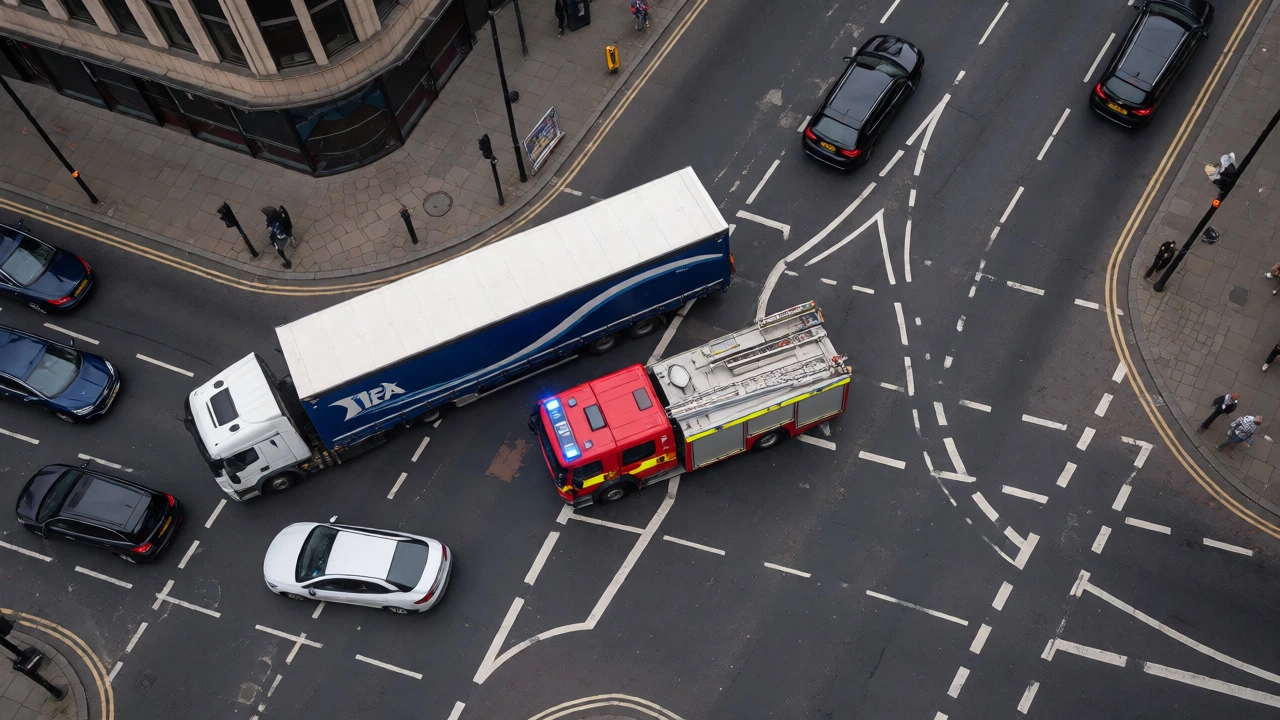
- Don’t Block Junctions: In the UK, stopping in a box junction is a strict offense. If an engine is approaching, ensure you can clear the junction completely before entering. Getting stuck blocks the emergency response.
These small adjustments reduce stress. You become part of the solution, not the obstacle. Drivers who proactively manage their position relative to emergency services are viewed positively by dispatchers and fellow road users alike.
Why This Matters Beyond Semantics
Language shapes perception. Calling a vehicle a "truck" emphasizes its size and cargo capacity. Calling it an "engine" emphasizes its mechanical purpose and urgency. In the UK, the latter framing encourages a culture of immediate yielding and respect for the operational mission. As an HGV driver, aligning with this cultural expectation smooths your daily operations.
Moreover, the UK’s HGV training standards emphasize defensive driving and situational awareness. Recognizing that a "fire engine" behaves differently than a delivery van is part of that skill set. It’s not just about vocabulary; it’s about predicting behavior based on the vehicle’s role. An engine stops to fight fire. A truck delivers goods. Their movement patterns differ. Anticipate the pattern, and you drive safer.
Do British firefighters ever use the word "truck"?
Rarely in official contexts. They might use it informally among themselves if influenced by American media, but professionally and publicly, they refer to their vehicles as "engines," "appliances," or specific types like "ladder platform." Using "truck" marks you as an outsider.
Is a fire engine considered an HGV in the UK?
Yes, most fire engines exceed the weight thresholds for Heavy Goods Vehicles (over 7.5 tonnes). However, firefighters hold specific licenses for these vehicles, which differ from standard HGV licenses due to the specialized equipment and driving conditions involved.
What is the difference between a fire engine and a fire tender?
In some rural UK areas, smaller units are called "fire tenders." These are lighter, quicker vehicles with less water capacity than a full-size engine. They are used in villages or narrow lanes where a large engine cannot fit. Both are referred to as "tenders" or "engines" depending on local brigade tradition, but never "trucks."
How do I identify a fire engine on the road?
Look for the distinctive red paint, blue flashing lights, and sirens. Visually, they are larger than ambulances but often shorter than articulated lorries. They typically have hose reels mounted on the sides and a prominent pump panel at the rear. The word "FIRE" is usually written in large white letters on the side.
Are there regional variations in the UK?
Slight ones. Some Scottish brigades might use "appliance" more frequently than "engine." However, "fire truck" is universally absent. Whether in Glasgow or London, the core terminology remains consistent enough for mutual understanding.