

Virginia DMV Vision Screening Eligibility Checker
Your Details
Enter your details to see if you require an in-person vision screening.
Imagine pulling up to the Department of Motor Vehicles (DMV) in Virginia, ready to renew your license, only to be told you need an eye exam first. For most drivers under a certain age, this step doesn't exist. You can simply pay online or walk into a local office, get your photo taken, and leave with a fresh card. But as we age, our eyesight changes, and so do the rules. If you are wondering exactly when the state starts demanding proof that you can see well enough to drive safely, you aren't alone. This is one of the most common questions for older drivers and their families.
The short answer is that in Virginia, mandatory vision screenings at the time of renewal kick in when you reach age 75. However, the reality is a bit more nuanced because the requirement isn't just about hitting a birthday; it's about how often you renew and whether you have underlying health conditions. Understanding these rules helps you avoid surprise delays or denials when you go to update your credentials.
How Virginia Handles Routine License Renewals
To understand why age 75 matters, you first need to look at how standard renewals work in the Commonwealth. For the vast majority of drivers-those between the ages of 16 and 74-the process is designed to be frictionless. The Virginia DMV operates on a multi-year cycle. Most adult licenses are valid for eight years. This means if you got your license at 30, you won't interact with the DMV again until you are 38.
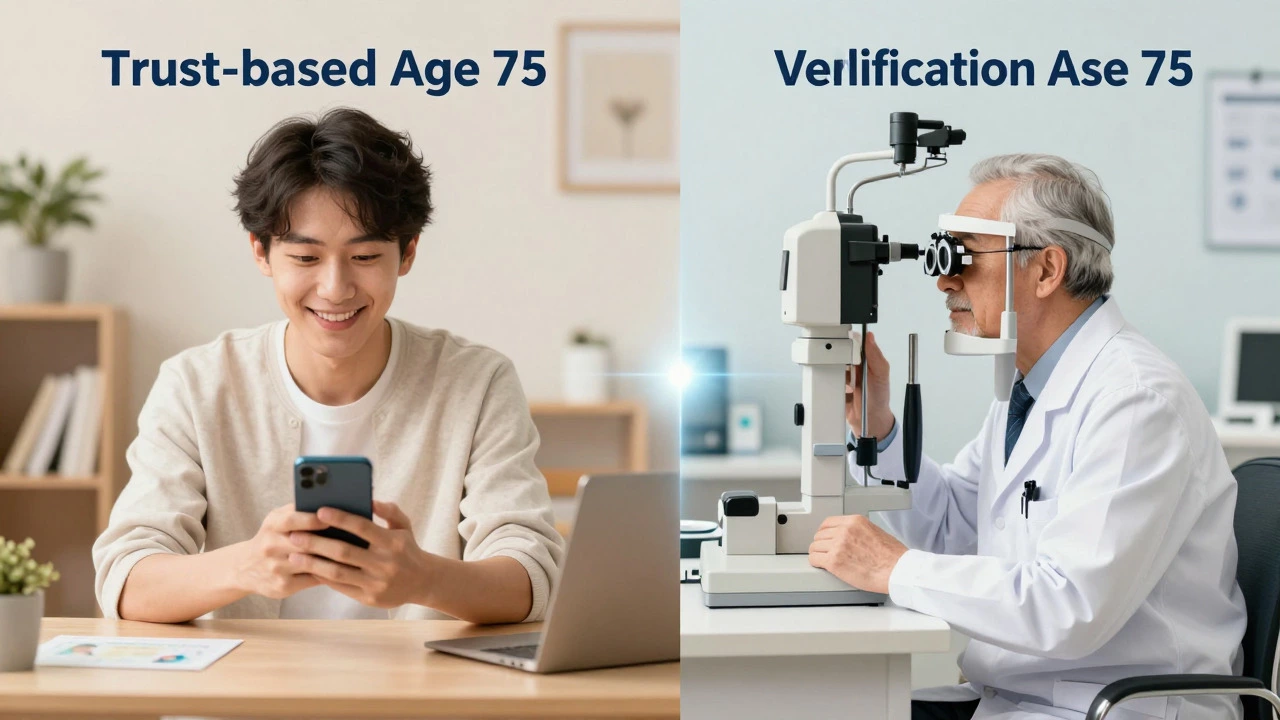
During these routine renewals, there is no statutory requirement for an in-person vision test. You can renew by mail, online, or at a customer service center. When you renew online or by mail, you are essentially declaring under penalty of perjury that your physical and mental condition hasn't changed significantly since your last license was issued. The system relies on self-reporting. If you've had major surgery, lost significant vision, or developed a new chronic illness, you are legally obligated to report it. But if everything is normal, the DMV trusts your word.
This trust-based model works well for younger demographics where sudden, severe vision decline is less common. It keeps lines shorter and reduces administrative costs. But as drivers enter their seventh decade of life, the statistical risk of vision-related accidents rises. Cataracts, glaucoma, macular degeneration, and diabetic retinopathy become more prevalent. These conditions don't always announce themselves loudly; they creep in slowly. A driver might think they see fine, but their peripheral vision has narrowed, or their ability to judge distances at night has degraded.
The Turning Point: Why Age 75 Changes Everything
When a driver turns 75, the Virginia DMV shifts from a trust-based model to a verification-based model. At this age, the standard eight-year license term is shortened. Drivers aged 75 and older typically receive a four-year license instead. This shorter cycle ensures that their fitness to drive is reviewed more frequently.
Here is the critical part: upon reaching age 75, and at every subsequent renewal, you must pass a vision screening. This isn't optional. You cannot renew by mail or online without providing proof of adequate vision. You generally have two ways to satisfy this requirement:
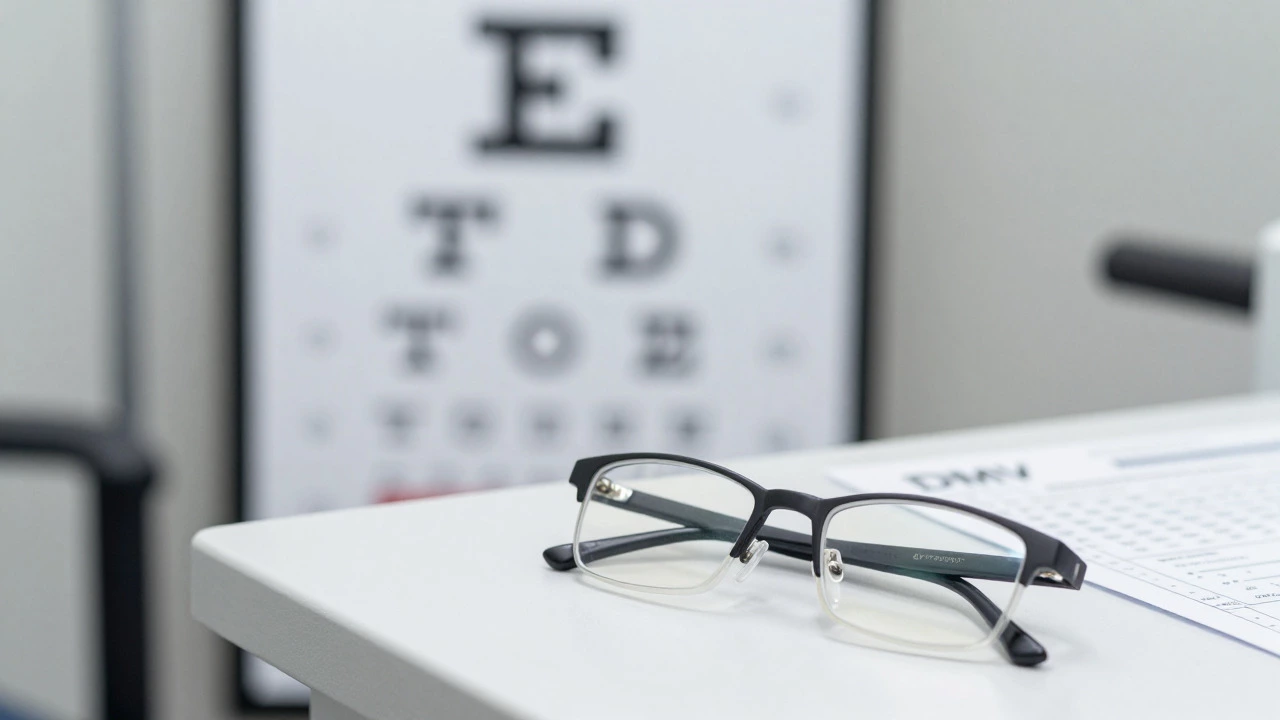
- In-Person Screening: You visit a DMV Customer Service Center. There, a technician will administer a quick visual acuity test using a Snellen chart (the one with the big E at the top). They check if you can read letters at a specific distance. In Virginia, the legal minimum for unrestricted driving is usually 20/40 vision in at least one eye, with or without corrective lenses.
- Certified Eye Exam: If you prefer not to wait in line at the DMV, or if you already know you wear glasses or contacts, you can visit a licensed optometrist or ophthalmologist. They perform a comprehensive eye exam and fill out a specific DMV form (Form DL-15B or similar medical certification forms depending on current regulations). You then submit this form to the DMV along with your renewal application.
If you fail the in-person screening, the DMV officer will issue a temporary permit. This permit allows you to drive for a short window-usually 30 days-to see an eye doctor and get corrected. Once you have your new glasses or contact lens prescription, you return to the DMV to re-take the test. If you still fail, even with correction, your license may be suspended or restricted.
Medical Conditions That Trigger Earlier Screenings
While 75 is the universal age trigger, it isn't the only one. Virginia law requires physicians to report patients whose medical conditions make them unsafe to drive. This means you could face a mandatory vision and cognitive assessment long before your 75th birthday if you have certain diagnoses.
Conditions that often lead to earlier scrutiny include:
- Diabetes: Uncontrolled diabetes can damage blood vessels in the retina, leading to blurred vision or blindness. If your doctor notes unstable blood sugar levels affecting your eyes, they may flag your license.
- Epilepsy: Seizure disorders require a seizure-free period before driving is allowed, but accompanying medication side effects like drowsiness or double vision also warrant testing.
- Dementia or Alzheimer's: While primarily cognitive, these conditions affect reaction times and spatial awareness, which are closely tied to visual processing.
- Stroke or TIA (Mini-Stroke): These events can cause sudden vision loss in one eye or both, or impair the brain's ability to interpret what the eyes see.
If your doctor submits a medical report to the DMV, the agency may revoke your license temporarily until you pass a series of tests, including a rigorous vision exam and possibly a road test. This protects you and others from potential accidents caused by undiagnosed or unmanaged health issues.
What Happens If You Fail the Vision Test?
Failing a vision screening doesn't automatically mean the end of your driving career. It does, however, mean restrictions. The DMV looks at two main factors: visual acuity (how clearly you see) and visual field (how wide your view is).
If your acuity is below 20/40 but correctable to 20/40 or better with glasses or contacts, you will likely keep your license but with a restriction code. This code mandates that you wear corrective lenses whenever you drive. Your license card will say "Corrective Lenses" or "CL." If you are pulled over and found driving without your glasses, you could face fines or points on your record.
Visual field restrictions are trickier. If you have tunnel vision-where you can only see straight ahead but miss cars coming from the side-you might still pass the acuity test. However, if your peripheral vision is too narrow, the DMV may restrict you to daylight driving only, or prohibit you from driving on interstate highways. In severe cases, where the visual field is critically compromised, the license may be suspended entirely.
Preparing for Your Senior Renewal
As you approach 75, or if you have a relevant medical condition, preparation is key. Don't wait until the day of your appointment to realize your glasses are scratched or your prescription is outdated. Schedule an eye exam a few weeks before your renewal date. Tell your optometrist you are preparing for a DMV vision screening. They can ensure your prescription maximizes your score on the Snellen chart.
Also, bring your current glasses or contacts to the DMV. The test measures your best-corrected vision. If you show up without them and fail, you'll have to come back another day, wasting time and money. If you rely on bifocals or progressives, be aware that some drivers struggle with depth perception through the lower segments. Monocles or single-vision reading glasses might help during the test, though you should consult your eye doctor on what provides the clearest distance vision for driving.
Comparison: Standard vs. Senior Renewal Requirements
| Feature | Under Age 75 | Age 75 and Older |
|---|---|---|
| License Validity Period | 8 Years | 4 Years |
| Vision Screening Required? | No (Self-Report) | Yes (Mandatory) |
| Renewal Method | Online, Mail, In-Person | In-Person or With Medical Form |
| Minimum Visual Acuity | 20/40 (One Eye) | 20/40 (One Eye) |
| Medical Reporting Trigger | Specific Conditions Only | Any Significant Change |
Tips for Passing the DMV Eye Test
The DMV vision test is straightforward, but anxiety can sometimes affect performance. Here are some practical tips to ensure you pass smoothly:
- Rest Well: Fatigue affects eye focus. Get a good night's sleep before your appointment.
- Bring Backup Glasses: If your primary pair gets lost or broken, having a spare ensures you aren't stuck.
- Know Your Prescription: If you haven't seen an eye doctor in over two years, go now. An outdated prescription is the number one reason people fail the initial screen and have to return later.
- Practice Reading Small Print: While not a substitute for a real exam, checking if you can comfortably read street signs or license plates at a distance can give you a baseline idea of your current vision status.
Remember, the goal of these screenings isn't to punish older drivers. It's to ensure safety on Virginia's roads. By staying proactive about your eye health and understanding the rules, you can keep your license valid and your mind at ease.
At what exact age do I need an eye test to renew my license in Virginia?
You are required to pass a vision screening when you turn 75 years old. From that point on, every time you renew your license (which happens every four years after age 75), you must provide proof of passing a vision test.
Can I renew my Virginia driver's license online if I am over 75?
Generally, no. Because an in-person vision screening or a certified medical form is required, most drivers over 75 must renew in person or submit the specific medical certification form by mail. Online renewal is typically reserved for those who do not have mandatory medical or vision requirements pending.
What is the minimum vision requirement to drive in Virginia?
The minimum visual acuity is 20/40 in at least one eye, with or without corrective lenses. You must also have a horizontal visual field of at least 120 degrees. If you meet these standards, you can obtain an unrestricted license.
Do I need an eye exam if I am under 75 but have diabetes?
If your diabetes is well-controlled and your vision is stable, you may not need a special exam unless your doctor reports it. However, if your doctor determines that your condition affects your ability to drive safely, they are required to report it to the DMV, which may then require a vision and medical evaluation.
What happens if I fail the vision test at the DMV?
If you fail, you will be issued a temporary permit allowing you to drive for a limited time (usually 30 days) to see an eye doctor. Once you have a new prescription and corrective lenses, you must return to the DMV to pass the test. If you cannot achieve 20/40 vision with correction, your license may be restricted or suspended.
How often do seniors have to renew their license in Virginia?
Drivers aged 75 and older must renew their licenses every four years, compared to the standard eight-year cycle for younger drivers. This ensures more frequent checks on their physical and mental fitness to drive.