
Trucker Slang Decoder
Meaning & Context
Definition goes here...
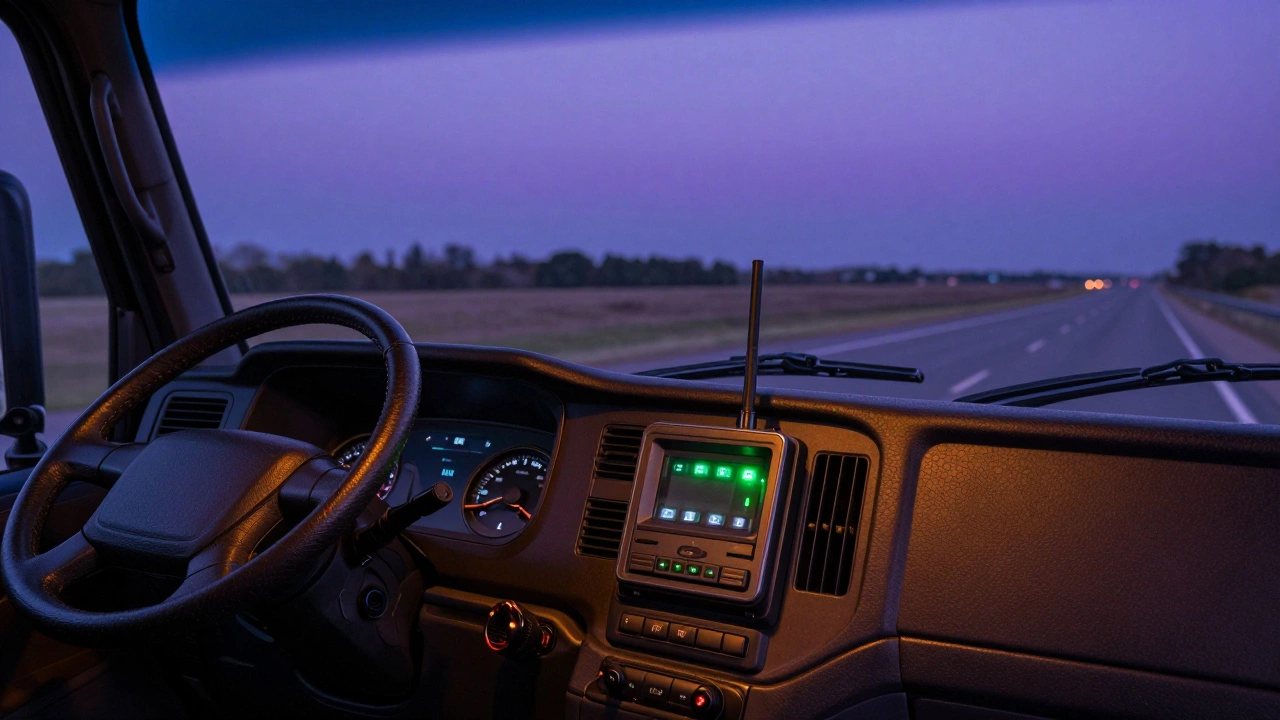
You’re sitting in the cab of a massive semi-truck, miles from civilization, and you hear voices crackling over your radio. They aren’t talking about weather or traffic. They’re calling each other "bear," "cowboy," and "good buddy." If you are new to HGV driving training, this can feel like a secret code designed to keep outsiders out. But it isn’t just random noise. It is a functional language born out of necessity, safety, and community on lonely highways.
Understanding what truckers call each other helps you fit into the industry faster. It turns confusing chatter into useful information. You will learn who is speeding, where there are police traps, and which rest stops have clean showers. This guide breaks down the most common nicknames and terms so you can speak the language of the road.
The Origin of Trucker Nicknames
Why do truck drivers use such strange names for one another? The answer goes back to the invention of the Citizens Band (CB) radio in the 1970s. Before cell phones and GPS, truckers relied on CB radios to communicate across vast distances. To save airtime and avoid giving away personal details to strangers-or worse, law enforcement-they developed a shorthand.
This slang evolved rapidly. It started with simple descriptors but grew into a complex cultural lexicon. While modern technology has changed how we drive, the slang stuck. It serves as a badge of identity. When you call someone a "good buddy" on the radio, you are acknowledging them as part of the same tribe. For anyone undergoing HGV driving training, learning these terms is less about gossip and more about understanding the social fabric of long-haul logistics.
Common Terms for Fellow Drivers
If you want to know what truckers call each other, start with the friendly greetings. These terms are used to establish contact and build rapport among peers.
- Good Buddy: This is the universal greeting. It means "hello" or "friend." It is polite, non-confrontational, and widely accepted across all regions. If you hear "CQ CQ Good Buddy," someone is looking to chat or share information.
- Cowboy: A cowboy is generally a skilled driver. However, context matters. Sometimes it refers to a driver who is aggressive or takes unnecessary risks. In a positive sense, it implies competence and confidence behind the wheel.
- Ham: Short for amateur, this term usually refers to someone who is inexperienced or making mistakes. If you are new to the road, you might be called a ham until you prove your skills. It is not always meant maliciously; it is often a warning to others that the driver may need extra space.
- Road Dog: This describes a veteran driver who spends most of their time on the highway. They know every mile marker, every weigh station, and every diner menu by heart. Respect is usually high for road dogs because they have survived the grind of long-haul life.
Using these terms correctly shows respect. Calling an experienced driver a "ham" would cause friction. Conversely, identifying yourself as a "rookie" or "newbie" invites helpful advice rather than criticism. This dynamic is crucial for safety. Experienced drivers often mentor newcomers by sharing tips on route planning and vehicle maintenance through these informal channels.
Terms Related to Authority and Law Enforcement
One of the primary functions of trucker slang is to warn peers about potential dangers, particularly law enforcement. These terms are critical for avoiding tickets and maintaining compliance with hours-of-service regulations.
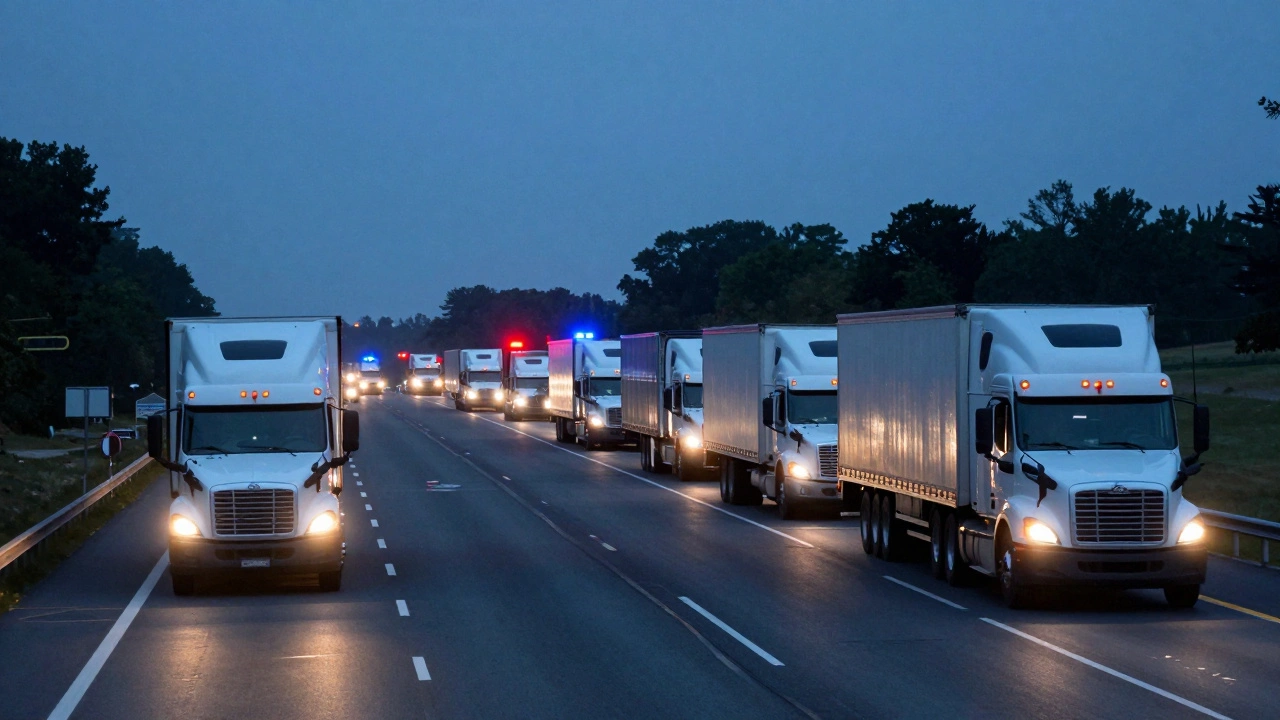
- Bear: This is the most famous term for a police officer. It comes from the idea of being caught in a trap. If you hear "bear jam" ahead, it means multiple officers are present, likely conducting speed checks or inspections.
- 486: This is a specific code number for a state trooper or highway patrol. It originated from the CB channel 9 emergency protocol but evolved into a distinct identifier. Hearing "486 at mile 50" tells you exactly where to slow down.
- Pig: A more derogatory term for police, often used when drivers are frustrated with strict enforcement or perceived unfairness. It reflects the tension between commercial drivers and regulatory bodies.
- Dog: Similar to bear, this can refer to any law enforcement vehicle. It is less specific than "bear" but still signals caution.
These warnings are not just about evading tickets. They help drivers manage their schedules. If a "bear jam" is reported, drivers can anticipate delays and adjust their delivery times accordingly. This real-time intelligence is invaluable for logistics companies trying to meet tight deadlines. As a trainee, understanding these alerts helps you develop situational awareness-a key component of defensive driving.
Vehicle and Equipment Slang
Truckers also have unique names for their vehicles and equipment. Knowing these terms helps you understand discussions about mechanical issues or modifications.
- Silver Bullet: This refers to a fast-moving truck, often one that is illegally speeding or carrying a heavy load while moving quickly. It is a mix of admiration and concern.
- Chicken Hawk: A smaller pickup truck or SUV that drives aggressively on the highway. Truckers dislike these vehicles because they weave unpredictably and lack the stability of larger rigs.
- Dead Head: Driving empty without a load. Every driver tries to avoid dead heading because it burns fuel without generating revenue. If you hear someone complaining about a "long dead head," they are frustrated with inefficiency.
- Tailgater: Any vehicle following too closely. On the highway, tailgating is dangerous due to the long stopping distance required for heavy trucks. Warning others about tailgaters prevents accidents.
These terms highlight the practical concerns of daily operations. For example, knowing what a "silver bullet" is helps you recognize risky behavior. Identifying a "chicken hawk" allows you to give smaller vehicles plenty of room. This vocabulary transforms abstract concepts into concrete visual cues, enhancing your ability to navigate traffic safely.
Regional Variations and Cultural Nuances
Not all truckers use the same slang everywhere. Regional differences exist based on geography, union affiliation, and type of cargo. Understanding these nuances adds depth to your communication skills.
In the United States, terms like "good buddy" are ubiquitous. However, in Europe, where HGV drivers operate under different regulations, the slang may differ slightly. For instance, European drivers might focus more on border crossing delays and toll booth issues. In Australia, you might hear "truckie" instead of "driver," reflecting local colloquialisms.
Unionized drivers sometimes use specific codes related to labor disputes or strikes. Non-union drivers might adopt more casual, internet-influenced slang. Additionally, specialized carriers-such as those transporting hazardous materials or livestock-have their own sub-cultures with unique jargon. For example, a tanker driver might use terms related to fluid dynamics and pressure gauges that a flatbed driver would never encounter.
As you progress through your training, pay attention to regional accents and dialects. Listening actively helps you pick up local variations. This adaptability makes you a more versatile professional. It also fosters better relationships with dispatchers and fellow drivers in different areas.
Why Learning Slang Matters for Your Career
You might wonder if memorizing slang is worth the effort. The answer is yes, for several reasons. First, it accelerates your integration into the workforce. New hires who understand the lingo appear more competent and culturally aware. Dispatchers appreciate drivers who can interpret radio reports accurately.
Second, it enhances safety. Much of the value in trucker communication lies in real-time hazard reporting. If you miss a warning about ice patches or debris because you didn’t understand the term, you put yourself and others at risk. Fluency in this language keeps you informed.
Third, it builds community. Long-haul driving can be isolating. Sharing jokes, stories, and updates using shared terminology creates bonds. These connections provide emotional support during difficult times, such as breakdowns in remote areas or family emergencies back home.
Finally, it demonstrates professionalism. Companies value drivers who engage positively with the broader industry network. Being able to converse fluently on CB radios or online forums shows initiative and interest in continuous improvement. It sets you apart from candidates who view driving merely as a job rather than a career.
How to Practice Using Trucker Slang
Learning slang is not just about reading lists. It requires active participation. Here are some practical steps to incorporate these terms into your routine:
- Listen to CB Radio Simulations: Many apps and websites simulate CB radio conversations. Use these to hear how terms are used in context. Pay attention to tone and timing.
- Join Online Forums: Platforms dedicated to trucking often have active communities. Read threads and observe how veterans interact. Ask questions respectfully if something is unclear.
- Shadow Experienced Drivers: During your training, spend time observing seasoned professionals. Note the words they use when discussing routes, mechanics, or incidents.
- Practice Pronunciation: Some terms have specific pronunciations that signal authenticity. Mispronouncing them can mark you as an outsider. Listen carefully to native speakers.
- Start Small: Begin by using simple greetings like "good buddy." Gradually introduce more complex terms as you gain confidence. Avoid forcing slang where it doesn’t fit naturally.
Remember, the goal is communication, not performance. Don’t try to sound like a caricature of a trucker. Aim for clarity and respect. Authenticity wins trust faster than forced familiarity.
| Term | Meaning | Context | Tone |
|---|---|---|---|
| Good Buddy | Fellow driver | Greeting/Chat | Friendly |
| Bear | Police Officer | Warning | Cautious | d>
| Cowboy | Skilled/Risky Driver | Description | Mixed |
| Ham | Inexperienced Driver | Criticism/Advice | Informative |
| Dead Head | Empty Truck | Operational Status | Neutral/Negative |
Conclusion: Speaking the Language of the Road
What do truckers call each other? They call each other friends, warnings, and partners in survival. The slang is more than just words; it is a tool for navigation, safety, and connection. By mastering these terms, you unlock a deeper layer of the profession. You move from being a passive observer to an active participant in the global supply chain.
As you continue your HGV driving training, keep your ears open. Listen to the rhythms of the road. Learn the names, understand the meanings, and use them wisely. The highway speaks a unique language, and now you are ready to listen-and reply.
Is it rude to use trucker slang if I am new?
No, it is not rude. Most experienced drivers appreciate when newcomers make an effort to learn the culture. Just be sincere and avoid overusing terms until you feel comfortable. Starting with simple greetings like "good buddy" is always safe.
Do all truckers use CB radios anymore?
Usage has declined with the rise of smartphones and GPS apps, but many drivers still use CB radios for real-time, localized communication. It remains a vital tool for sharing immediate hazards like accidents or police presence that digital maps might not update instantly.
What does "CQ CQ" mean on the radio?
"CQ" stands for "calling any station." It is a standard way to announce that you are listening and available for conversation. When you hear "CQ CQ Good Buddy," someone is broadcasting to see if anyone wants to talk or share information.
Are there different slangs for different types of trucks?
Yes, specialized carriers often have niche jargon. Tanker drivers discuss liquid dynamics, while flatbed drivers talk about securing loads. However, general terms like "bear" and "good buddy" are universally understood across all truck types.
Can using slang help me pass my driving test?
Not directly, as examiners focus on technical skills and safety rules. However, understanding slang improves your situational awareness and communication with instructors, which indirectly supports your learning process and confidence on the road.