
Hazard Perception Simulator
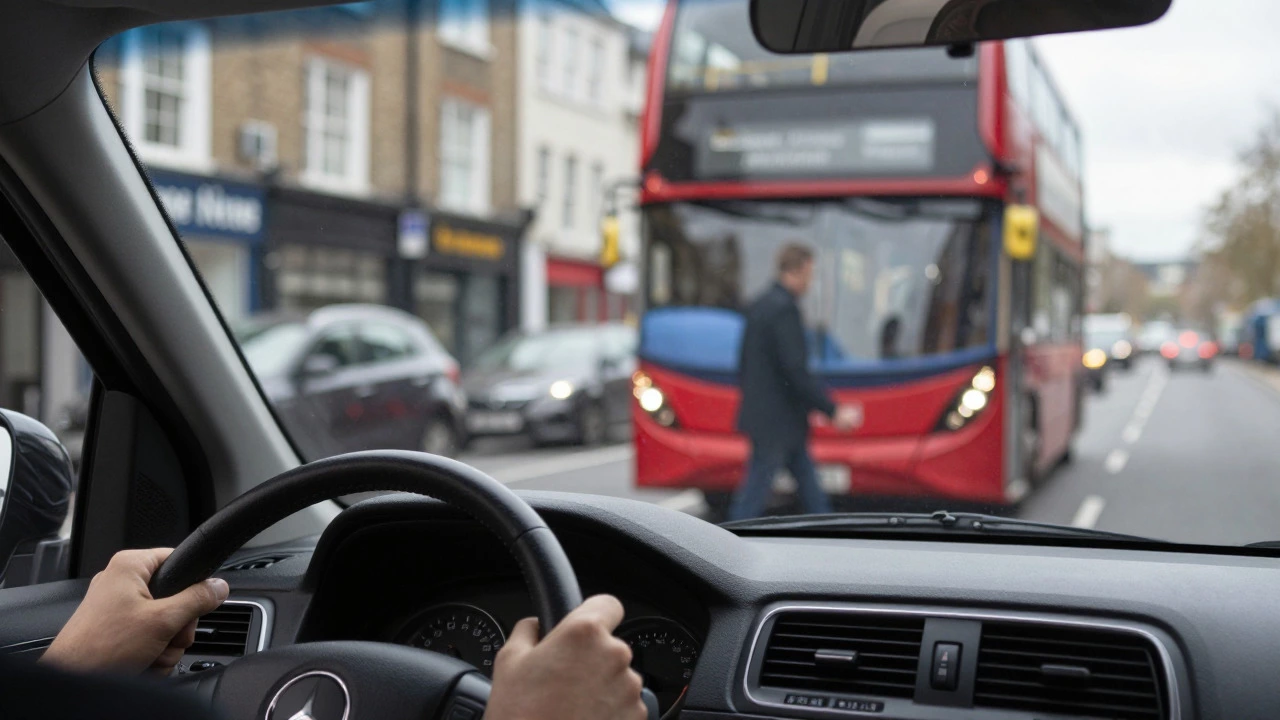
Examiners look for drivers who anticipate danger before it happens. In each scenario below, click on the elements that represent a potential hazard. You have limited time per round!
Your Result
You’ve practiced your gears, you know the route, and you’re feeling confident. But then, the examiner pulls over a parked car or a pedestrian steps out from behind a bus, and suddenly, it’s all gone. Why? Because the most common mistake in a road test isn’t about mechanics-it’s about what happens when things don’t go as planned.
Most candidates fail not because they can’t drive a car, but because they can’t handle the unexpected. Examiners aren’t looking for a robot who follows instructions perfectly; they’re looking for a safe driver who anticipates danger before it becomes an accident. If you focus only on smooth steering and correct signals, you’re missing the real test: your ability to perceive and react to hazards.
The Real Reason Candidates Fail: Hazard Perception
Let’s be clear: the single biggest reason people fail their practical driving exam is poor hazard perception. This doesn’t mean you hit something. It means you failed to see a potential danger early enough to act safely. For example, if a child might run into the street near a school zone, a good driver slows down *before* seeing the child. A failing driver waits until the child is already in the road.
Examiners assess this through "controlling speed" and "maneuvering." These aren't just technical checks-they're proxies for how well you're reading the road. If you're going too fast for the conditions, you've effectively failed to perceive the risk. The DVSA (Driver and Vehicle Standards Agency) reports that over 50% of faults leading to failure are related to observation and judgment, not clutch control or parking precision.
Why We Focus on the Wrong Things
Here’s the trap: we practice what’s easy to measure. Clutch biting point? Easy to drill. Parallel parking? You can repeat it ten times in a quiet lot. But hazard perception is dynamic. It changes with weather, traffic density, time of day, and even the mood of other drivers. So, we neglect it because it feels vague.
This leads to a dangerous mindset: "If I just get the car moving smoothly, I’ll pass." But smoothness without awareness is just reckless confidence. Think of it like cooking. You can chop onions perfectly, but if you don’t watch the pot boiling over, you still burn the house down. Driving is no different. Your hands on the wheel matter less than your eyes on the road.
How Examiners Actually Evaluate You
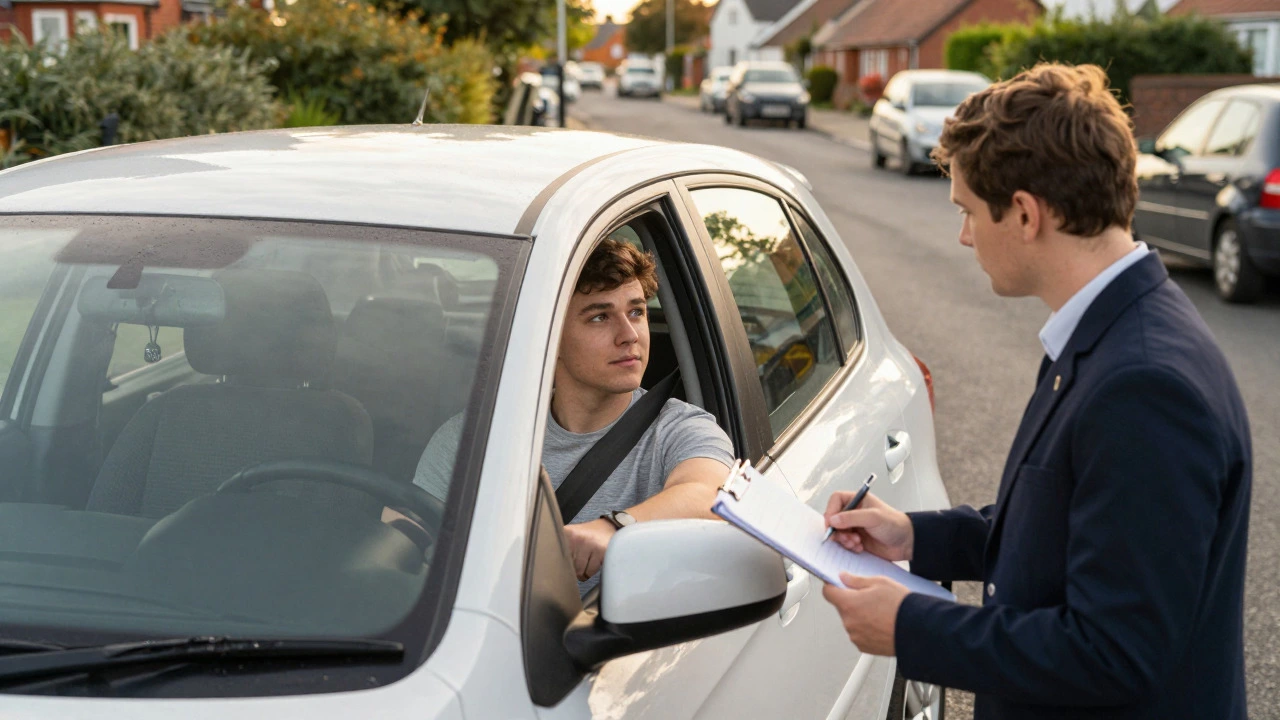
When you sit for your test, the examiner is using a standardized scoring sheet. They look for two types of faults:
- Minor Faults: Small errors that don’t compromise safety (e.g., checking mirrors slightly late). You can have up to 14 minor faults and still pass.
- Serious Faults: Errors that show lack of control or awareness (e.g., misjudging a gap in traffic). One serious fault = fail.
- Dangerous Faults: Actions that could cause an accident (e.g., reversing into a pedestrian). One dangerous fault = immediate fail.
Notice the pattern? Serious and dangerous faults almost always stem from a failure to observe or judge correctly. The examiner isn’t penalizing you for a wobbly gear change unless it causes hesitation that blocks traffic. They’re penalizing you for not seeing the cyclist approaching from the left while you were busy counting your gears.
Practical Strategies to Master Hazard Perception
So, how do you fix this? You need to shift your training focus from mechanical execution to situational awareness. Here’s how:
- Practice the "Sweep": Don’t just glance at your mirrors. Sweep them every 5-8 seconds. Look far ahead, mid-range, and close range. Train yourself to scan continuously, not just when you stop.
- Drive Slower Than Feels Necessary: In unfamiliar areas, drop your speed by 5-10 mph. This gives you more reaction time. If you’re comfortable, you’re probably going too fast for the complexity of the environment.
- Narrate Your Decisions: During practice drives, talk out loud. "I’m slowing down because there’s a school zone," or "I’m checking my blind spot because a van is blocking my view." This forces your brain to connect actions with reasons.
- Simulate Bad Conditions: Practice in rain, fog, or heavy traffic. Hazard perception is harder when visibility is low. If you only drive in sunny, empty streets, you’re unprepared for real-world tests.
Common Scenarios That Trip Up Drivers
Let’s look at three specific situations where hazard perception fails most often:
- Approaching Junctions: Many drivers focus on the traffic light or sign, ignoring vehicles coming from side roads. Always check both directions, even if you have priority. A car might run a red light.
- Parked Cars: Doors can open. Pedestrians can step out. Children can dart between cars. Treat every parked car as a potential hazard. Slow down and prepare to stop.
- Cyclists and Scooters: They move faster than pedestrians but are less visible than cars. Give them extra space. Never assume they’ll stay in their lane. Wind gusts or debris can knock them off course.
The Mindset Shift: From Passing to Being Safe
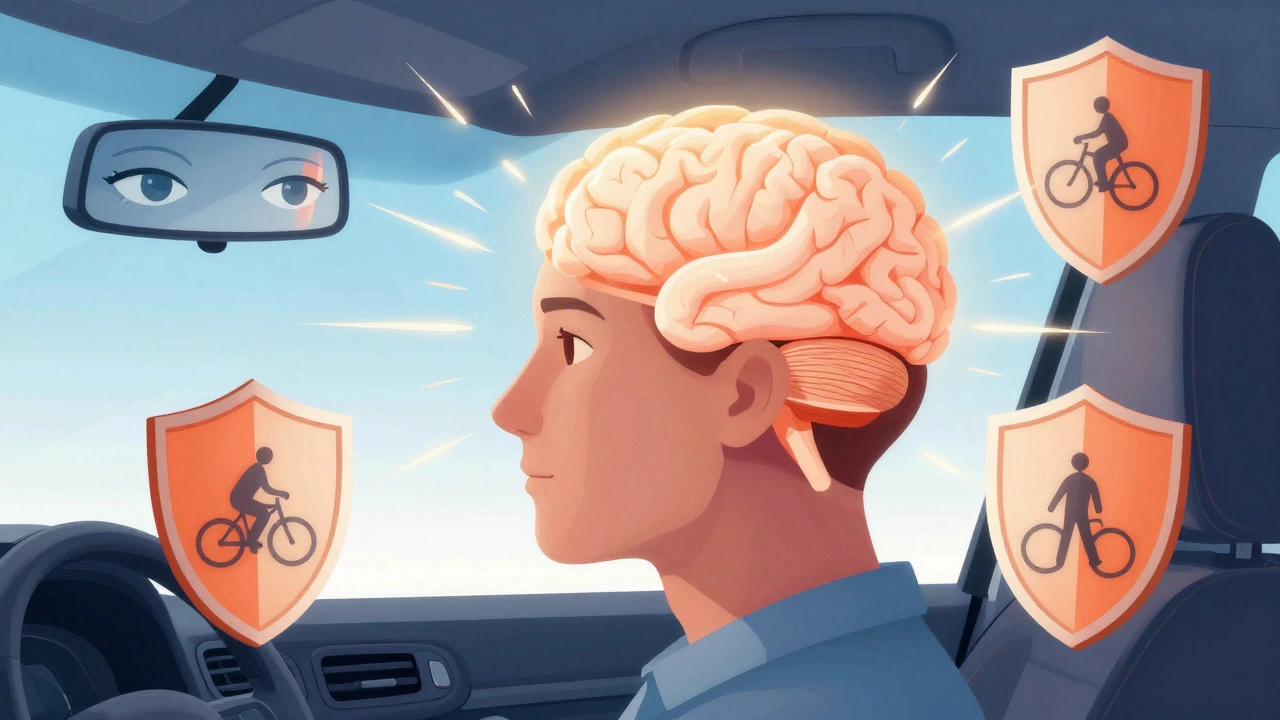
Here’s the secret: when you stop trying to "pass the test" and start trying to "be a safe driver," you naturally pass. The examiner wants to see a person who will keep others safe on the road. They don’t care if you’re perfect; they care if you’re predictable and cautious.
This mindset change also reduces anxiety. When you’re focused on performance, every small mistake feels catastrophic. When you’re focused on safety, small mistakes are just part of learning. You’re not being judged on your perfection-you’re being evaluated on your judgment.
| Mistake Type | Typical Candidate Behavior | Safe Driver Approach | Impact on Score |
|---|---|---|---|
| Hazard Perception | Waits until danger is obvious before reacting | Anticipates potential dangers and adjusts speed/position early | High risk of serious/dangerous fault |
| Mirror Checks | Checks mirrors only when signaling | Continuous scanning every 5-8 seconds | Minor fault if infrequent; serious if ignored during maneuvers |
| Junction Entry | Focuses on own vehicle position | Scans all approaches, yields to unexpected traffic | Serious fault if misjudges gap |
| Parking | Over-focuses on wheels alignment | Uses mirrors and blind spots to ensure no one is nearby | Minor fault if slow; dangerous if hits obstacle |
Final Thoughts: What to Do Before Your Test
In the week before your test, book at least two practice sessions specifically focused on hazard perception. Ask your instructor to point out hazards before you see them. Then, try to identify them yourself next time. This active recall builds the neural pathways you need on test day.
Remember: the examiner isn’t your enemy. They’re a safety net. Their job is to make sure you won’t hurt anyone else on the road. If you approach the test with that mindset-cautious, observant, and prepared-the most common mistake will never happen to you.
What is the most common reason for failing a driving test?
The most common reason is poor hazard perception, which leads to serious or dangerous faults. This includes failing to observe potential dangers early enough, such as pedestrians, cyclists, or other vehicles entering your path unexpectedly.
How many faults can you have and still pass?
You can have up to 14 minor faults and still pass, provided you have no serious or dangerous faults. One serious fault results in a fail, and one dangerous fault results in an immediate fail.
Does the type of car affect my chances of passing?
Not significantly, as long as you practice in a similar vehicle. The key factors are your skill level, familiarity with the car's controls, and your ability to perceive hazards. Automatic cars may reduce stress for some learners, but manual transmission requires additional coordination.
Should I arrive early for my driving test?
Yes, arrive 15-20 minutes early. This allows time to register, meet the examiner, and settle your nerves. Arriving late can cause stress and may result in a delay or cancellation if you're more than 10 minutes late.
What should I wear to my driving test?
Wear comfortable clothes and flat shoes that allow you to operate the pedals easily. Avoid loose clothing that could interfere with the steering wheel or pedals. Comfortable attire helps you focus on driving rather than physical discomfort.