
Driving Lesson Clothes: What to Wear for Your HGV Training
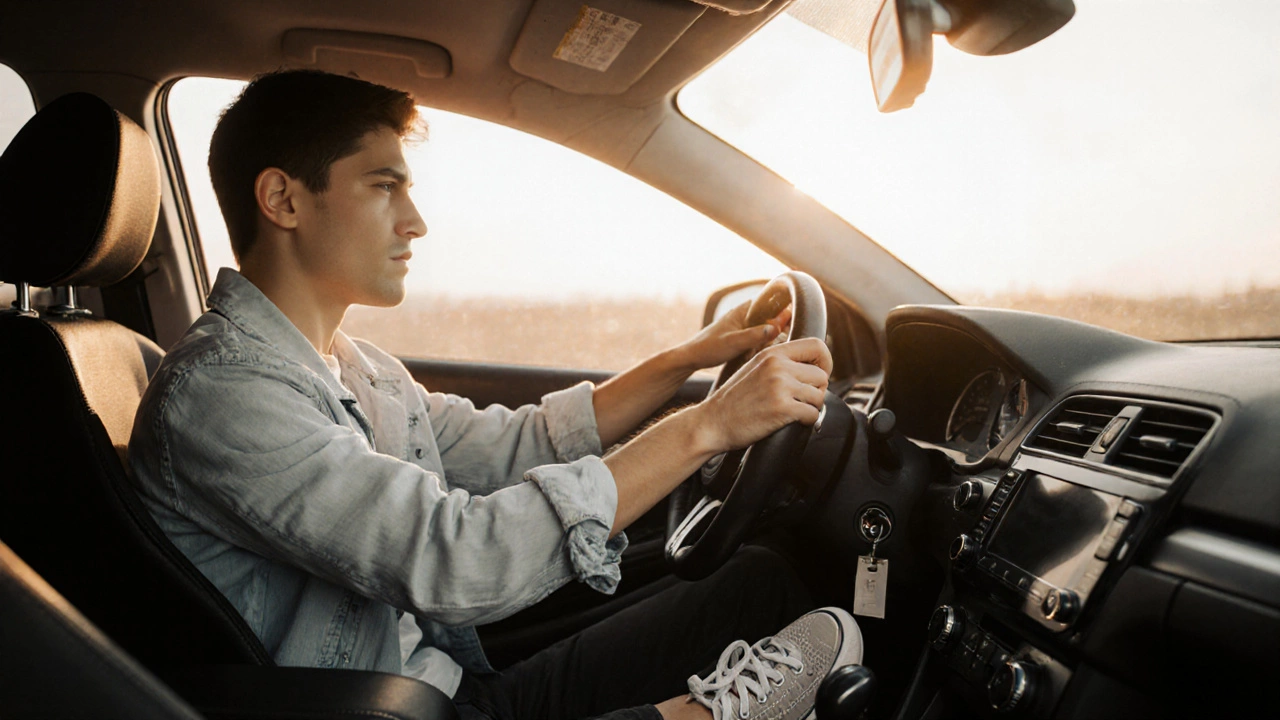
When you're learning to drive an HGV, your driving lesson clothes, the outfit you choose for your training session. It's not just about looking neat—it directly affects how well you can feel the pedals, turn the wheel, and see your mirrors. A loose jacket, bulky boots, or tight jeans can slow your reactions, block your movement, or even cause you to miss a critical detail during your test. This isn’t guesswork. Examiners notice when a learner struggles with basic controls because of their clothing, and it’s one of the easiest things to fix before you even start the engine.
Think about the HGV training attire, specific clothing designed for heavy vehicle operation. You’re not driving a small car—you’re handling a 44-tonne vehicle with blind spots, air brakes, and complex gear changes. Your clothes need to let you move freely without snagging on levers or muffling the sound of the air compressor. Flat-soled shoes are non-negotiable. No trainers with thick soles, no hiking boots, no high heels. Think thin, flexible soles that let you feel the pedal pressure. A fitted long-sleeve shirt keeps your arms protected from the steering wheel and mirror edges. Avoid hoodies with drawstrings—they can get caught in the door or seatbelt mechanism.
Your driving test outfit, the clothing you wear on your official practical exam should match your training gear. There’s no dress code written in law, but every experienced instructor knows what examiners look for: control, awareness, and professionalism. If you show up in baggy cargo pants and chunky boots, it raises a red flag—even if you drive perfectly. The examiner isn’t judging your style, but they are judging your readiness. If you can’t manage your own clothing, how will you manage a 7.5-tonne lorry in heavy traffic?
It’s not just about comfort. It’s about safety. A loose scarf near the gearstick? A dangling necklace near the ignition? These aren’t just annoyances—they’re distractions that could cost you the test. And if you’re training in winter, don’t just throw on your heaviest coat. Layer up with a thin thermal underneath and a snug, sleeveless vest over your shirt. That way, you stay warm without losing mobility.
What you wear on your driving lesson clothes sends a message—to your instructor, to the examiner, and to yourself. It says whether you’re treating this seriously or just going through the motions. The right outfit doesn’t make you a better driver overnight, but it removes one more barrier between you and passing. You’ve already put in the hours. Don’t let your clothes be the reason you fail.
Below, you’ll find real advice from learners who passed—and those who didn’t—on what worked, what didn’t, and what they wish they’d known before their first lesson. From footwear to weather gear, these posts cut through the noise and give you the facts you need to get dressed for success.
- November 27 2025
- 0 Comments
- Rowan Cavendish
What to Wear for a Driving Lesson: Comfort, Safety, and Confidence
What you wear for a driving lesson affects your control, comfort, and safety. Learn the best clothing choices for pedals, steering, and visibility-no flip-flops, no bulky coats.
- Driving Lessons (47)
- Driving Test Tips (35)
- HGV Training (33)
- Driving Test Booking (28)
- Driving Licence Renewal (27)
- Driving Theory Test (23)
- Intensive Driving Course (23)
- Pass Plus Course (15)
- Driver Licensing (15)
- Driving Tips (15)
Categories
- March 2026 (13)
- February 2026 (9)
- January 2026 (13)
- December 2025 (15)
- November 2025 (13)
- October 2025 (21)
- September 2025 (5)
- August 2025 (8)
- July 2025 (30)
- June 2025 (30)
- May 2025 (30)
- April 2025 (31)
Archives
- driving lessons
- driving test
- driving tips
- intensive driving course
- driving test tips
- HGV training
- driving theory test
- learn to drive
- driver training
- pass driving test
- driving test booking
- HGV driving
- road safety
- Virginia driving test
- driving license renewal
- Virginia driver's license
- learner drivers
- safe driving
- driving license
- learning to drive