
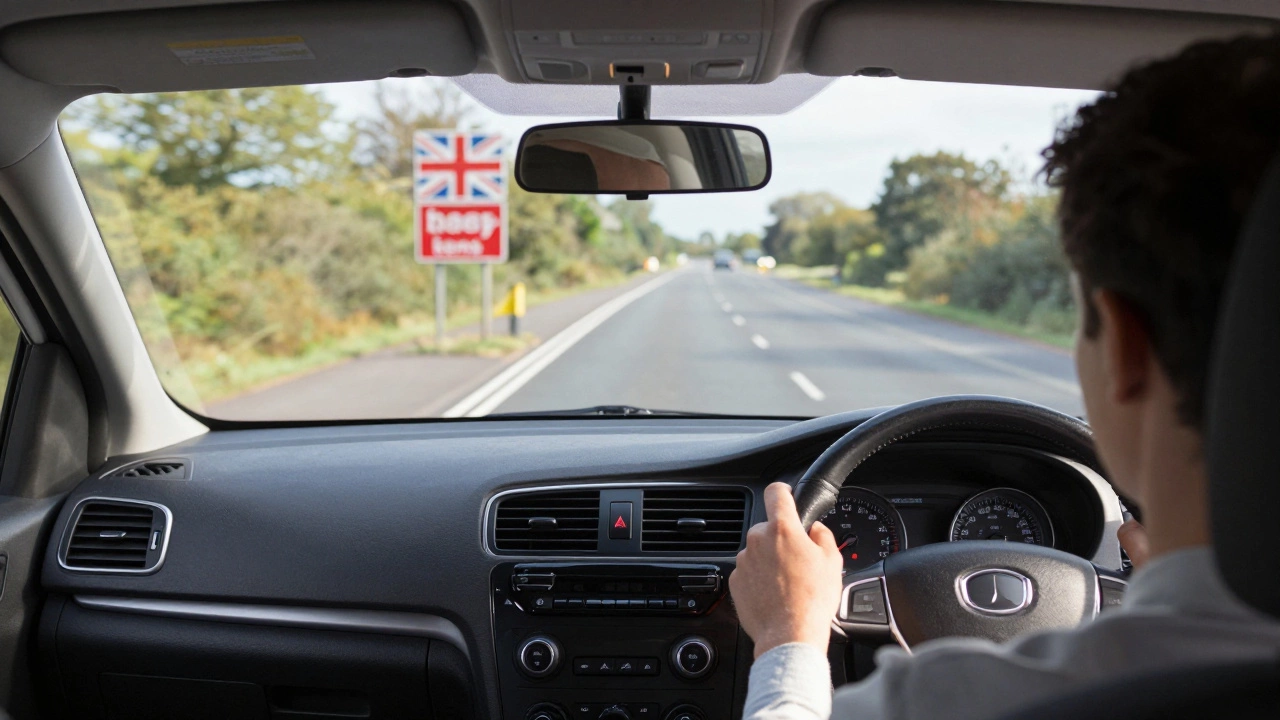
Driving Test Readiness Checker
Be honest with yourself. Compare your current habits against the "Test-Ready" standard to see where you stand.
Check occasionally or when prompted by instructor.
Consistent, rhythmic checks before every action.
Generally stays within limits, sometimes needs adjusting.
Precise control, reacts early to speed changes.
Sees the hazard and reacts in time.
Anticipates the hazard and adjusts early.
Easily flustered or panicked by mistakes.
Acknowledges mistakes and recovers calmly.
Your Readiness Profile
Action Plan:
Key Takeaways for First-Time Success
- Prioritize the passing driving test first time mindset by treating every lesson like a real exam.
- Master the Driving Theory Test early to build a foundation of road rules.
- Use mock tests to identify and kill bad habits before the examiner sees them.
- Focus on "cockpit drills" and observation patterns to eliminate silly mistakes.
- Manage nerves through breathing and positive visualization.
The Foundation: Why the Theory Test Actually Matters
Many learners treat the Driving Theory Test as a hurdle to jump over before the "real" learning starts. That's a mistake. The theory test isn't just about remembering signs; it's about understanding the logic of the road. When you understand the "why" behind a rule, you stop second-guessing yourself during the practical exam.
For instance, understanding the physics of braking distances-knowing that doubling your speed quadruples your stopping distance-changes how you approach a 40mph zone. If you've crammed for the test and passed by luck, you'll likely struggle with the "show me, tell me" questions during the practical. These questions aren't just trivia; they prove you're a safe driver who understands the vehicle's mechanics. A student who genuinely grasps theory tends to be more confident and less likely to panic when an unexpected hazard appears.
The Secret of the "Test-Ready" Standard
There is a massive difference between being "able to drive" and being "test-ready." You might be perfectly safe for a trip to the shops, but if you're still relying on your instructor to prompt you to check your mirrors, you aren't ready. The examiner isn't looking for a perfect drive-they're looking for a safe drive. They want to see that you are consistently aware of your surroundings without being told.
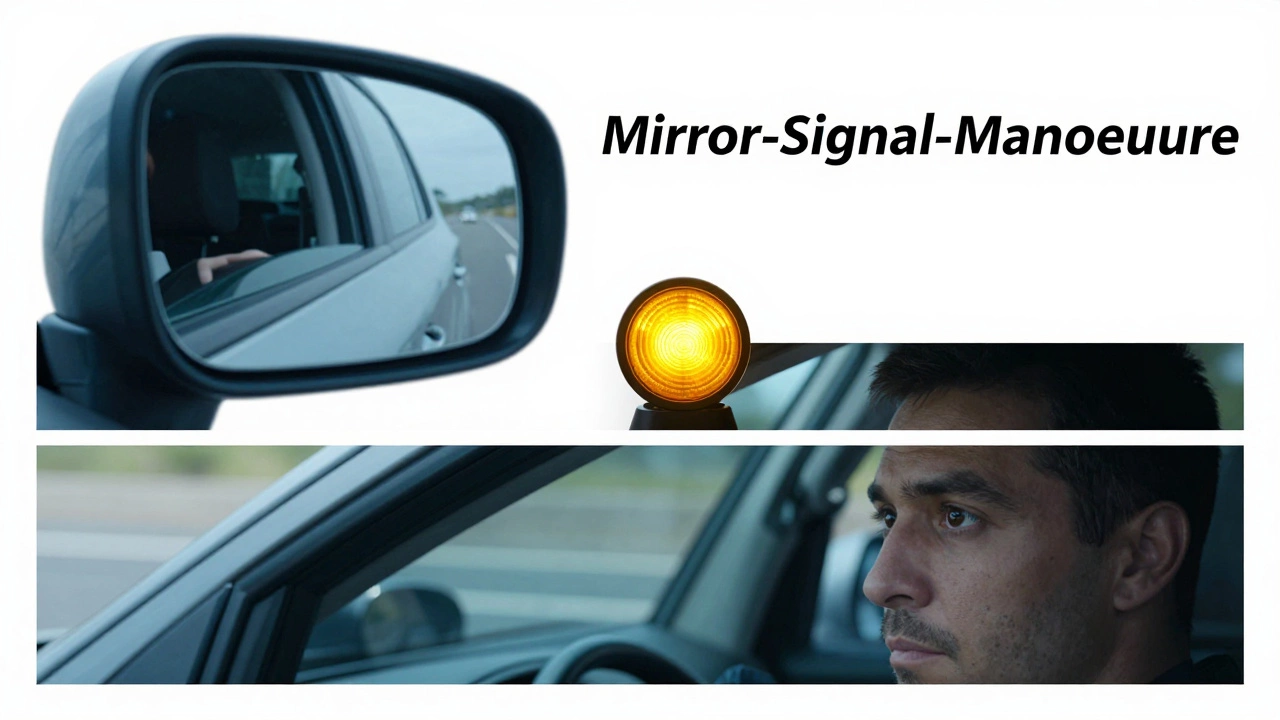
One of the biggest killers of first-time passes is the "mirror-signal-manoeuvre" sequence. People often signal before checking their mirrors, or they forget to check the interior mirror before braking. To fix this, you need to build a mental checklist. Every time you slow down, your brain should automatically trigger: "Mirror, Signal, Brake." If you do this every single time in your lessons, it becomes muscle memory. By the time you hit the test center, you won't have to think about it; you'll just do it.
| Attribute | Able Driver | Test-Ready Driver |
|---|---|---|
| Mirror Checks | Checks occasionally or when prompted | Consistent, rhythmic checks before every action |
| Speed Control | Generally stays within limits | Precise control, reacts early to speed changes |
| Hazard Perception | Sees the hazard and reacts | Anticipates the hazard and adjusts early |
| Nerve Management | Easily flustered by mistakes | Acknowledges mistakes and recovers calmly |
Mastering the Maneuvers and Common Pitfalls
Parallel parking and reversing into a bay are where most people think they'll fail. In reality, the maneuvers are rarely the primary cause of failure; it's the lack of observation during the maneuver that does it. You can park the car perfectly, but if you don't look over your shoulder and check for pedestrians or other cars, it's an automatic fail.
A common mistake is the "blind spot" error. We all know we should check the blind spot, but in the heat of the moment, many learners forget. Try this: imagine there is a tiny, invisible person standing exactly where your mirror can't see. Your goal is to physically turn your head to find them. If you make this a game during your practice, you won't forget to do it when the examiner is sitting next to you. Also, be wary of the "curb-mounting" panic. If you hit the curb slightly, don't give up. As long as you don't mount the curb or cause a dangerous situation, you can still pass.
Dealing with the Mental Game
You can be the best driver in your city, but if your brain freezes because of anxiety, it doesn't matter. The "first-time jitters" are real. The key is to realize that the examiner isn't there to fail you; they're there to ensure you're safe. They are professional observers, not judges of your character.
One effective technique is the "Narrative Driving" method. During your final practice sessions, talk through your actions out loud. Say, "I'm checking my mirror, I see a pedestrian waiting to cross, so I'm slowing down now." This forces your brain to stay present and prevents the "autopilot" mode where you accidentally miss a stop sign. On the actual test, you don't need to narrate everything, but a few well-placed comments like "I've seen that sign, I'm slowing down for 30" can let the examiner know you're aware of the environment, even if you aren't doing something obvious.
Building a Final Preparation Checklist
The last two weeks before your test should be about refinement, not learning new skills. If you're still struggling with a round-about, you're not ready. Use this time to simulate the test environment. If possible, book a Mock Test with a different instructor. This mimics the feeling of being judged by a stranger, which is very different from the comfortable relationship you have with your regular teacher.
Ensure you have your paperwork in order. Check your Provisional Licence expiry and make sure you know exactly where the test center is. Driving to the center a few days before the test helps remove the fear of the unknown. When you arrive, take a few deep breaths, double-check your mirrors, and remember that a mistake doesn't always mean a fail. Many people have had a "minor" fault-like stalling once-and still walked away with their license.
Can I still pass if I stall the car?
Yes, stalling is usually recorded as a minor fault. It only becomes a major (and failing) fault if you stall in a dangerous position, cause another driver to swerve, or fail to recover the car safely. The key is to stay calm, restart the engine, and check your surroundings before moving off again.
What is the most common reason for failing the first time?
The most frequent cause is "Minor/Serious faults" related to observation and junctions. This includes pulling out in front of other road users or failing to observe pedestrians. Many learners focus too much on the car's controls and forget to keep their eyes moving and scanning the road.
How many lessons do I need to pass first time?
There's no magic number. While the DVSA average is around 45 hours of professional instruction, some people pass in 30 and others need 70. The real metric is whether you can consistently complete a 40-minute drive without any "serious" faults for three tests in a row.
Should I take the test in an automatic or manual car?
If your priority is passing the first time, an automatic car removes the stress of gear changes and stalling. However, keep in mind that passing in an automatic means you cannot legally drive a manual car. If you don't plan on driving a manual, the automatic route is often faster and less stressful.
What do I do if I feel a panic attack coming on during the test?
If you feel overwhelmed, remember that you are in control of the vehicle. Take a slow, deep breath. If you've made a mistake, don't dwell on it; focus entirely on the next 10 yards of road. Your goal is to get back to a steady rhythm. The examiner is looking for how you handle the situation, and a calm recovery can actually show maturity.
Next Steps and Troubleshooting
If you've just failed, don't beat yourself up. Many of the safest drivers on the road failed their first attempt. Use the examiner's report as a roadmap. Don't just look at the "Fail" mark; look at the specific faults. If you failed on "Junctions," spend your next three lessons doing nothing but junctions. If you failed on "Observation," ask your instructor to call out every time you miss a mirror check.
For those who are still struggling with nerves, consider an intensive driving course to immerse yourself in the experience or a few sessions with a specialist in test-anxiety. The gap between a fail and a pass is often just a few hours of focused practice on one or two specific weaknesses. Keep your momentum going; don't leave a gap of several months between your fail and your next attempt, or you'll lose the muscle memory you worked so hard to build.