
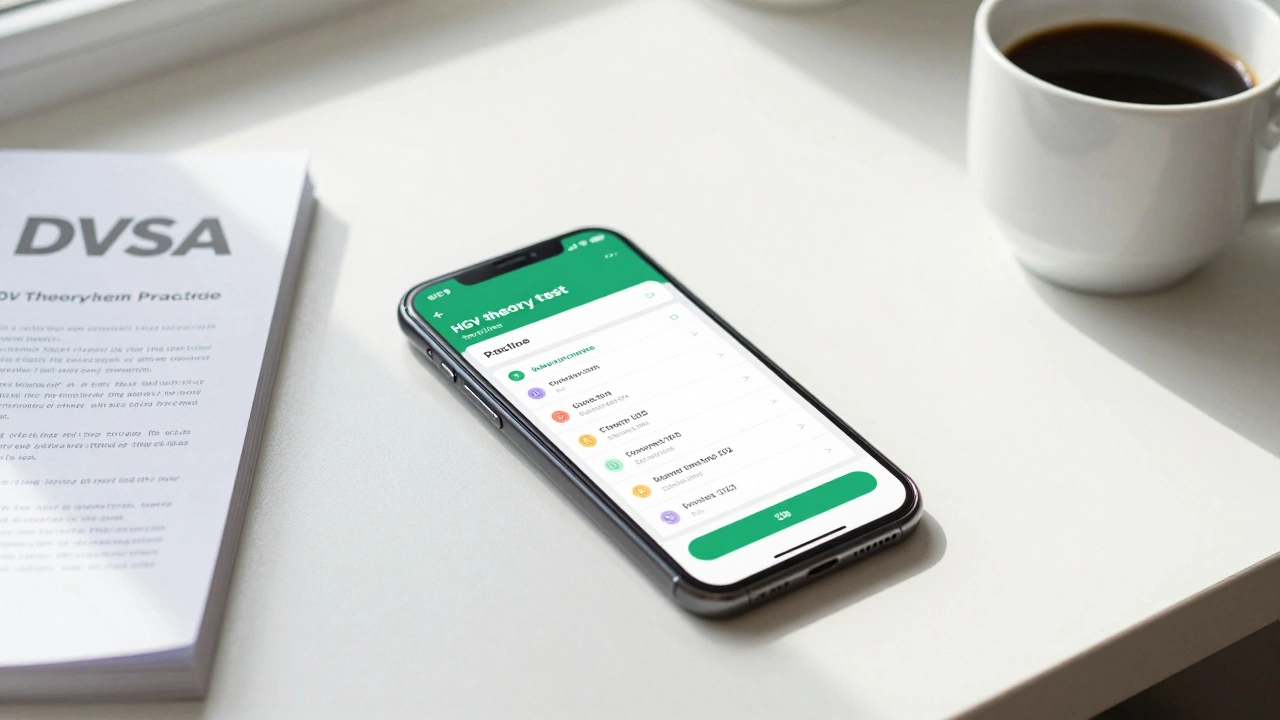
HGV Theory Test Readiness Checker
Check off your progress to see if you are ready for the real exam. Based on the guide's "Final Week" checklist.
Preparation Checklist
Your Readiness Score
Quick Takeaways for Success
- The test isn't about intelligence; it's about memory and pattern recognition.
- Hazard perception is where most people trip up, not the multiple-choice part.
- Case studies require you to synthesize information, which is a different skill than rote learning.
- Using a dedicated app is significantly more effective than just reading the handbook.
- Consistency beats cramming every single time.
Breaking Down the Test Components
To understand why some find it difficult, you have to look at what's actually on the screen. You aren't just answering "what does a red light mean?" You're dealing with technical specifications and legal mandates that apply only to big trucks.First, you have the multiple-choice questions. These cover everything from vehicle weights to tachograph rules. For example, you need to know exactly how many hours you can drive before you must take a break. A mistake of just 15 minutes in your answer can mean the difference between a pass and a fail. This is where HGV theory test preparation becomes critical; you need to memorize specific numbers and regulations.
Then there are the case studies. These are short scenarios-like a delivery driver facing a road closure with a tight deadline. You'll be asked a series of questions based on that specific situation. The "hardness" here comes from the fact that the answer isn't always a simple fact; it's often about the safest and most legal way to handle a professional dilemma.
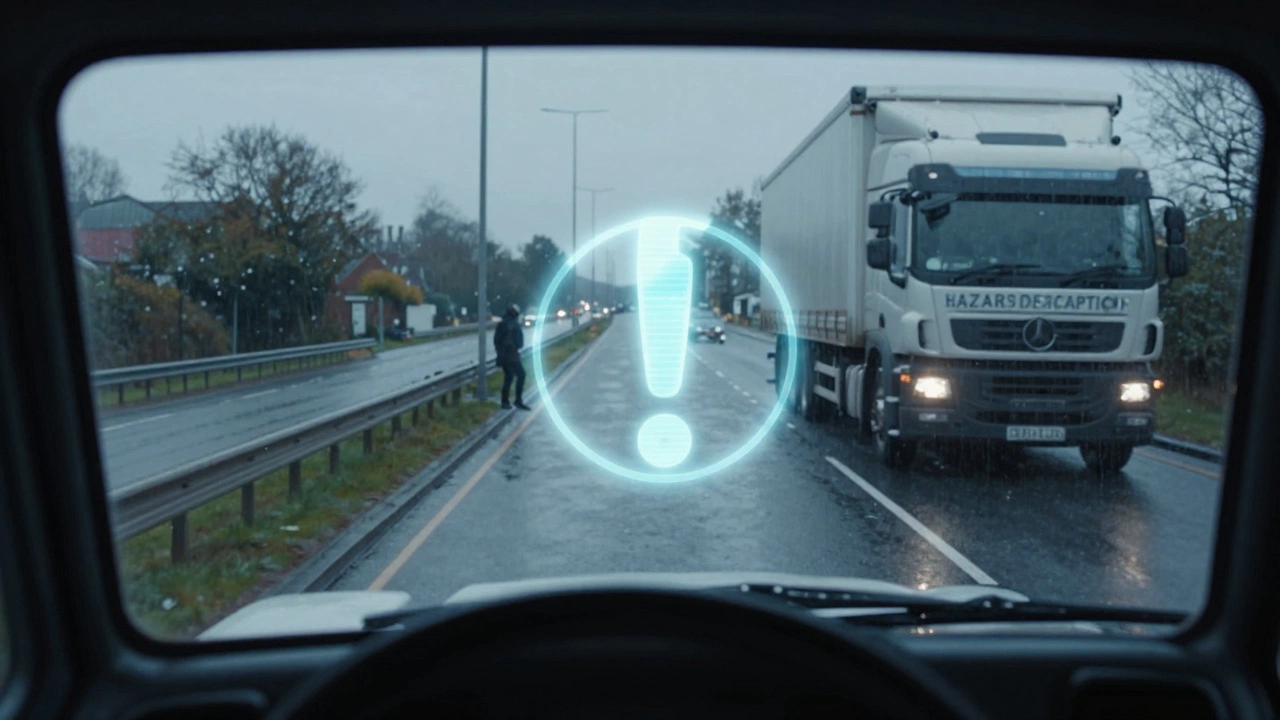
Finally, there's hazard perception. This is a series of video clips where you have to click when you see a developing hazard. The trick is timing. Click too early, and the computer thinks you're guessing. Click too late, and you've missed the window. It's a game of anticipation that requires a very specific rhythm.
Why Some People Struggle (and How to Avoid It)
Most failures happen because of a mismatch in study habits. Many drivers are hands-on learners-they want to be in the cab, not staring at a tablet. When they try to pass by just reading the Highway Code, they realize too late that the HGV test covers much more specialized territory.Take the DVSA guidelines on load security. You have to understand how different types of cargo shift and how to secure them using specific equipment. If you've never worked in a warehouse or on a dock, this information feels foreign and academic, which makes it feel "hard." The solution is to visualize these scenarios. Instead of memorizing a list of straps, imagine you are securing a pallet of bricks on a windy day. Turning a fact into a mental image makes it stick.
Another common pitfall is overthinking the hazard perception clips. I've seen people fail because they clicked every time a pedestrian moved an inch. The test looks for "developing" hazards-things that will actually force you to change speed or direction. If a person is walking on a sidewalk far away, they aren't a hazard yet. When they step toward the curb, that's when you click.
| Component | Difficulty Level | Key Challenge | Best Study Method |
|---|---|---|---|
| Multiple Choice | Medium | Memorizing legal limits/numbers | Flashcards & App Quizzes |
| Case Studies | Medium/High | Applying rules to scenarios | Reading real-world examples |
| Hazard Perception | High | Timing the 'click' perfectly | Repeated video practice |
The Secret to Passing on the First Attempt
If you want to avoid the stress of a re-test, you need a system. You can't just wing it. The most successful candidates I know use a three-pronged approach: simulated testing, active recall, and time management.Simulated testing means using an app that mimics the actual DVSA theory test interface. Why? Because anxiety can make you freeze. If the first time you see that layout is on test day, you're wasting mental energy on the software instead of the questions. When you've done 50 mock tests on your phone, the real exam feels like just another practice round.
Active recall is where you test yourself before you're ready. Don't just read the book and think, "Yeah, I know that." Close the book and try to explain the rules of driver hours to an imaginary student. If you stumble, you don't actually know the material. This is far more effective than passive reading.
Time management during the test is also a hidden factor. In the multiple-choice section, don't get bogged down by one tricky question. Flag it, move on, and come back to it at the end. Often, a later question will give you a hint or a reminder that helps you solve the one you skipped.
Connecting the Theory to the Road
It's easy to view the theory test as a boring academic exercise, but everything in that test is designed to keep you and others alive. When you study Driver CPC (Certificate of Professional Competence) materials, you're learning about the physics of a vehicle that can weigh up to 44 tonnes. A small mistake in a car is a fender-bender; a small mistake in an HGV can be catastrophic.Think about braking distances. A car might need 30 meters to stop from a certain speed, but a fully loaded truck might need over 100 meters. Understanding this theoretical number is why the test asks you about gap intervals. When you realize that the theory test is actually a survival guide, it becomes less of a chore and more of a professional tool.
This connection also helps with the case studies. When the test asks how to handle a narrow bridge, don't think about the "correct answer" for the test. Think about the physical reality of your truck's width and the potential for a collision. By shifting from a "student" mindset to a "professional driver" mindset, the answers become intuitive rather than memorized.
Practical Checklist for Your Final Week
As you approach your test date, stop trying to learn new things and start refining what you already know. Use this checklist to ensure you're ready:- Mock Tests: Have you scored 90% or higher on at least five consecutive mock exams?
- Hazard Timing: Do you understand the "three-click method" (clicking once, then twice more as the hazard develops) to ensure you hit the scoring window?
- Technical Terms: Can you explain the difference between a tachograph and a telematics system without looking at notes?
- Legal Limits: Do you have the driver hour rules (e.g., 4.5 hours driving, 45-minute break) committed to memory?
- Logistics: Do you know exactly where the test center is and what ID you need to bring?

Common Misconceptions About the Test
One of the biggest myths is that the test is designed to trick you. It isn't. The DVSA wants qualified drivers on the road, not to fail people for the sake of it. The questions are clear; the only "tricks" are usually poorly phrased questions that you've misread because you were rushing.Another misconception is that if you've driven a van for ten years, you don't need to study. This is a dangerous assumption. Van driving is vastly different from HGV driving. The weight distribution, the air brake systems, and the legal requirements for resting are entirely different. Many experienced van drivers fail the HGV theory test because they rely on their current habits, which are often wrong for a larger vehicle.
How long does it take to study for the HGV theory test?
For most people, 2 to 4 weeks of consistent study is enough. This depends on how much time you can dedicate daily. If you spend one hour a day using a high-quality app and reviewing the handbook, you'll usually be ready within a month. Avoid cramming the night before, as the volume of technical data is too high to absorb in one go.
What happens if I fail the theory test?
If you fail, you don't have to retake the entire thing if you passed one part. For example, if you passed the multiple-choice but failed the hazard perception, you only need to redo the hazard perception part. You can book a new test as soon as the current one is processed, but it's wise to spend a week focusing specifically on the area where you failed before trying again.
Is the hazard perception part the hardest?
Statistically, yes. Many candidates find it the most frustrating because it's about timing and intuition rather than just facts. The key is to realize that the computer is looking for a specific window of time. Practicing with a variety of clips helps you recognize the pattern of how a hazard "develops" from a potential danger into a real one.
Do I need to take the theory test before the practical?
Yes, you must pass the theory test before you can take your practical driving test for a Category C or C+E licence. You cannot book your practical test until the DVSA has a record of your theory pass. This ensures that you have the basic safety and legal knowledge before you get behind the wheel of a heavy vehicle.
Are there any tips for the case study section?
Read the scenario twice. The first time, just get the gist of the situation. The second time, look for the specific constraints (e.g., the weight of the load, the time of day, or road signs). The case study questions often rely on a detail mentioned in the first paragraph that you might forget by the time you get to the third question. Keep the scenario in mind for every answer.
Next Steps for New Drivers
Once you've nailed the theory, the real challenge begins. Don't let the momentum stop. The transition from the screen to the steering wheel is where the theory actually becomes useful. When you start your practical lessons, keep your theory notes handy. When your instructor explains why you need to take a wider swing at a junction, you'll remember the theory about vehicle dimensions and pivoting points, and the lesson will click much faster.If you're struggling with a specific part of the test, look for local HGV training centers that offer "theory workshops." Sometimes hearing a professional driver explain a concept in person is more helpful than reading it in a book ten times. Also, join online forums for HGV drivers; they often share the specific types of questions that are currently appearing in tests, which can give you a final edge in your preparation.