
California Driving Training Eligibility Checker
Determine Your Training Needs
California law requires specific training for driver's licenses. Answer a few questions to see if you need behind-the-wheel training.
When you’re 16 in California and dreaming of hitting the open road, one question keeps popping up: Is behind-the-wheel training required? The answer isn’t just yes-it’s non-negotiable. If you want your learner’s permit to turn into a real driver’s license, you can’t skip this part. No shortcuts. No exceptions. Not even for kids who’ve been riding in the passenger seat since they were five.
What Exactly Is Behind-the-Wheel Training?
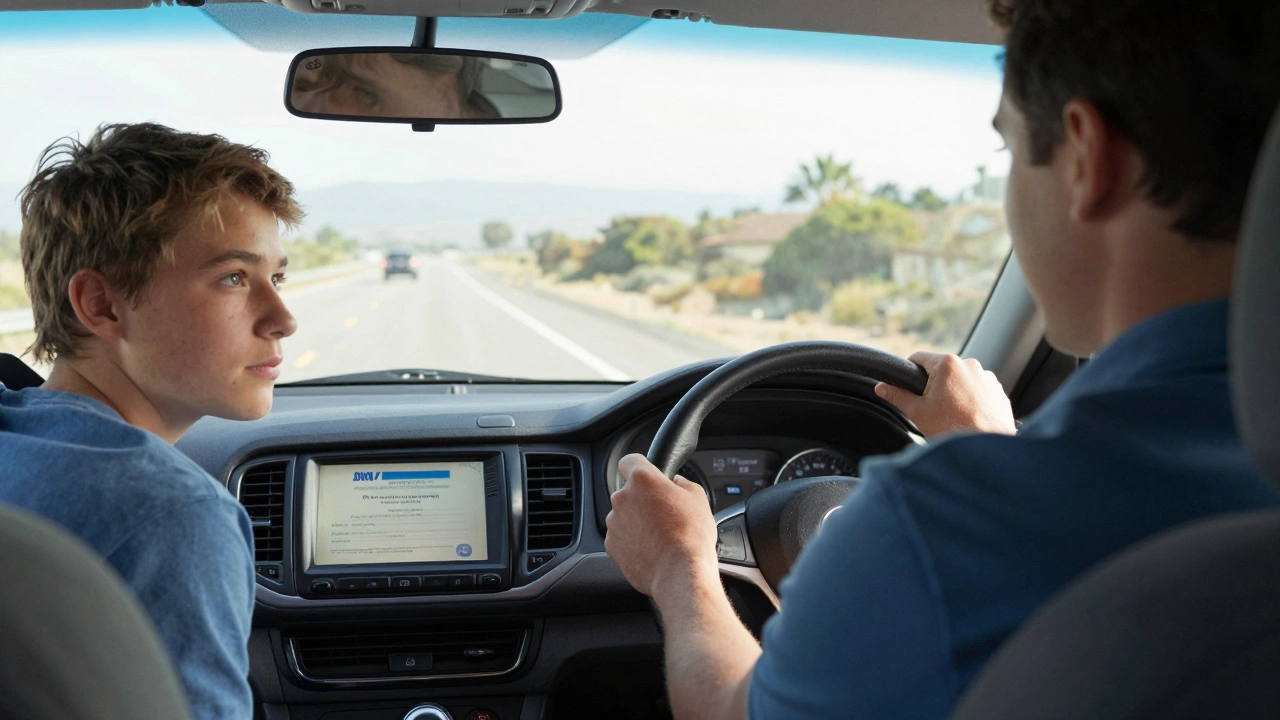
Beyond the written test and the hours of practice with a parent, California law demands formal behind-the-wheel instruction. This isn’t just about learning how to turn or park. It’s a structured course taught by a licensed driving instructor, covering everything from highway merging to handling rain-slicked roads. The state requires at least six hours of this professional training before you can even schedule your driving test.
Think of it like this: you wouldn’t let someone fly a plane after reading a manual. Driving a car on public roads is just as dangerous if done without proper guidance. The DMV knows this. That’s why they don’t just trust parents-even well-meaning ones-to teach everything.
Who Needs It?
If you’re under 18, you’re required to complete both a classroom driver education course and the six hours of behind-the-wheel training. The two go hand-in-hand. You can’t do one without the other. The classroom part covers traffic laws, signs, and safe driving habits. The behind-the-wheel part? That’s where you actually drive.
But what if you’re 18 or older? Do you still need it? Technically, no. California doesn’t require behind-the-wheel training for adult learners. But here’s the catch: if you’ve never driven before, skipping this step is like trying to bake a cake without knowing how to turn on the oven. Most driving schools still recommend it. And if you fail your DMV road test? You’ll likely end up taking it anyway.
How Does It Work?
The state-approved behind-the-wheel program runs in 1-hour sessions, usually over multiple days. Each student gets one instructor and one car. You’ll spend time practicing in neighborhoods, on local roads, and eventually on highways. The instructor doesn’t just watch-they guide you. They correct your steering, your mirror checks, your speed choices. They also teach you how to handle emergencies: a tire blowout, a skid, or a pedestrian suddenly stepping into the street.
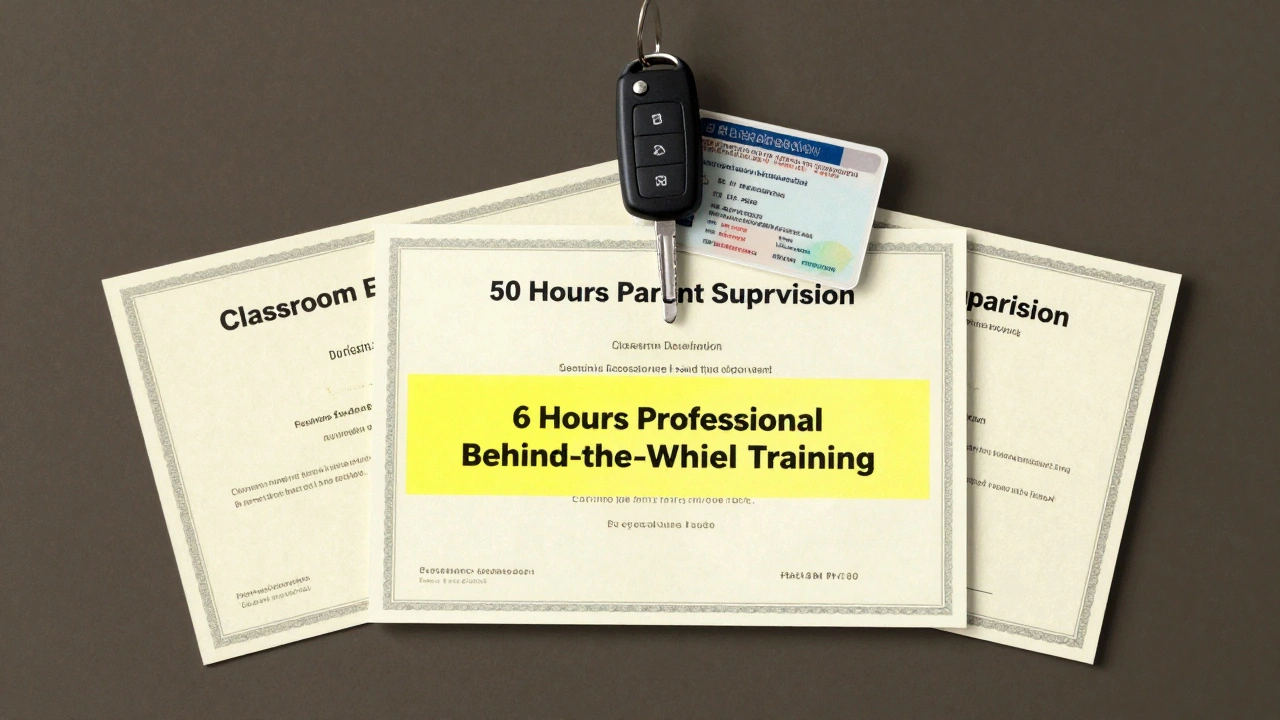
After each session, the instructor logs your hours into the DMV’s system. You’ll get a certificate (DL 400B) that proves you’ve completed the six hours. You must bring this to your driving test. No certificate? No test. Simple as that.
Where Can You Do It?
You can’t just pick any driving instructor. The state only recognizes those who are licensed by the DMV. These are usually offered through:
- Private driving schools
- High schools with approved programs
- Community colleges offering driver education
Some schools bundle the classroom and behind-the-wheel parts into one package. Others let you do them separately. Either way, make sure the school is listed on the DMV’s official website. Unlicensed instructors can’t log your hours, and you’ll waste your time-and money.
What If You Skip It?
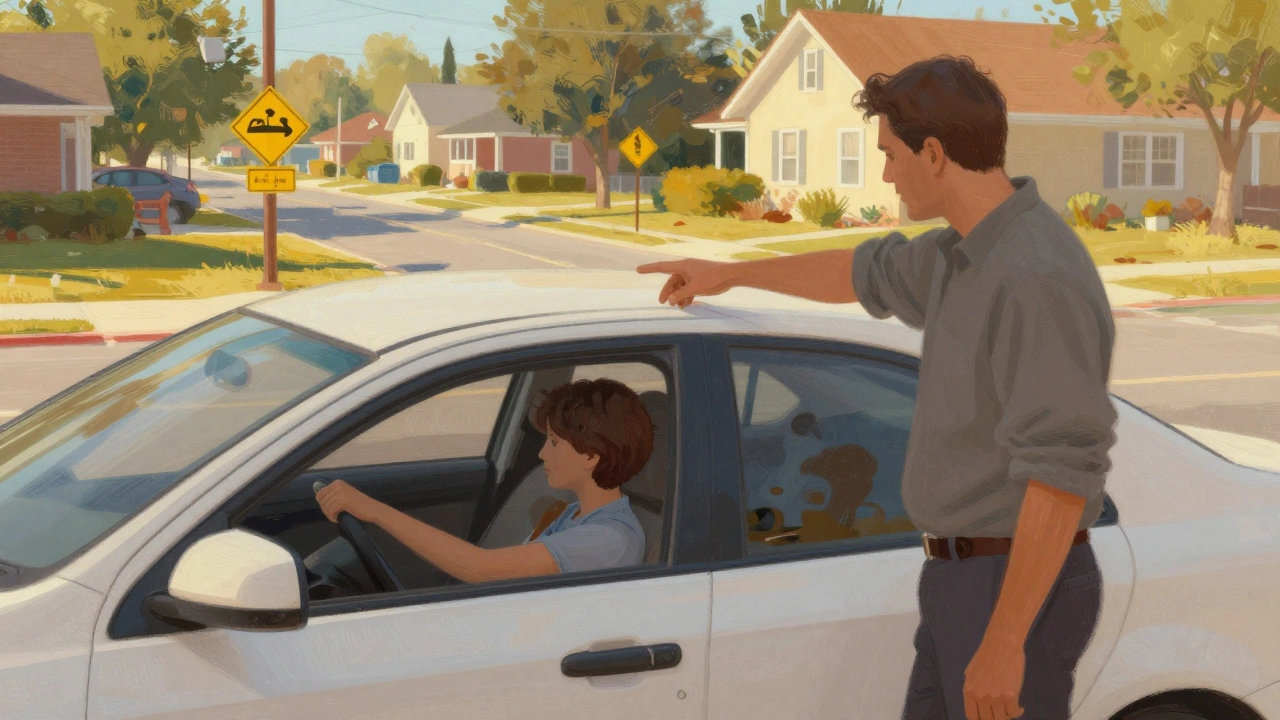
If you’re under 18 and skip the behind-the-wheel requirement, you won’t be allowed to take the DMV road test. You’ll be stuck with your learner’s permit indefinitely. You can drive with a licensed adult over 25, but you can’t get your license. That means no driving alone to school, no job interviews, no road trips with friends.
And here’s something most teens don’t realize: skipping this training doesn’t save money. It costs more in the long run. People who skip formal training often fail their first road test. Then they have to pay again for another attempt. Some end up needing extra lessons anyway. The six hours? It’s the cheapest insurance you’ll ever buy.
What’s Covered in the Six Hours?
It’s not just “drive around the block.” The DMV sets clear guidelines for what instructors must teach:
- Starting and stopping smoothly
- Using mirrors and checking blind spots
- Changing lanes safely
- Navigating intersections and roundabouts
- Driving on highways and freeways
- Reacting to pedestrians, cyclists, and school zones
- Handling adverse weather conditions
Each hour is designed to build confidence and competence. Instructors use checklists to track your progress. They’re not grading you-they’re preparing you. And they’ll tell you exactly where you’re weak. Most students don’t realize how many bad habits they’ve picked up from watching their parents drive.
What About Parent-Taught Driving?
California lets parents teach their teens 50 hours of supervised driving (including 10 hours at night). But this doesn’t replace the six hours of professional training. It supplements it. You still need the instructor. The DMV doesn’t trust parent-led instruction alone. Why? Because parents aren’t trained. They might teach you how to drive like they did in 1995, not how to drive safely today.
Plus, the six hours gives you a neutral third party. A professional instructor won’t get frustrated when you stall on a hill. They won’t yell when you forget your turn signal. They’ll just reset and try again. That’s the difference.
How Much Does It Cost?
Prices vary depending on the school and location. In urban areas like Los Angeles or San Francisco, expect to pay between $150 and $300 for the full six-hour program. Rural areas might be cheaper-sometimes under $100. Some schools offer discounts if you sign up for the full driver education package (classroom + behind-the-wheel).
Don’t go for the cheapest option just because it’s cheap. Look for schools with high pass rates. Ask for student reviews. Check if they’ve been in business for more than five years. A $50 discount isn’t worth failing your test twice.
What Happens After You Finish?
Once you complete the six hours, you get your certificate. You’ll need to bring it to the DMV when you schedule your road test. You’ll also need:
- Your learner’s permit
- Proof of completion of the 50-hour parent-supervised driving requirement
- Proof of identity and residency
Many teens wait until the last minute. Don’t. Schedule your road test as soon as you have your certificate. Wait too long, and you might forget what you learned.
Real-World Consequences
One 17-year-old from Sacramento skipped behind-the-wheel training because her dad said he’d teach her. She passed the written test. But when she took her road test, she failed three times. Why? She didn’t know how to check her blind spot properly. She didn’t know how to merge onto the freeway safely. Her dad had never taught her those things.
She ended up paying $270 for a private driving school, retaking the test, and finally passing. That’s $370 in fees, three wasted trips to the DMV, and three months of frustration. All because she thought she could skip the basics.
Final Thoughts
Beyond-the-wheel training isn’t a box to check. It’s your first real lesson in responsibility. It’s the moment you stop learning from TV and start learning from experience-with someone who knows what they’re doing. If you’re under 18 in California, it’s not optional. It’s the law. And if you’re over 18? It’s still the smartest thing you’ll do before getting behind the wheel.
Is behind-the-wheel training required for adults in California?
No, adults 18 and older aren’t legally required to take behind-the-wheel training. But if you’ve never driven before, skipping it is risky. Most people who skip professional training fail their first road test. The DMV doesn’t require it-but most driving schools strongly recommend it.
Can I do behind-the-wheel training with my parent instead of a professional instructor?
No. California law requires that the six hours of behind-the-wheel training be completed with a DMV-licensed instructor. Parents can help with the required 50 hours of supervised driving, but that’s separate. Only licensed instructors can log the official six hours needed for the license.
What happens if I don’t complete the behind-the-wheel training?
If you’re under 18 and skip the six hours of behind-the-wheel training, you won’t be allowed to schedule your DMV road test. You’ll be stuck with your learner’s permit until you complete the requirement. No exceptions. No exceptions.
How long does behind-the-wheel training take to complete?
The training is six hours total, usually broken into three 2-hour sessions or six 1-hour sessions. Most students complete it over two to four weeks. You can’t rush it-the law doesn’t allow you to do all six hours in one day.
Do I need to complete classroom driver education before behind-the-wheel training?
Yes. If you’re under 18, you must complete the 30-hour classroom driver education course before you can start behind-the-wheel training. The DMV requires both parts. You can’t do them in any order-you must finish the classroom part first.