
UK Driving Test Readiness & Cost Estimator
Use this tool to estimate the financial commitment and assess your readiness for the UK practical driving test. Based on DVSA average statistics.
Enter your details and click Calculate to see your estimated costs and pass probability.
Passing your UK driving license is statistically harder than it was twenty years ago. You might hear stories from older relatives who passed on their first try with minimal lessons, but the landscape has changed. Today, the average learner needs about 45 hours of professional instruction plus 22 hours of private practice before they are even ready to book a test. That is not just a number; it represents months of commitment and significant financial investment.
If you are wondering whether the difficulty is worth the hassle, look at the data. The DVSA (Driver and Vehicle Standards Agency) reports that only around 48% of candidates pass their practical test on the first attempt. This means more than half of you will need to go back again. But here is the twist: passing isn't just about being a good driver. It is about understanding the specific quirks of the testing system, managing anxiety, and knowing exactly what the examiner wants to see.
The Theory Test Hurdle
Before you even get behind the wheel for an official assessment, you have to clear the theory test. Many people underestimate this step, assuming that because they can drive in real life, they know the rules. They are wrong. The theory test consists of two parts: multiple-choice questions and a hazard perception clip section.
The multiple-choice section covers road signs, traffic laws, and vehicle handling. While studying apps like the official DVSA revision app help, many learners fail here because they don't understand the logic behind the rules. For instance, knowing when to give way at a roundabout is one thing; knowing why you must yield to traffic approaching from the right is another.
The hazard perception part is where many fail unexpectedly. You watch 14 video clips and click when you spot a developing hazard. You need to score at least 44 out of 75. It sounds easy until you realize that clicking too early or too late gives you zero points for that clip. It requires a specific type of anticipation that doesn't always come naturally. If you struggle with this, consider taking a few mock tests online. They simulate the pressure and timing perfectly.
The Practical Test Reality Check
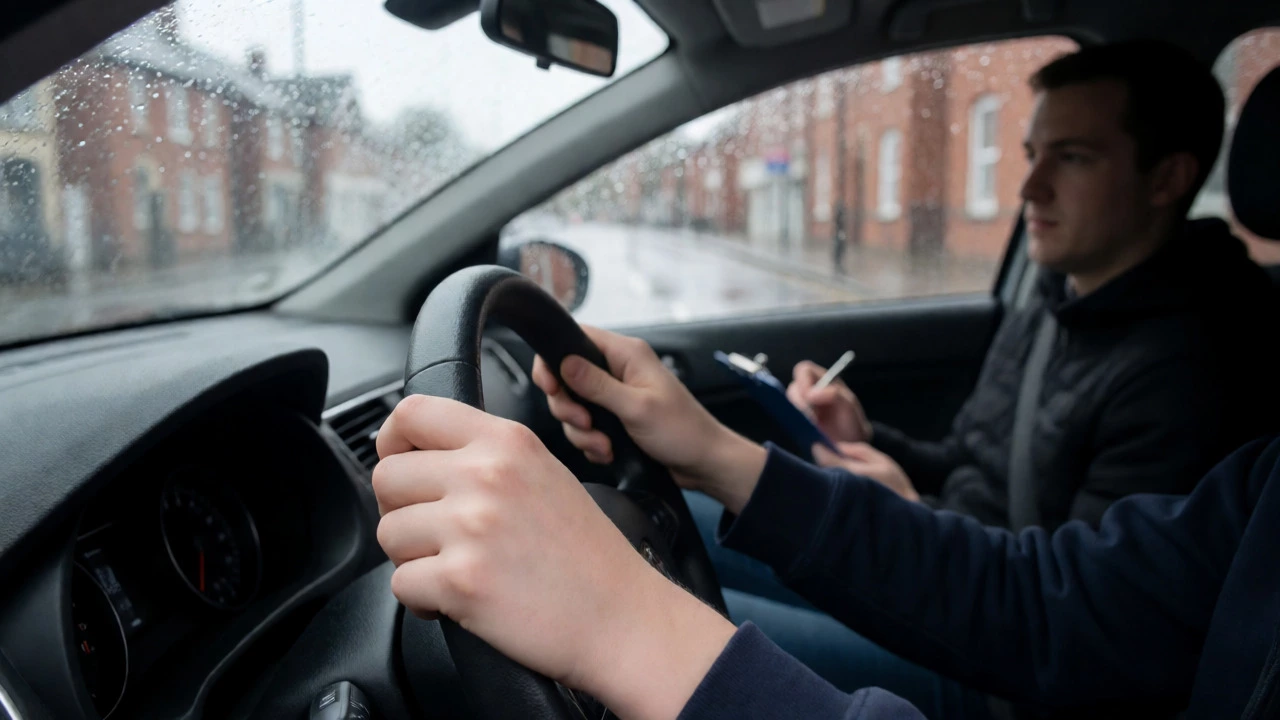
Once you pass the theory, the real challenge begins. The practical driving test lasts about 40 minutes. You will drive in various conditions, including busy urban areas and possibly motorways if you are taking the test after December 2017 changes. The examiner assesses you on safe driving habits, not just perfect maneuver execution.
| Fault Type | Description | Impact on Result |
|---|---|---|
| Serious Fault | Actual danger or potentially dangerous action | Immediate fail |
| Driving Fault | Error not affecting safety but showing lack of control | Up to 15 allowed |
| Dangerous Fault | Requires emergency action by other road users | Immediate fail |
You can accumulate up to 15 driving faults and still pass. However, one serious fault fails you. What counts as a serious fault? Common examples include pulling out in front of an oncoming vehicle without enough time, failing to observe properly at junctions, or losing control during a maneuver. These aren't minor slips; they represent genuine risks.
Why Do So Many People Fail?
It is rarely because someone cannot steer or change gears. Most failures stem from observation errors and poor decision-making under pressure. Examiners often note that candidates rush. They pull away before checking blind spots thoroughly. They hesitate at complex junctions, causing confusion for other drivers. Or they misinterpret road markings, especially in new housing estates where layouts are confusing.
Nervousness plays a huge role. Your heart races, your hands sweat, and suddenly, simple tasks feel impossible. This is normal. Experienced instructors recommend practicing test routes repeatedly until they become muscle memory. When you know the route, you can focus on driving rather than navigation.
Does Intensive Training Help?
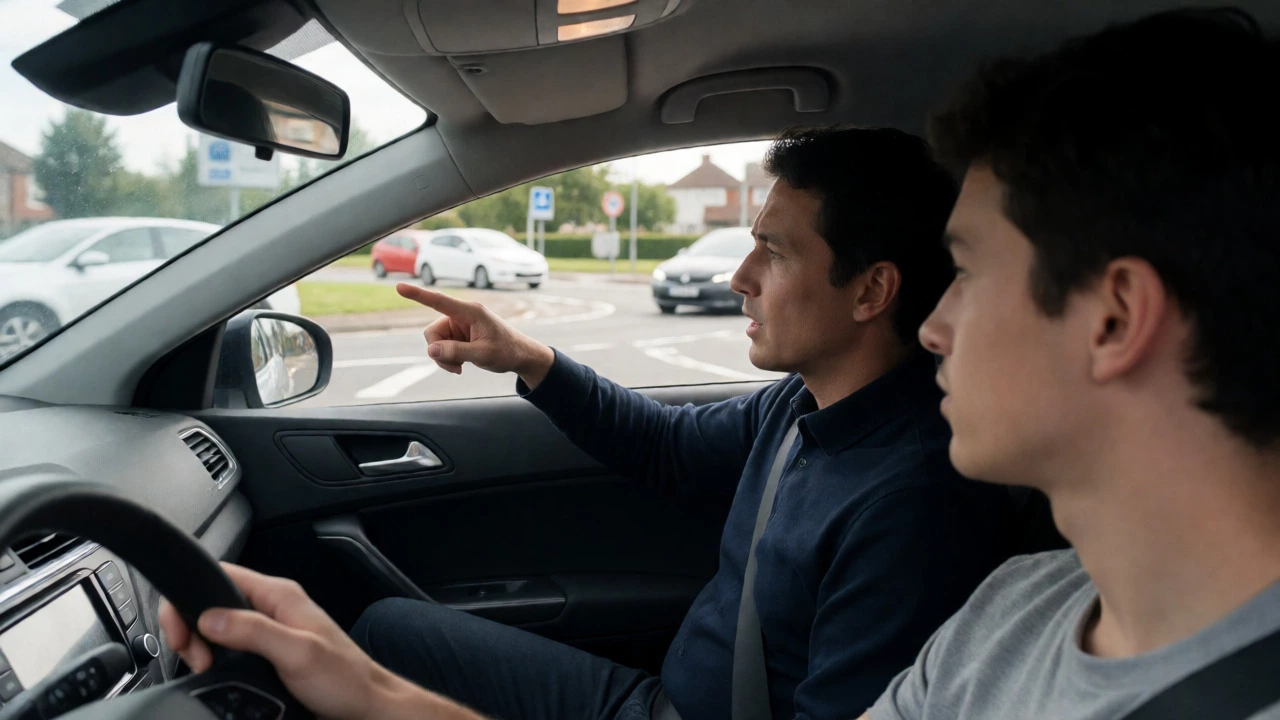
Many learners turn to intensive courses to speed up the process. These condensed programs cram weeks of learning into days. While effective for some, they carry higher risk. If you haven't had time to absorb the basics, rushing into a test often leads to failure. Statistics suggest that intensive course students have slightly lower first-time pass rates compared to those who take lessons over several months. The reason? Lack of experience in varied weather and traffic conditions.
However, if you already have some driving experience, an intensive course can be excellent for polishing skills and building confidence quickly. Just ensure you choose a reputable school with high pass rates and positive reviews.
The Value of Pass Plus After Passing
So, you passed. Congratulations! But your education shouldn't stop there. New drivers are statistically more likely to be involved in accidents due to inexperience. This is where the Pass Plus course comes in. It is a post-test training scheme endorsed by the government and insurance companies.
Pass Plus covers six modules: town driving, all-weather conditions, country roads, night driving, dual carriageways, and motorways. Completing it does not require another exam, but it provides valuable experience in scenarios you might not have encountered during your test. More importantly, many insurers offer discounts to drivers who complete Pass Plus within six months of passing. This can offset the cost of the course significantly.
How Long Does It Really Take?
There is no legal minimum age limit for holding a provisional license-you can apply at 15 years and 9 months-but you must be 17 to drive alone and take the test. The timeline varies wildly based on individual aptitude, availability, and budget.
- Fast Track: 2-3 months for highly dedicated learners with full-time availability.
- Average Path: 6-12 months for most working adults or students balancing other commitments.
- Extended Timeline: Over a year for those facing test center backlogs or repeated failures.
Wait times for tests can also affect your timeline. In popular cities like London or Manchester, slots may be booked out months in advance. Planning ahead is crucial.
Tips to Increase Your Chances
Want to beat the odds? Here are actionable strategies used by successful candidates:
- Book Lessons Regularly: Consistency beats intensity. Two lessons a week work better than one long lesson every fortnight.
- Practice Private Driving: Use family cars to gain exposure to different vehicles and situations.
- Mock Tests: Ask your instructor to conduct a full mock test under real conditions. Treat it seriously.
- Learn the Routes: If possible, drive common test routes near your local center.
- Manage Anxiety: Techniques like deep breathing or visualization can calm nerves before the big day.
Remember, failing once is not the end of the world. Many excellent drivers failed initially. Use feedback from the examiner to identify weak spots and address them directly.
What is the current pass rate for the UK driving test?
As of recent DVSA statistics, the overall pass rate for the practical driving test hovers around 48%. Rates vary by region and time of year, with summer months often seeing slightly lower pass rates due to increased candidate numbers.
How many lessons do I need to pass?
The DVSA recommends an average of 45 hours of professional lessons combined with 22 hours of private practice. However, individual needs vary significantly based on prior experience, learning speed, and access to practice vehicles.
Is the theory test harder than the practical test?
Statistically, the theory test has a higher failure rate than the practical test. Many candidates underestimate the complexity of hazard perception clips and specific regulatory knowledge required for the multiple-choice section.
Can I drive immediately after passing?
Yes, once you pass your practical test, you receive a pass certificate which allows you to drive immediately. Your full photocard license will arrive by post within a few weeks. Ensure you update your insurance policy before driving.
Does Pass Plus really save money on insurance?
Yes, many insurance providers offer discounts for new drivers who complete the Pass Plus course. Savings vary by insurer but can range from £50 to £150 annually, often covering the cost of the course itself.