
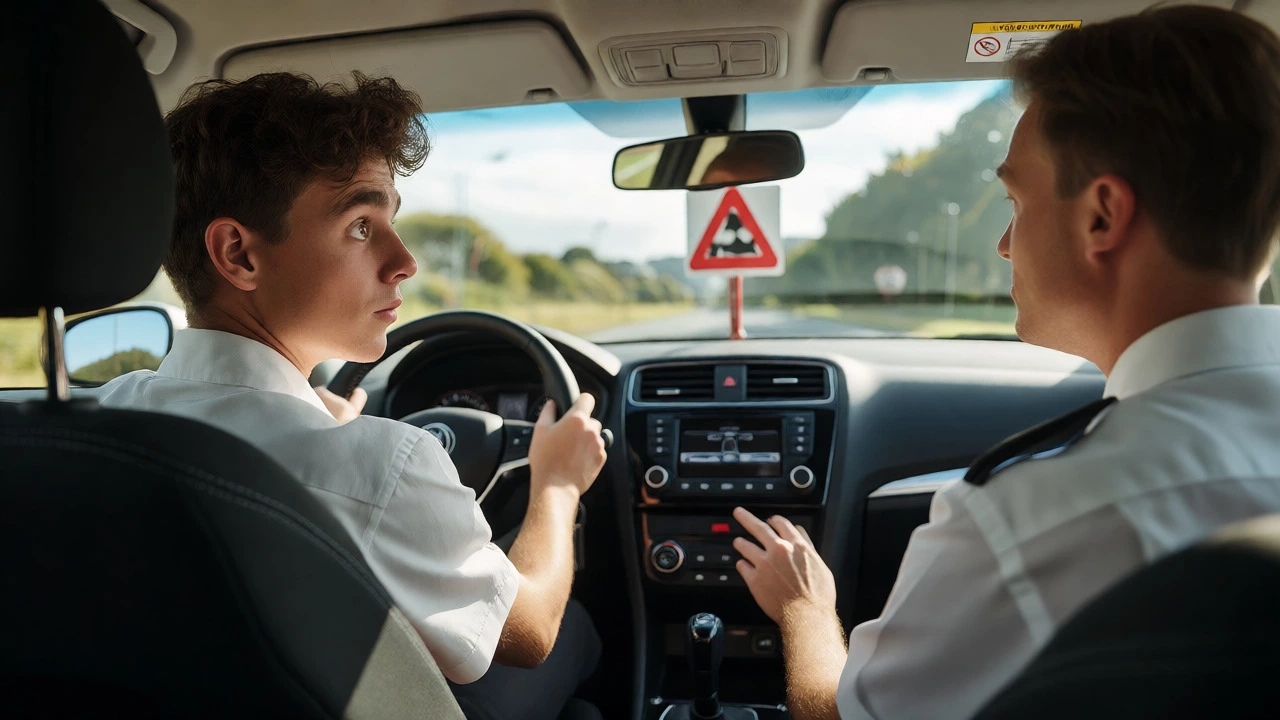
NZ Driving Test Fault Checker
Select the faults you committed during your practical driving test below. This tool applies current Waka Kotahi marking criteria to determine your result.
Common Fault Scenarios
0
Major Faults0
Minor FaultsSelect faults above and click "Check My Result"
You’ve just stepped out of the examiner’s car, heart pounding, wondering if you passed. The examiner hands you your score sheet. You see one box ticked under "Major" and three or four ticks under "Minor." Your stomach drops. Is that it? Did you fail? This is the most common panic moment for learner drivers in New Zealand, and the answer isn’t as simple as "one mistake equals failure."
What Counts as a Major Fault?
It’s not about being perfect; it’s about being safe. The examiner isn’t looking for flawless steering or perfect gear changes. They are watching for errors that could lead to an accident. In New Zealand, the list of things that trigger a major fault is standardized across all examiners, from Wellington to Auckland.
Here are the big ones that will end your test immediately:
- Safety Interventions: If the examiner has to grab the wheel, touch the handbrake, or press the brake pedal to prevent an accident, that’s an automatic major. It doesn’t matter if you would have corrected it yourself two seconds later. If they had to act, you failed.
- Traffic Light Violations: Running a red light or failing to stop when required is a major. Even stopping too far past the line can sometimes be flagged if it obstructs pedestrians or other vehicles dangerously.
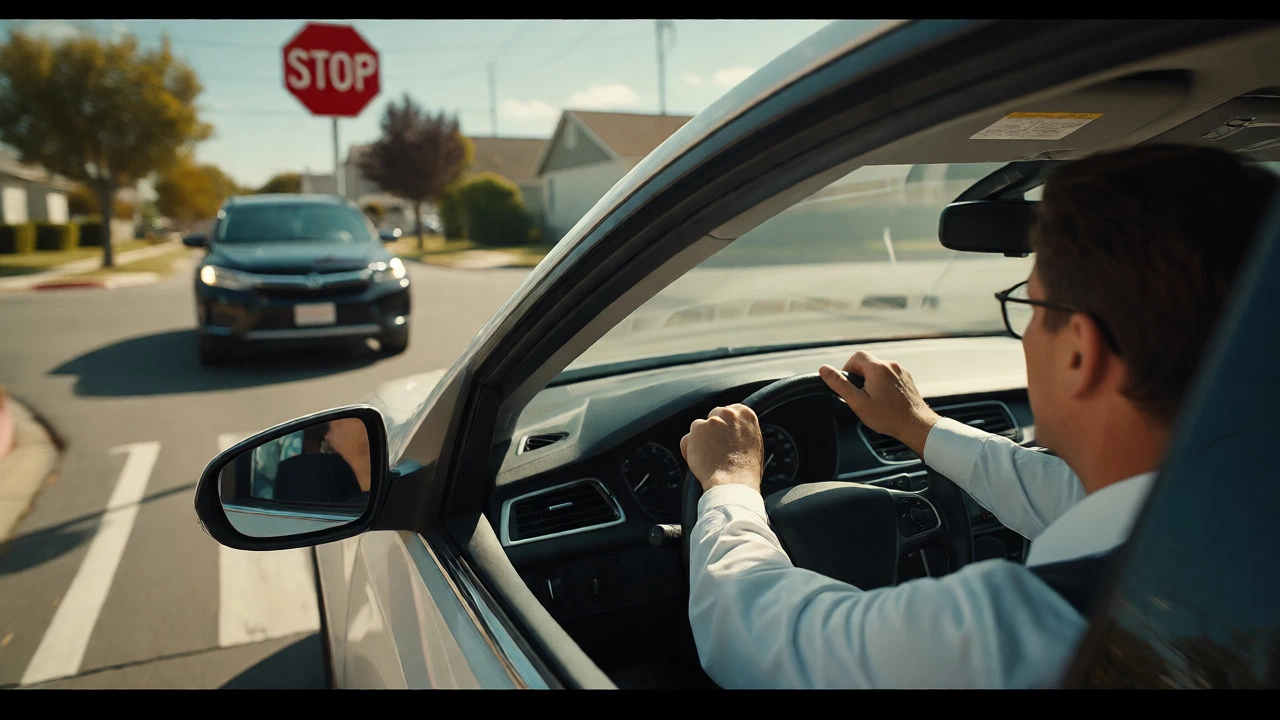
- Stop Sign Errors: Rolling through a stop sign without coming to a complete halt is a major. You must stop completely, check, and then proceed. A "California roll" is a guaranteed fail.
- Dangerous Maneuvers: Cutting corners so sharply you enter the wrong lane, or pulling out into traffic without checking blind spots properly, counts as a major.
- Lack of Observation: Failing to look at a pedestrian crossing when someone is waiting to cross, or ignoring a cyclist’s right of way, are major faults because they directly endanger others.
The Role of Minor Faults
So, what about those small mistakes everyone makes? Stalling the engine? Forgetting to check a mirror once? These are usually classified as minor faults. You don’t fail the test for having minor faults, provided you stay within the limit. In New Zealand, you can accumulate up to 14 minor faults and still pass, as long as you have zero major faults.
However, there’s a catch. Repeated minor faults can escalate. If you make the same minor mistake five times-say, forgetting to signal before changing lanes repeatedly-the examiner may mark the fifth instance as a major fault. Why? Because repetition shows a lack of awareness or skill control, which becomes unsafe over time. So, while one forgotten signal is fine, doing it every single time is a problem.
How Examiners Decide: Subjectivity vs. Standards
A common worry among learners is whether the examiner is having a bad day. While human judgment plays a role, the marking criteria are objective. The score sheet is designed to remove ambiguity. If you hesitate at a roundabout entry, it might be a minor fault for hesitation. But if you hesitate so long that you block traffic or force another driver to brake, it becomes a major for disrupting flow and causing potential danger.
Examiners are trained to assess risk. A minor fault is an error that requires correction but doesn’t immediately endanger anyone. A major fault is an error that requires immediate corrective action by the examiner or creates a hazardous situation. Think of it this way: if you’d feel embarrassed telling your friends about it, it’s probably a minor. If you’d be terrified to tell them because it was scary, it’s likely a major.
Common Misconceptions About Failing
Many learners think they need to drive like a racing champion. They stress over smooth gear shifts or perfect parking angles. Here’s the truth: you can stall the car twice and still pass, as long as you restart safely and keep moving. You can park slightly crooked and pass, as long as you’re within the lines and didn’t hit anything.
Conversely, people often underestimate the importance of observation. Checking mirrors is not optional. It’s mandatory. If you change lanes without checking your blind spot, even if no car is there, it’s a major fault. Why? Because you didn’t follow the correct procedure. Safety isn’t just about what happens; it’s about following the rules that ensure safety regardless of traffic conditions.
What Happens After You Fail?
If you get one major fault, you fail. Don’t argue with the examiner during the test. They are assessing you against a national standard. Once you receive your result, you’ll need to book another test. In busy areas like Wellington or Christchurch, wait times can stretch to several weeks. Use this time wisely.
Ask your instructor to review your score sheet. If you failed for "observation," focus entirely on scanning techniques. If you failed for "control," practice clutch and gear coordination until it’s muscle memory. Retaking the test without addressing the root cause is a waste of money and time.
Comparison: Major vs. Minor Faults
To help you visualize the difference, here’s a breakdown of typical scenarios and how they are graded under current Waka Kotahi guidelines.
| Scenario | Potential Grade | Reasoning |
|---|---|---|
| Stalling the engine at a green light | Minor | Recoverable; does not endanger others if restarted promptly. |
| Stalling repeatedly at intersections | Major (if repeated) | Shows lack of vehicle control; disrupts traffic flow. |
| Forgetting to signal once | Minor | Honest mistake; no immediate danger if checked. |
| Changing lanes without checking blind spot | Major | Critical safety omission; high risk of collision. |
| Rolling through a stop sign | Major | Legal violation; significant safety hazard. |
| Parking 10cm outside the bay | Minor | Inaccurate but safe; no obstruction caused. |
| Examiner grabs the wheel | Major | Immediate intervention required to avoid accident. |
Tips to Avoid Major Faults
Since one major fault ends the test, your primary goal should be avoiding these critical errors rather than achieving perfection. Here’s how to minimize risk:
- Slow Down: Speed is the enemy of observation. Drive slower than you think you need to. This gives you more time to scan mirrors and react to hazards.
- Check Mirrors Constantly: Make it a habit to check your rearview and side mirrors every 5-8 seconds. Before any maneuver (turning, changing lanes, slowing down), check the relevant mirror and blind spot.
- Stop Completely: At stop signs, come to a full stop. Count to two in your head. Then move. Never assume the road is clear without stopping.
- Communicate Early: Signal early enough to give other drivers time to react. Late signaling confuses traffic and increases risk.
- Accept Help: If you’re unsure about a complex intersection, ask the examiner for clarification. It’s better to ask than to guess and make a major error.
Final Thoughts on Passing
Passing the driving test in New Zealand is about demonstrating safe, lawful driving habits. One major fault means you haven’t yet mastered those habits to a safe standard. It’s not a reflection of your intelligence or ability-it’s just feedback. Many successful drivers failed their first attempt. The key is understanding exactly why you failed and fixing that specific issue before booking your next test.
Can I pass with 1 major fault?
No. In New Zealand, one major fault results in an automatic fail. The threshold for passing is zero major faults and fewer than 15 minor faults.
What is considered a major fault in NZ?
A major fault is a serious error that compromises safety or breaks traffic laws. Examples include running a red light, rolling through a stop sign, failing to yield to pedestrians, or requiring the examiner to intervene physically to prevent an accident.
How many minor faults can I get and still pass?
You can accumulate up to 14 minor faults and still pass the driving test, provided you do not commit any major faults. However, repeated identical minor faults may be escalated to a major fault by the examiner.
Does stalling the car count as a major fault?
Stalling is typically a minor fault. However, if you stall repeatedly or in a dangerous position (like blocking an intersection), it can be marked as a major fault due to loss of control and disruption of traffic flow.
Do I have to take my theory test again if I fail the practical?
No. Your learner licence and theory test results remain valid for five years from the date you passed the theory test. You only need to retake the practical driving test.