
Driving Test Fault Checker
Select a driving scenario below to find out if it's a minor fault you can recover from, or a dangerous error that results in an immediate test failure.
Scenario 1
You pull out at a T-junction without fully checking for oncoming traffic, forcing another car to brake sharply.
Scenario 2
You forget to signal when turning right at a quiet intersection with no other vehicles around.
Scenario 3
You stall the car while waiting at a red light in a low-traffic area.
Scenario 4
You enter a roundabout too fast and lose control, skidding slightly before recovering.
Scenario 5
You check your mirrors but don't turn your head to check blind spots before changing lanes.
Scenario 6
You approach a pedestrian crossing where someone is waiting, but maintain speed and brake at the last moment.
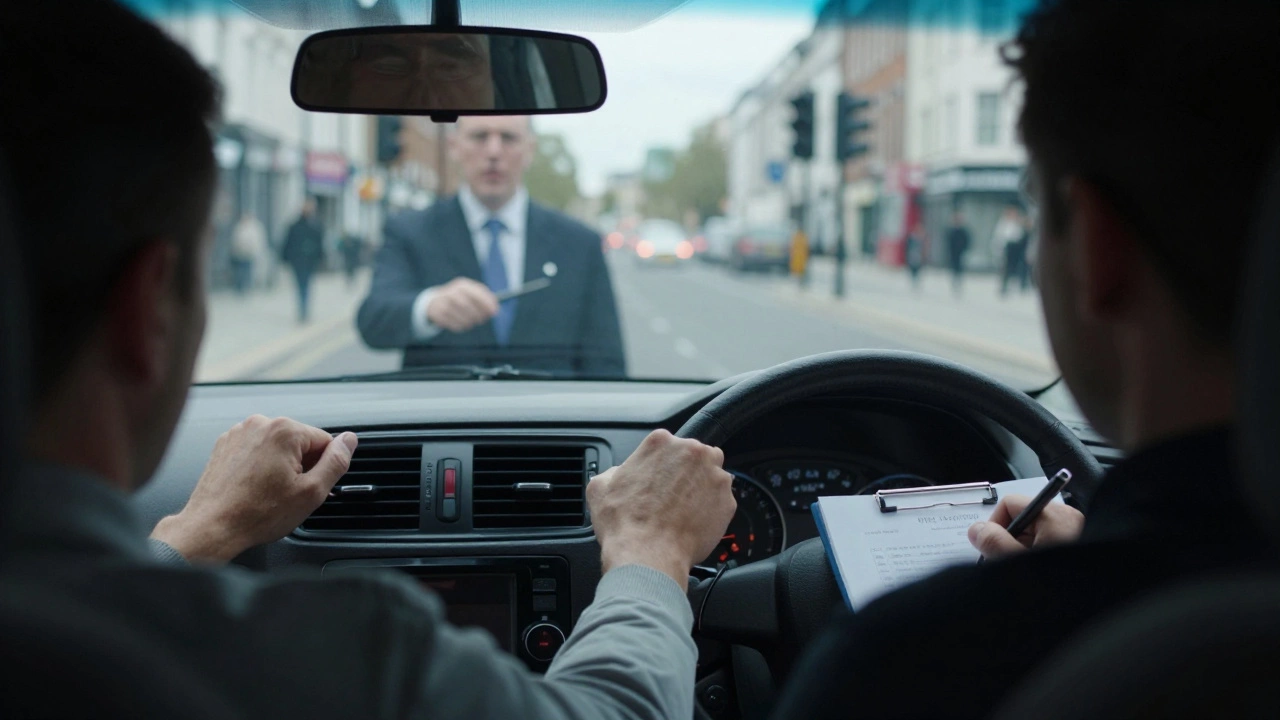
Imagine this: you’ve practiced for months. Your parallel park is tight, your mirror checks are rhythmic, and you’ve memorized every road sign in the city. You pull up to the testing center with confidence, ready to hand over your provisional license for the real thing. But within ten minutes of starting the engine, the examiner raises a pen, marks a single box on their sheet, and says, "Thank you. That’s all."
You didn’t stall. You didn’t hit a curb. You didn’t even run a red light. So what went wrong? In many jurisdictions, including New Zealand where I live in Wellington, there is one specific error that acts as an immediate tripwire. It’s not about your steering technique or your gear changes. It’s something far more fundamental.
The mistake that will automatically disqualify you during a behind-the-wheel test is dangerous driving. Unlike minor faults-such as forgetting to signal at a junction or rolling slightly past a stop line-dangerous driving is classified as an immediate failure because it poses a direct threat to safety. It’s the difference between being clumsy and being reckless.
To understand why this happens so often, we need to look at how driving tests are structured. Examiners don’t just watch if you can move the car from point A to point B. They assess your ability to predict hazards, manage speed, and share the road responsibly. When you cross the line from "mistake" to "danger," the test ends. Period.
Defining Dangerous Driving vs. Minor Faults
It’s crucial to distinguish between a "fault" and a "dangerous" error. Most driving tests use a point system. You might accumulate several minor faults-like checking mirrors too late or hesitating at a junction-and still pass, provided they don’t add up to a critical threshold. These are errors of habit or nerves.
Dangerous driving, however, is binary. It’s not graded. If you commit it once, you fail. The definition usually revolves around actions that would likely cause another road user to take evasive action to avoid a collision. For example, pulling out into traffic without ensuring the way is clear isn’t just a signaling error; it’s dangerous because it forces other drivers to brake hard or swerve.
In New Zealand, Transport NZ (the agency responsible for licensing) explicitly lists behaviors that constitute immediate failures. These include:
- Failing to give way when required, causing danger.
- Exceeding the speed limit significantly or driving too fast for conditions.
- Losing control of the vehicle due to excessive speed or poor handling.
- Ignoring traffic signals or police instructions.
The key word here is "likely." You don’t actually have to cause an accident. You just have to create a situation where an accident was probable. This distinction trips up many learners who think, "I got through, so it must have been okay." But if the examiner had to intervene mentally-or worse, physically-the test is already over.
The Most Common Triggers for Immediate Failure
While "dangerous driving" is the category, the specific actions that trigger it are often mundane maneuvers gone wrong. Let’s break down the top three scenarios that lead to instant disqualification.
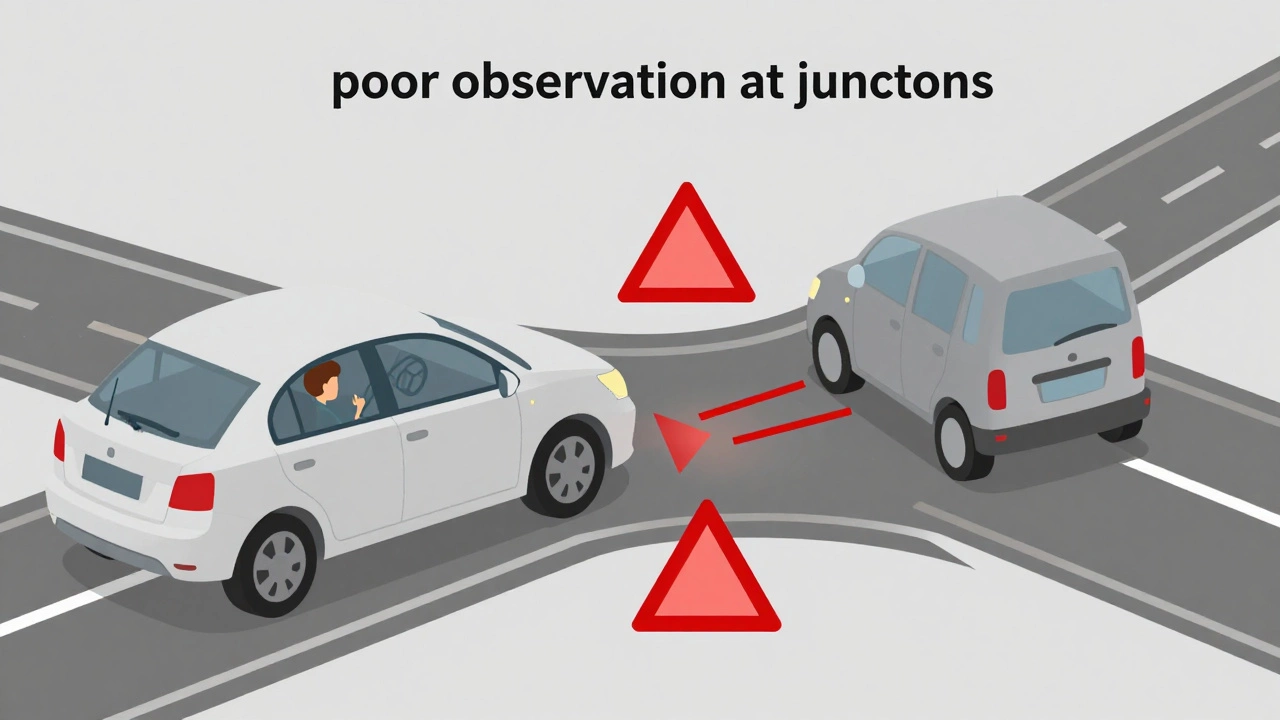
1. Poor Observation at Junctions
This is the number one killer of driving tests. You’re approaching a T-junction. You slow down. You check your mirrors. But do you actually see the car coming from the left? Many candidates go through the motions of looking but fail to process the information. If you pull out in front of a vehicle that has the right of way, forcing them to brake, that’s dangerous driving. It doesn’t matter if you signaled perfectly. The observation was flawed, and the outcome was unsafe.
Examiners look for the "head movement." Glancing in the mirror isn’t enough. You need to turn your head to check blind spots and ensure the path is clear for a sufficient distance. If you hesitate at the last second because you spotted a car you should have seen earlier, the examiner knows you weren’t observing properly.
2. Speed Management Errors
Speeding is an obvious fail, but so is driving too slowly in a way that disrupts traffic flow. However, the most common speed-related dangerous error is failing to adjust speed for hazards. Imagine approaching a pedestrian crossing where someone is waiting. If you maintain your speed and only brake at the last moment, causing the pedestrian to step back or other cars to slam on their brakes, that’s dangerous. Smooth, early deceleration is expected. Panic braking indicates a lack of anticipation.
Similarly, entering a roundabout or corner too fast and losing control-even if you recover-is an automatic fail. The loss of control demonstrates that you were driving beyond the vehicle’s limits or your own skill level under those conditions.
3. Misjudging Gaps in Traffic
Pulling out from a side street or a parking spot requires judging the gap between vehicles. A common mistake is seeing a gap and assuming it’s big enough. But if you pull out and the following driver has to brake sharply, you’ve misjudged the gap. This is particularly prevalent in urban areas with heavy traffic. Examiners are trained to notice the reaction of other drivers. If you see a car brake lights illuminate immediately after you merge, you’ve failed the observation test, even if no collision occurred.
The Role of Anticipation and Hazard Perception
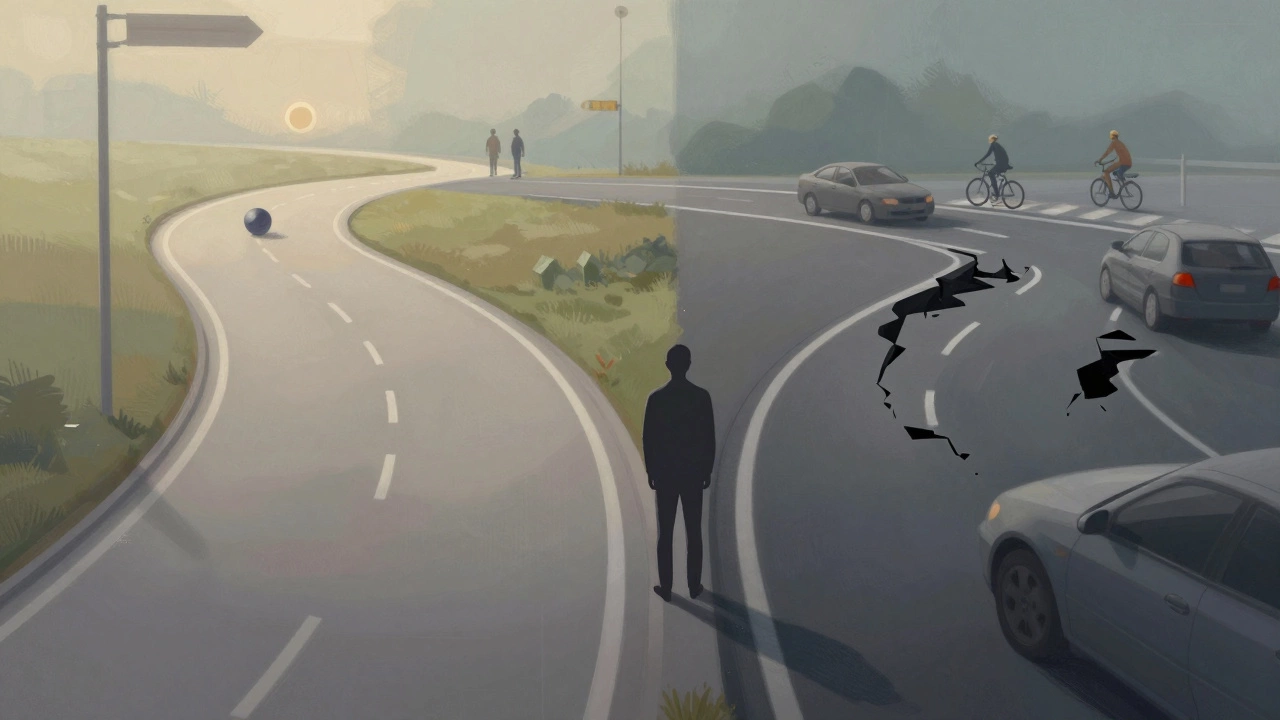
Dangerous driving is rarely about sudden, wild actions. It’s usually the result of poor anticipation. Good drivers don’t just react; they predict. They see the ball roll into the street and anticipate a child chasing it. They see the brake lights of the car two vehicles ahead and prepare to slow down.
During a test, if you’re constantly reacting to surprises, you’re already behind the curve. By the time you see the hazard, it’s often too late to act safely. This reactive style leads to harsh braking, erratic steering, and poor positioning-all of which can escalate into dangerous situations.
To improve anticipation, practice scanning the road further ahead. Don’t just look at the back of the car in front. Look past it. Identify potential hazards early: parked cars that might open doors, pedestrians near crossings, cyclists filtering through traffic. Give yourself time to respond smoothly. If you find yourself frequently having to make sudden corrections, you’re not anticipating enough.
How to Avoid the Automatic Fail
Avoiding dangerous driving comes down to mindset and preparation. Here are practical steps to ensure you never cross that line.
- Slow Down to Think: Nerves make us rush. If you feel pressured, slow down. It’s better to be late than to be dangerous. Examiners prefer cautious drivers to risky ones.
- Check, Check, Check: Make your observations deliberate. Turn your head. Look again. Ensure your path is clear for a good distance, not just for the next second.
- Respect Other Road Users: Never force your way. If you’re unsure if a gap is big enough, wait for the next one. No one is judging your punctuality; they’re judging your safety.
- Practice in Real Conditions: Don’t just practice on empty roads. Drive in busy areas, rain, and dusk. Learn how your car behaves under stress and how to manage speed in complex environments.
- Get Feedback: Ask your instructor to simulate test conditions. Have them call out hazards and ask you to identify them. Build the habit of verbalizing your decisions: "I’m slowing down because..." This reinforces conscious decision-making.
Remember, the goal of the driving test isn’t to prove you’re a perfect driver. It’s to prove you’re a safe driver. Safe drivers admit when they’re unsure. They wait. They check. They prioritize safety over ego.
What Happens After an Automatic Fail?
If you receive an automatic fail, the examiner will explain exactly why. They’ll point to the specific maneuver that caused the danger. Use this feedback constructively. Don’t argue. Don’t try to justify your actions. Instead, ask questions: "Could I have slowed down sooner?" "Did I miss a vehicle in my blind spot?"
Most licensing authorities require a waiting period before you can retake the test. Use this time to address the root cause. If it was observation, spend extra time practicing junctions. If it was speed management, work on smooth braking and acceleration. Consider taking additional lessons focused specifically on the area where you failed.
Also, review any official guidelines available in your region. In New Zealand, for instance, the Learner Licence manual provides detailed explanations of fault categories. Understanding the legal definition of dangerous driving can help you internalize the boundaries.
Is stalling the car an automatic fail?
No, stalling is generally considered a minor fault, unless it causes a dangerous situation. For example, stalling in the middle of a busy intersection could be deemed dangerous if it blocks traffic or creates a hazard. However, stalling in a quiet area while stationary is usually just a small deduction.
Can I pass if I forget to signal?
Yes, forgetting to signal is typically a minor fault. You can accumulate several minor faults and still pass, as long as they don’t reach the maximum allowed limit. However, if failing to signal leads to a dangerous maneuver-like cutting off another driver-it could be escalated to a serious or dangerous fault.
What counts as 'losing control' of the vehicle?
Losing control means the vehicle moves unpredictably, such as skidding, spinning, or hitting a curb due to excessive speed or poor steering input. Even if you recover, the initial loss of control is often an automatic fail because it shows a lack of vehicle management.