
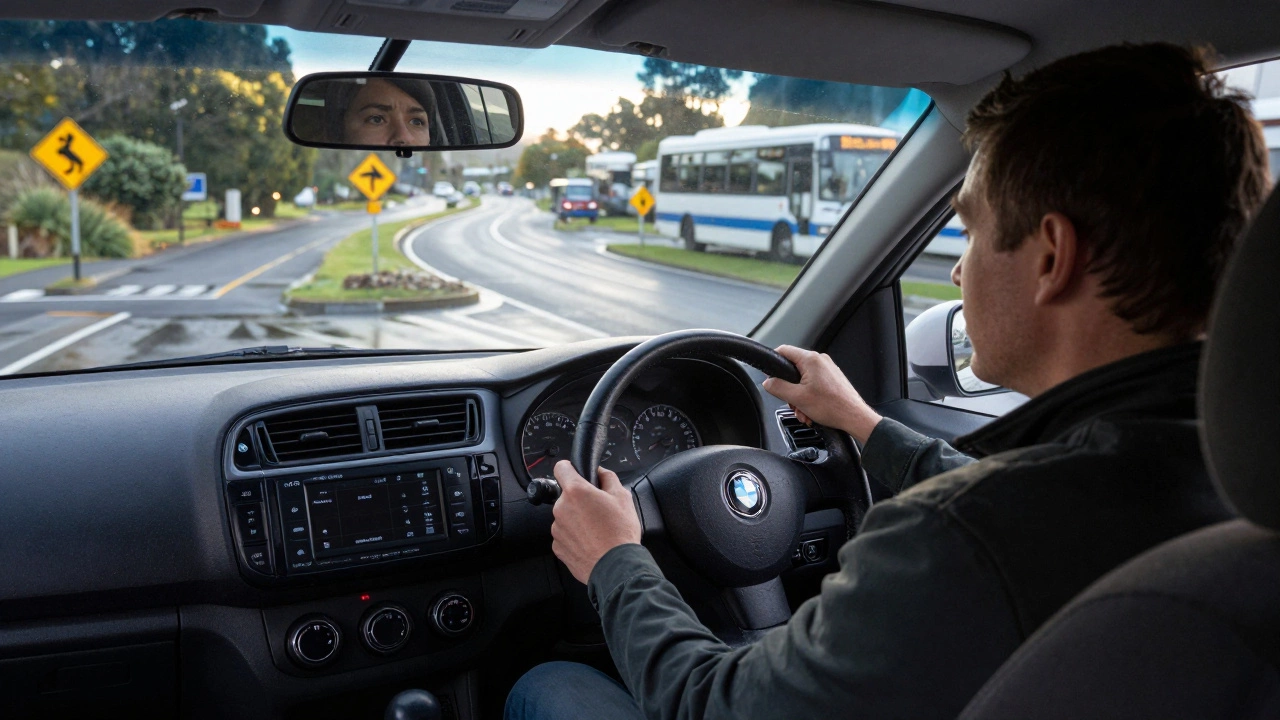
Passing your driving test in New Zealand isn’t about memorizing rules-it’s about showing you can handle real traffic with calm, clear decisions. If you’ve failed before, or you’re nervous about your upcoming test, you’re not alone. Nearly 40% of first-time test takers in Wellington don’t pass on their first try. But the difference between passing and failing isn’t always skill-it’s preparation, mindset, and knowing what the examiner is really looking for.
Understand What the Examiner Actually Watches
The driving test isn’t a trick. Examiners aren’t trying to catch you out. They’re checking if you can drive safely and predictably in everyday conditions. They watch for three things: control, awareness, and decision-making.Control means smooth steering, braking, and acceleration. No jerky movements. No riding the clutch. No sudden stops at roundabouts. If you’re braking hard because you didn’t see the car ahead, that’s a fail. If you brake early and ease off gently, that’s control.
Awareness is about looking where you need to. Not just at the road ahead-check your mirrors every 5 to 8 seconds. Glance at blind spots before changing lanes. Turn your head when pulling out of side streets. If you just stare straight ahead, the examiner will assume you’re not seeing what’s around you.
Decision-making is the biggest one. Do you wait too long at a give-way? Do you speed up to beat a yellow light? Do you hesitate so long at a junction that you hold up traffic? These aren’t small mistakes. They show poor judgment. The test isn’t about perfection-it’s about safe, confident choices.
Practice the Exact Routes You’ll Face
You won’t know the exact route, but you can train for the most common ones. In Wellington, test routes often include:- Stokes Valley Road with its steep hills and narrow lanes
- Johnsonville Road with multiple roundabouts and bus stops
- Upper Hutt Road with school zones and pedestrian crossings
- Te Marua Road with a tricky T-junction and hidden driveways
Drive these routes with your instructor-or even a family member-until you can do them blindfolded (metaphorically). Know where the speed bumps are. Know where the school zones start. Know where the bus stops load and unload. If you’re surprised by anything on test day, you’re already behind.
Practice at the same time of day as your test. Morning rush hour is different from midday. Rain changes grip. Wind affects larger vehicles. If your test is at 8 a.m., practice at 8 a.m. on a weekday. Don’t wait for perfect weather.
Master Roundabouts Without Overthinking
Roundabouts are the #1 reason people fail. Not because they’re hard-but because people overcomplicate them.Here’s the simple rule: Look left, give way, go when safe. You don’t need to signal on approach if you’re going straight. Signal left only when you’re leaving the roundabout. If you’re turning right, signal right on approach, then switch to left before you exit.
Don’t stop unless you have to. If there’s a gap, go. If you stop unnecessarily, the examiner thinks you’re unsure. But don’t rush in either. If traffic is heavy, wait. It’s better to wait 5 seconds than to force your way in and cause a near-miss.
Practice roundabouts with a friend. Have them count how many times you check mirrors. If you check less than three times per roundabout, you’re not scanning enough.
Use the Pass Plus Course-It’s Not Optional
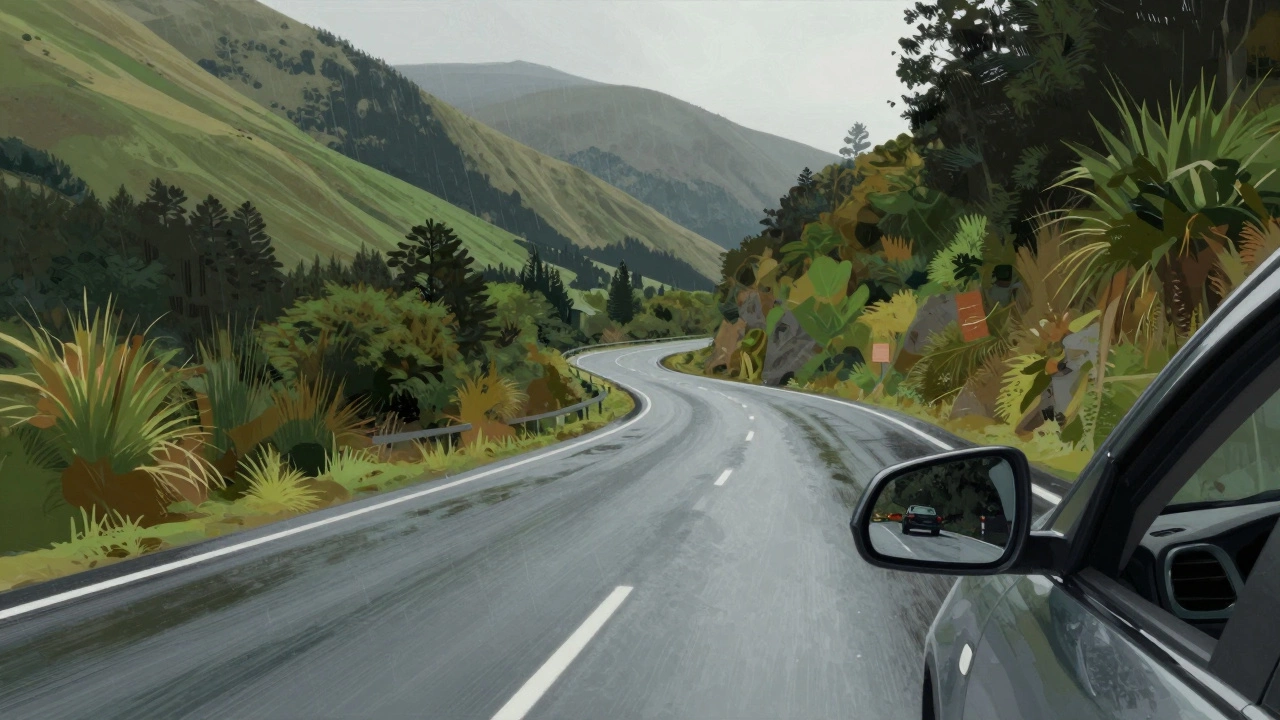
The Pass Plus course isn’t just for new drivers. It’s a game-changer for anyone who’s failed before. It’s a 6-hour, structured program that covers driving in town, on rural roads, at night, in bad weather, on highways, and on dual carriageways.Most people think it’s just extra lessons. It’s not. It’s about building confidence in high-risk situations. One student in Auckland failed twice, then took Pass Plus. On the third try, she passed because she knew how to handle a wet highway with spray from trucks-something she’d never practiced before.
In New Zealand, Pass Plus isn’t mandatory, but it’s the smartest investment you can make. It gives you real-world exposure you won’t get from 10 regular lessons. Many driving schools offer it bundled with your test prep. Ask for it.
Manage Your Nerves Like a Pro
It’s normal to be nervous. Even experienced drivers get butterflies. But nerves become a problem when they make you forget basic steps.Here’s what works:
- Don’t change your routine. Eat your usual breakfast. Wear the same clothes. Drive the same way you always do.
- Don’t cram the night before. Review your notes for 20 minutes, then sleep.
- Arrive 15 minutes early. Rushing adds stress.
- Take three slow breaths before you start. Inhale for four, hold for four, exhale for six.
- Remind yourself: You’ve driven this route 10 times. This is just another drive-with an observer.
One trick: Talk to the examiner. Say “thank you” when they hand you the form. Ask if they want you to do a particular maneuver again. Most examiners are human. They want you to pass. They’re not your enemy.
Common Mistakes That Cost People Their Test
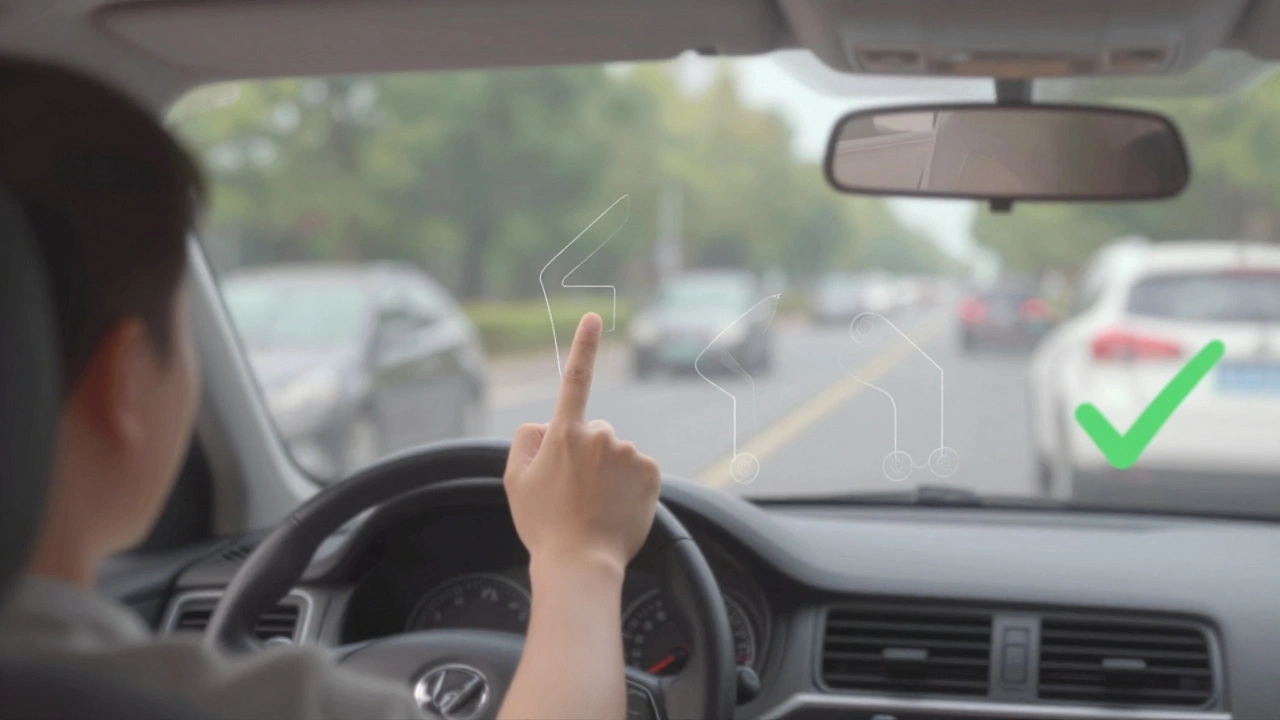
These aren’t rare. They happen every single day:- Not checking blind spots before changing lanes
- Stopping too far behind the car ahead at traffic lights
- Looking at the steering wheel instead of the road
- Driving too slowly in the left lane on a two-lane road
- Not using indicators at all, or using them too late
- Trying to impress by doing tight turns or fast maneuvers
One of the most common fails? Not stopping completely at a stop sign. You have to come to a full stop. Not a rolling stop. Not a slow roll. Full stop. Feet on the brake. Wheels stopped. Then look. Then go.
What Happens After You Pass
You’ll get your full license right away. But don’t celebrate too fast. The first 6 months after getting your license are the riskiest. You’re more likely to crash in this period than at any other time.Keep practicing. Drive in different conditions. Try night driving. Drive in rain. Go on highways. Don’t just stick to quiet streets. Use this time to build real experience.
And if you’re eligible, consider the Pass Plus course again-but this time, focus on advanced skills like emergency braking, skid recovery, and driving in fog. It’s not just about passing the test. It’s about staying safe for life.
Final Tip: Don’t Rush It
Some people take their test after 15 hours of lessons. Others wait 50. There’s no magic number. But if you’re still making the same mistakes after 10 lessons, you’re not ready. Don’t book the test until you can drive without thinking about it.You don’t need to be perfect. You just need to be safe. And if you’re safe, you’ll pass.
How many driving lessons do I need before I can take the test?
There’s no legal minimum in New Zealand, but most people need between 20 and 40 hours of professional lessons. If you’ve never driven before, aim for at least 30. If you’ve had some practice with family, 20 might be enough. The key is not the number of hours-it’s whether you can drive confidently without help. If you’re still asking your instructor what to do next, you’re not ready.
Can I take the driving test in an automatic car?
Yes. You can take the test in an automatic car. But if you pass in an automatic, your license will only allow you to drive automatic vehicles. If you want to drive manual later, you’ll need to retake the test in a manual car. Most instructors recommend learning in a manual if you plan to drive any type of car long-term.
What if I fail my driving test?
Failing is common-nearly half of first-time test takers do. You can rebook after 7 days. Use that time to focus on what you missed. Ask your instructor for a breakdown of your test results. Most driving schools give you a feedback sheet. Don’t just try again the same way. Fix the mistakes. Practice those specific skills. Many people pass on their second or third try.
Is the Pass Plus course worth it?
Yes-if you’ve failed before or feel unsure in certain conditions. The course covers real-world driving like night driving, bad weather, and highways. It’s not a shortcut to pass-it’s a way to become a better driver. Many insurance companies offer discounts for completing it. It’s one of the best investments you can make after getting your license.
What should I bring to my driving test?
You need your learner license (physical or digital), your booking confirmation, and the vehicle you’re using for the test. The car must have valid registration, insurance, and two working mirrors. Make sure the car is clean inside and out. No clutter on the dashboard. And bring a pair of glasses if you need them-examiners will check.
Can I use a GPS or phone during the test?
No. You cannot use any electronic device during the test-not even a phone as a GPS. The examiner will ask you to turn it off and put it away. If you’re using a navigation app during practice, make sure you know the route by heart by test day. Relying on a device is a distraction and a fail.