
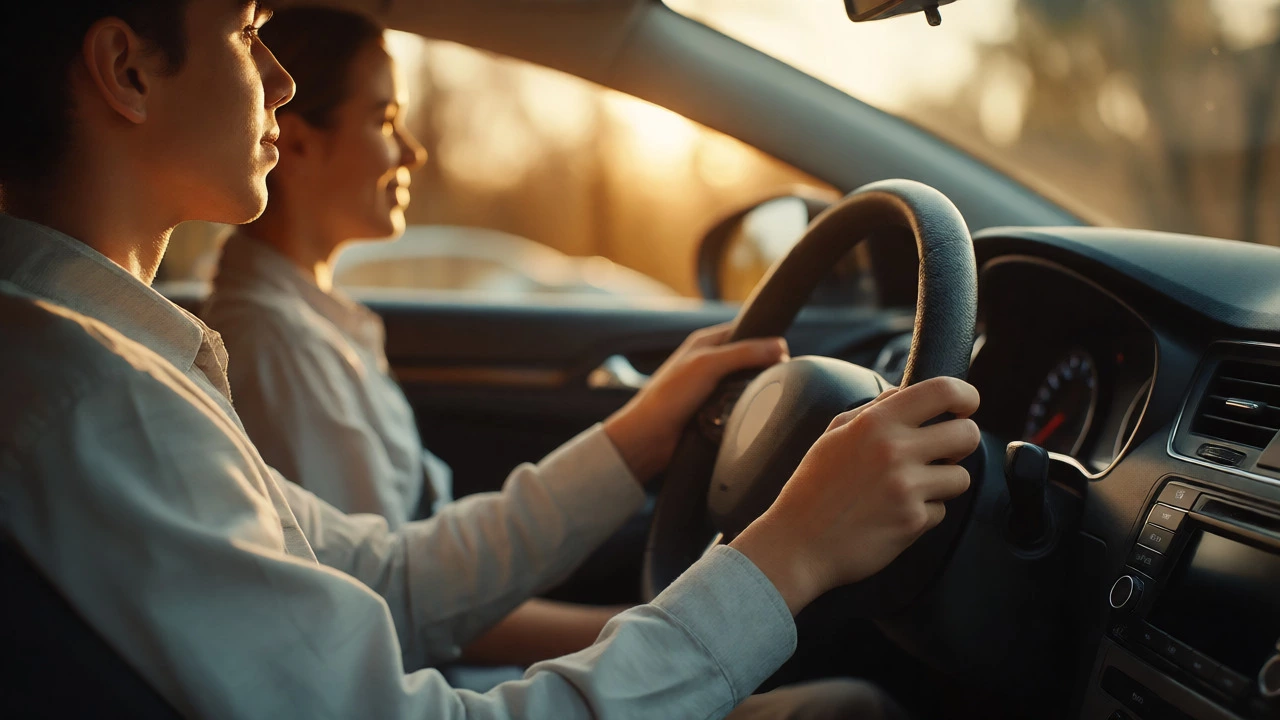
Driving Lesson Enjoyment & Readiness Checker
Feeling nervous or bored? Use this tool to check your current mindset and get tailored advice to make your next lesson more enjoyable and productive.
1. How do you feel right now?
2. Pre-Lesson Checklist
Check off what you have done before getting in the car:
Your Status
Calculating...
Personalized Tips for You:
Most people dread their first few driving lessons. It makes sense. You’re sitting in a two-ton metal box, surrounded by traffic that doesn’t care about your provisional license, trying to coordinate hands, feet, and eyes while an instructor watches your every move. But here’s the thing: it doesn’t have to be miserable. In fact, if you tweak your approach just a little, those hours behind the wheel can become some of the most rewarding parts of your week. The secret isn’t being perfect; it’s changing how you view the process.
Shift Your Mindset From Performance to Progress
When we start something new, we often judge ourselves against experts. You look at other drivers on the road and think, "They make it look so easy." Then you stall at a roundabout and feel like a failure. Stop doing that. Compare yourself to who you were yesterday, not to a taxi driver with twenty years of experience. If you managed to change gears smoothly today when you missed second gear last week, that’s a win. Celebrate it.
Anxiety is the biggest killer of enjoyment. When you’re tense, your muscles lock up, your reaction time slows down, and you forget what you’ve learned. Try this simple trick before you get in the car: take three deep breaths. Not the shallow chest kind, but deep belly breaths. It sounds cliché because it works. It lowers your heart rate and signals to your brain that you aren’t being chased by a lion. Once you’re in the car, remind yourself that mistakes are data, not disasters. Every time you stall or drift slightly out of lane, you’re getting immediate feedback on what to adjust next time.
Choose the Right Instructor (and Communicate)
Your relationship with your instructor matters more than the car you’re learning in. Some instructors are drill sergeants; others are patient coaches. There is no "right" type, only the right fit for you. If you feel judged rather than guided, speak up. A good instructor will adapt their teaching style. Tell them, "I learn better when I try things myself first," or "I need more reassurance when I’m nervous." This isn’t complaining; it’s optimizing your learning environment.
Don’t be afraid to ask questions, even if they seem basic. Why do we check mirrors before signaling? What does that specific dashboard light mean? Understanding the "why" behind the actions makes them stick better and reduces the fear of the unknown. Also, consider booking shorter, more frequent lessons. Two one-hour sessions a week are often more effective-and less exhausting-than one three-hour marathon. Your brain needs time to consolidate new motor skills, which happens during sleep and rest periods.
Make the Car Your Comfort Zone
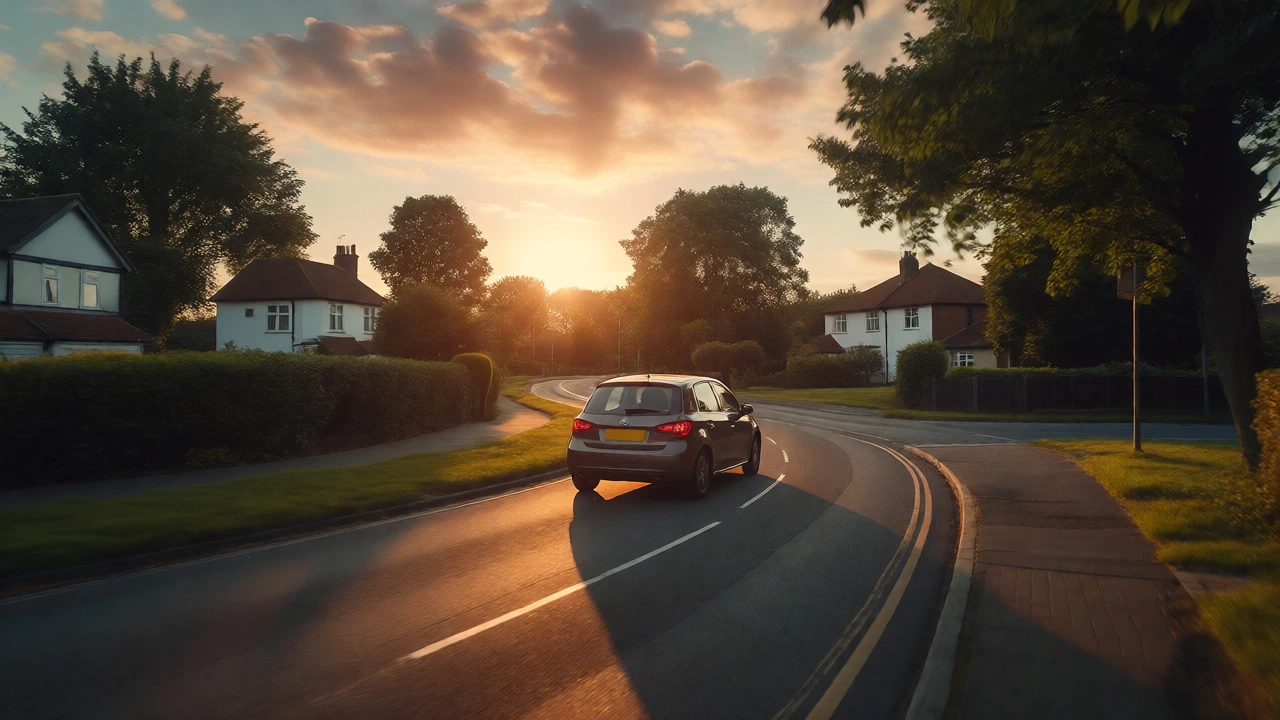
It’s hard to enjoy driving if you’re physically uncomfortable. Before you start, adjust everything. Seat height, steering wheel angle, mirror positions. If you’re straining to see over the dashboard or craning your neck to check blind spots, you’ll be tired within ten minutes. Wear comfortable shoes. Avoid heavy boots or slippery heels that mess with pedal control. Bring sunglasses if the sun is low; glare is distracting and stressful.
Music can help, but use it wisely. Silence can feel intense, especially if there’s awkward tension with the instructor. Ask if you can listen to music. Choose upbeat, familiar tracks that keep you alert but calm. Avoid slow, sad songs that might make you sleepy, or aggressive rap that might make you drive too fast. Having a shared playlist topic can also break the ice and humanize the interaction.
Turn Lessons into Adventures
Routine is the enemy of excitement. If you always drive the same route from your house to the supermarket, you’ll get bored. Ask your instructor to vary the routes. Drive through different neighborhoods, tackle busier junctions, or go out at different times of day. Learning to navigate a quiet residential street at 2 AM is very different from handling rush hour traffic. Each scenario builds a different skill set.
Treat each lesson as a mission. Maybe today’s goal is mastering reverse parking. Maybe tomorrow’s goal is staying calm when someone honks at you. Set small, achievable objectives. When you accomplish them, acknowledge it. Did you park perfectly? High-five yourself (or ask your instructor for a fist bump). These small dopamine hits build confidence and make the process addictive in a good way.
Practice Outside of Lessons
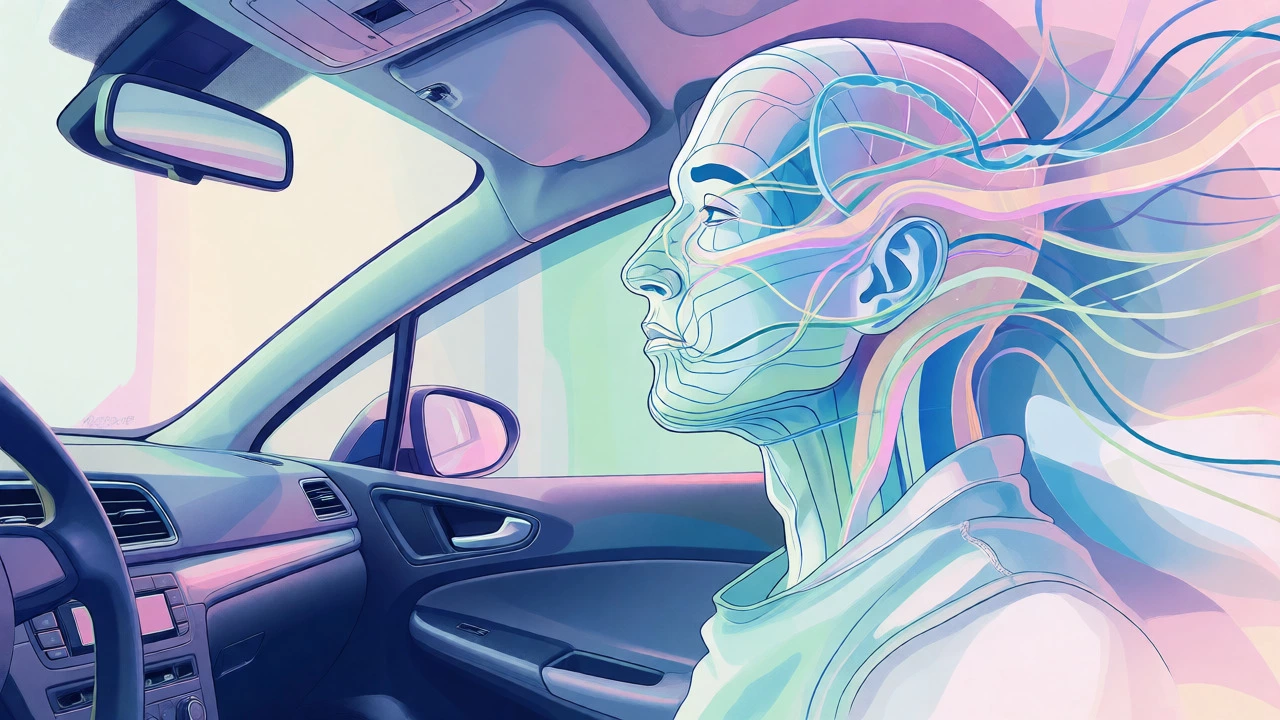
You don’t need to be in a car to improve. Spend ten minutes visualizing your drives. Close your eyes and walk through a complex maneuver step-by-step. See yourself checking mirrors, signaling, moving off smoothly. Mental rehearsal activates the same neural pathways as physical practice. It helps prepare your brain for real-world execution.
If you have access to a private car with a qualified supervisor, practice in safe, empty areas like large retail parks after hours. Just walking around the car, adjusting mirrors, and getting used to the controls without the pressure of traffic can demystify the vehicle. Familiarity breeds comfort, and comfort breeds enjoyment.
| Challenge | Common Reaction | Enjoyment Strategy |
|---|---|---|
| Nervousness | Shallow breathing, gripping wheel tightly | Deep belly breaths, relaxed grip, positive self-talk |
| Boredom | Repeating same routes, zoning out | Vary routes, set mini-challenges, listen to upbeat music |
| Frustration | Self-blame after mistakes | View errors as data points, celebrate small wins |
| Instructor Mismatch | Passive agreement, hidden stress | Open communication, request style adjustment, switch if needed |
The Role of Preparation and Rest
You can’t enjoy anything if you’re exhausted. Get a good night’s sleep before your lesson. Eat something light but sustaining-not too heavy, or you’ll feel sluggish; not too light, or you’ll get shaky. Hydrate. Dehydration affects concentration faster than you’d think.
Also, respect your limits. If you’re having a bad day, tell your instructor. Sometimes, it’s better to cancel or shorten a lesson than to push through and associate driving with misery. Consistency beats intensity. Missing one lesson won’t hurt you, but burning out will.
Is it normal to feel anxious during driving lessons?
Yes, absolutely. Almost everyone feels nervous when starting. It’s a natural response to being responsible for a powerful machine in public spaces. Acknowledge the feeling instead of fighting it. Over time, as competence grows, anxiety naturally decreases. Focus on breathing and preparation to manage it effectively.
How many driving lessons do I need to feel confident?
The average learner takes between 40 and 50 professional lessons plus private practice. However, this varies widely based on individual aptitude, frequency of lessons, and prior experience. Confidence comes from repetition and success, not just hours logged. Don’t compare your timeline to others.
What should I do if my instructor is too strict?
First, try communicating. Explain that you respond better to encouragement than criticism. If the dynamic doesn’t improve after a few sessions, consider switching instructors. Many driving schools allow changes. A supportive teacher significantly impacts both learning speed and enjoyment.
Can listening to music help me relax during lessons?
For many learners, yes. Music can lower stress levels and mask awkward silences. However, ensure it doesn’t distract you or encourage speeding. Instrumental or mid-tempo pop often works best. Always check with your instructor first, as some prefer silence for focused instruction.
How can I remember what I learned in previous lessons?
Keep a driving journal. After each lesson, write down three things you did well and one area for improvement. Reviewing this before your next session primes your brain. Additionally, practicing visualization techniques at home reinforces muscle memory and cognitive patterns.