
Box Breathing Timer for Driving Calm
Master the 4-4-4-4 Box Breathing Technique
Inhale → Hold → Exhale → Hold (4 seconds each)
Press start to begin your calming session
How It Works
The science behind box breathing
Triggers Your Calm Response
Activates your parasympathetic nervous system, slowing heart rate and lowering blood pressure within minutes.
Clears Mental Fog
Increases oxygen flow to the brain, improving focus and decision-making when you need it most.
Instant Reset Button
Used by Navy SEALs and elite athletes to regain composure under extreme pressure.
💡 Pro Tip for Drivers
Practice this technique while parked before your lesson or test. Complete all 4 cycles to fully reset your nervous system. You can also do one quick cycle at a red light if you feel tension building.
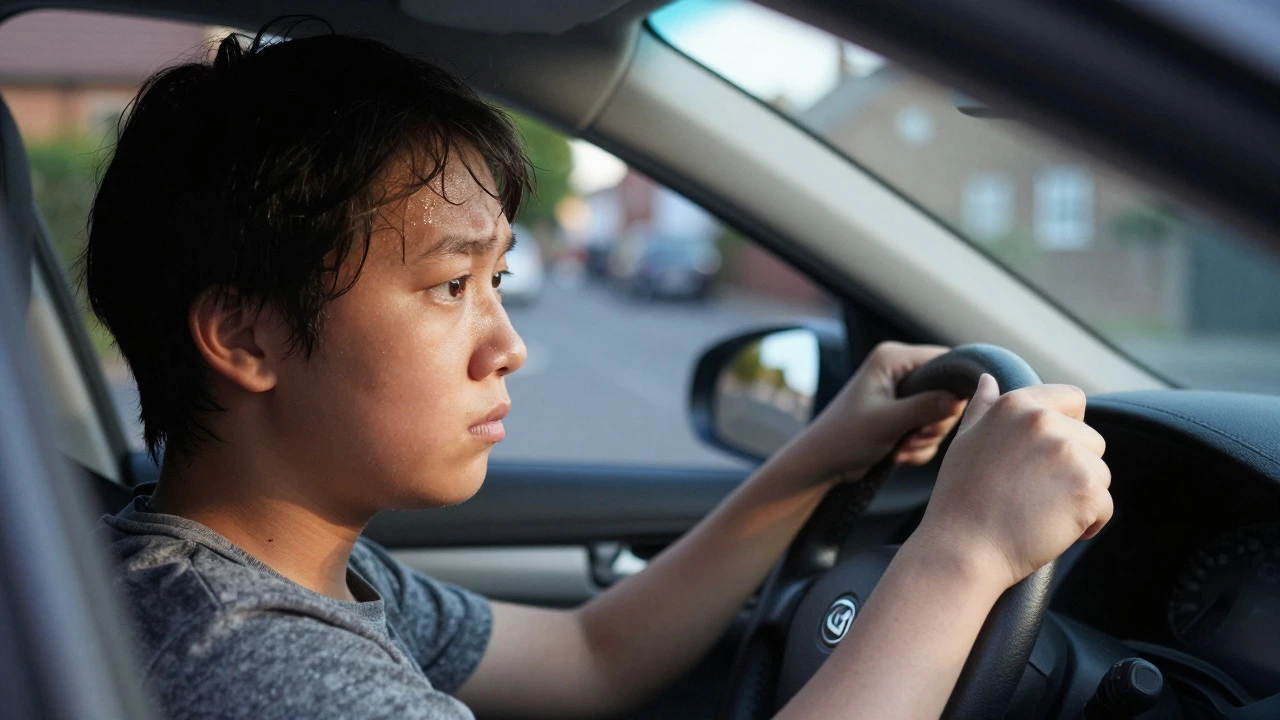
That knot in your stomach right before you turn the key? You are not alone. Whether you are sitting in a dual-controlled lesson car or gripping the wheel on your own, calming nerves before driving is one of the most common hurdles new drivers face. It feels like your heart is trying to escape your chest, your palms are sweating, and every other car on the road looks like it’s about to crash into you.
But here is the good news: this anxiety is normal. In fact, it’s your body’s way of telling you that you care about doing well. The problem isn’t the feeling itself; it’s what you do with it. If you let panic take over, your reaction times slow down and your judgment gets clouded. But if you learn to manage that adrenaline, you can actually use it to stay alert and focused. This guide breaks down exactly how to lower your stress levels, both in the moments leading up to getting behind the wheel and while you are on the road.
The Physiology of Driving Anxiety
To fix the problem, you first have to understand what is happening inside your head. When you think about driving, especially if you have had a bad experience or are heading toward a test, your brain triggers a "fight or flight" response. This releases cortisol and adrenaline. Your muscles tense up, your breathing becomes shallow, and your focus narrows too much-a phenomenon known as tunnel vision.
This biological reaction was designed to help our ancestors run from tigers, not navigate roundabouts. However, recognizing these physical signs is the first step to controlling them. Instead of thinking, "I am terrified," try reframing it as, "My body is energizing me to pay attention." By naming the sensation without judging it, you reduce its power over you. Acknowledge the tightness in your shoulders or the speed of your heartbeat, then consciously decide to release it.
Immediate Physical Techniques to Reset Your Body
You cannot think your way out of a physical stress response; you have to act your way out. Here are three proven methods to physically calm your system within minutes.
- Box Breathing: This technique is used by athletes and military personnel to regain composure. Inhale through your nose for four seconds. Hold that breath for four seconds. Exhale through your mouth for four seconds. Hold empty for four seconds. Repeat this cycle four times. This forces your parasympathetic nervous system to kick in, slowing your heart rate and lowering blood pressure.
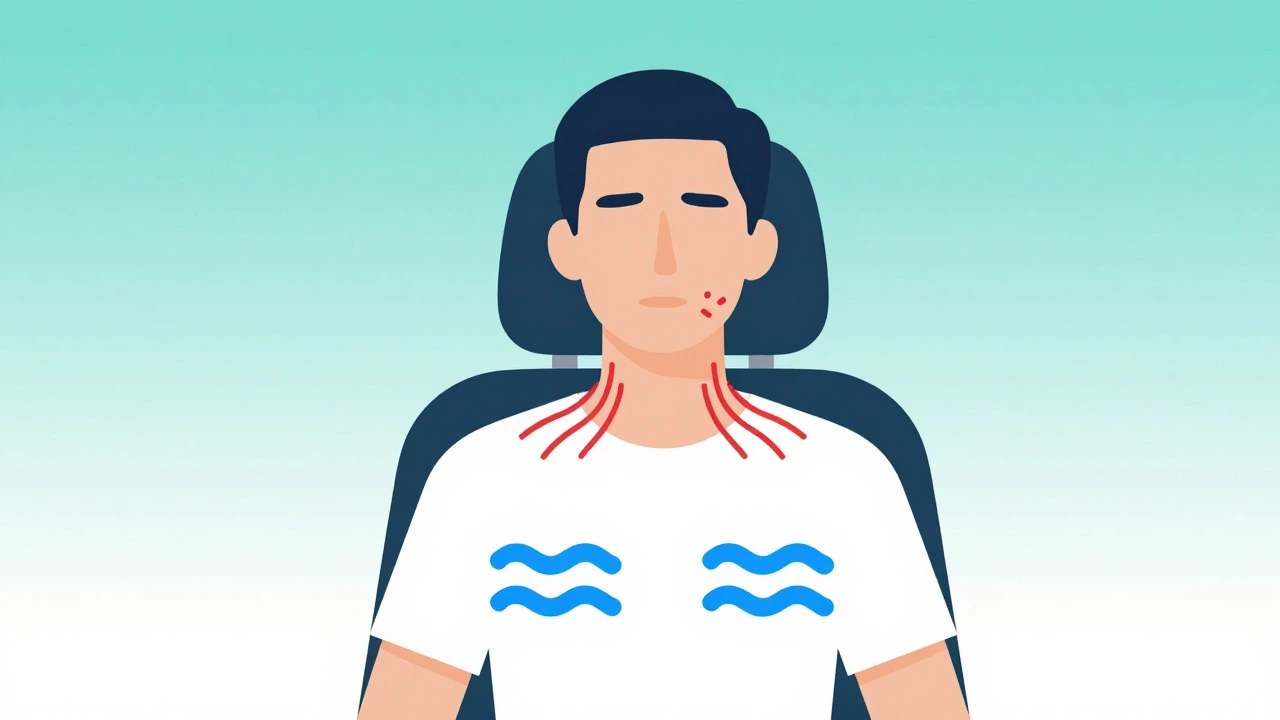
- The Progressive Muscle Relaxation (PMR) Scan: While parked or waiting at a red light, tense your toes hard for five seconds, then release. Move to your calves, thighs, stomach, hands, and finally your jaw. Notice the difference between tension and relaxation. Drivers often clench their jaws or white-knuckle the steering wheel without realizing it. PMR brings awareness back to those areas.
- Cold Water Shock: Keep a bottle of cold water in your car. Splashing a little on your wrists or the back of your neck can trigger the mammalian dive reflex, which instantly slows your heart rate. It sounds simple, but the temperature change acts as a circuit breaker for panic.
Mental Preparation and Visualization
Your mind is a powerful simulator. If you spend the morning imagining missing a gear or stalling at a junction, your brain starts to believe it will happen. Instead, practice positive visualization. Before you even get in the car, close your eyes for two minutes. Picture yourself starting the engine smoothly, checking your mirrors calmly, and pulling away confidently. Imagine handling a difficult situation, like a sudden stop, with ease. See yourself succeeding. Athletes use this exact method to improve performance, and it works just as well for driving.
Another mental trick is the "Worst-Case Scenario" analysis. Ask yourself: "What is the absolute worst thing that could happen?" Usually, the answer is something minor, like stalling the car or needing to pull over. Then ask, "Can I handle that?" The answer is almost always yes. Stalling is embarrassing but harmless. Knowing you can cope with the worst outcome removes the mystery and fear surrounding it.
Creating a Pre-Drive Routine
Routines create predictability, and predictability reduces anxiety. Establish a consistent pre-drive ritual that signals to your brain that it is time to focus, not freak out.
- The Safety Check Ritual: Make your mirror adjustments and seat positioning a meditative process. Don't rush. Take your time to ensure you are comfortable. A comfortable driver is a relaxed driver. If your hips are too far from the pedals or your neck is craned forward, your body stays in a state of low-level stress.
- Audio Environment Control: Music matters. Avoid high-tempo rock or aggressive podcasts that might raise your arousal level. Choose instrumental music, lo-fi beats, or calming audiobooks. Some learners find silence helpful, while others need background noise to drown out internal chatter. Experiment to find what works for you.
- Phone Away: Put your phone on Do Not Disturb and place it in the glove box or bag. The mere presence of a smartphone has been shown to reduce cognitive capacity. Removing the temptation to check notifications eliminates a major source of distraction and micro-stress.
Tips for the Driving Test Day
If your nerves are specifically tied to the driving test, the stakes feel higher because there is an examiner watching. Remember that the examiner wants you to pass. They are looking for safety, not perfection. A small mistake is rarely a fail unless it causes danger.
Arrive early. Rushing to the test center spikes your cortisol levels before you even start. Give yourself twenty minutes to spare so you can walk around, breathe, and settle in. When you enter the car, don't jump straight into the ignition. Take a moment to adjust your mirrors and seat again. Use this time to do your box breathing. Treat the examiner like a passenger who happens to be very quiet. Talk to them if you need to, but keep your focus on the task.
If you make a mistake during the test, acknowledge it internally-"Okay, I missed that gear"-and immediately move on. Dwelling on the error causes the next one. Most candidates who fail do so because they panic after one minor fault and compound it with bigger mistakes. Stay present. One junction at a time.
Building Long-Term Confidence
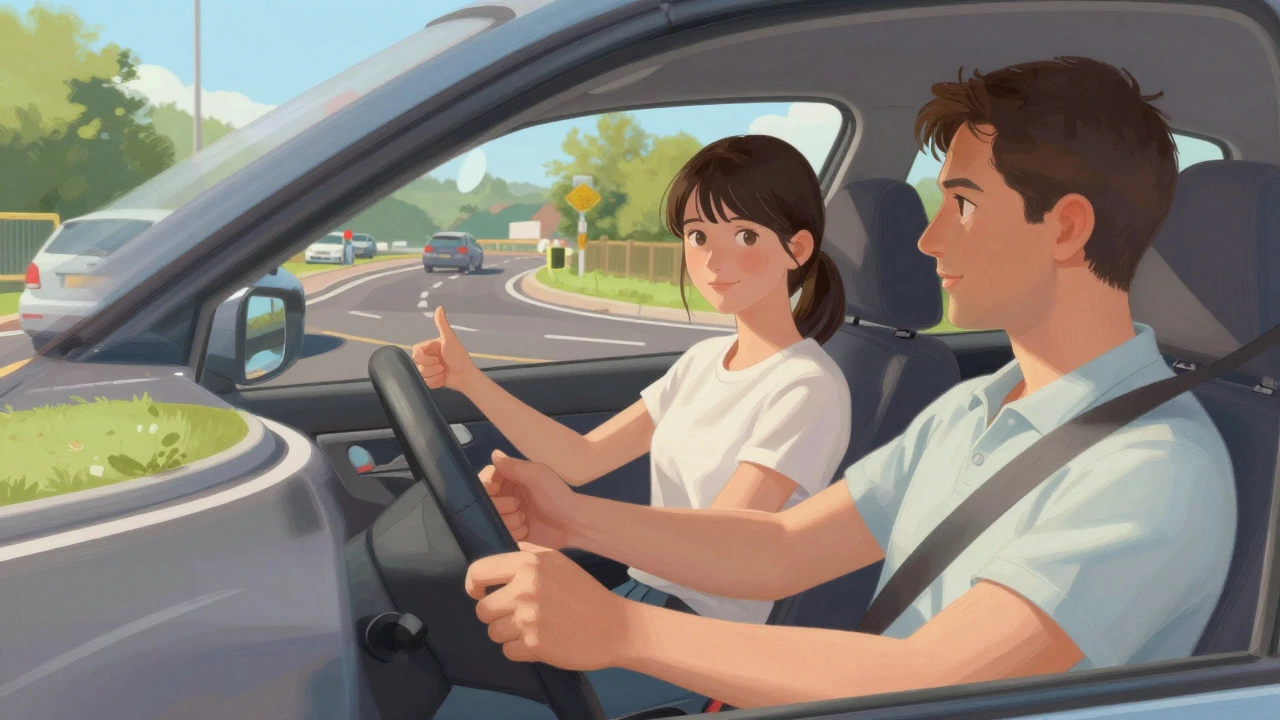
Calmness comes from competence. The more you drive, the less scary it becomes. But practice needs to be smart. Start with easy routes in quiet residential areas during off-peak hours. Gradually introduce complexity: try a busier street, then a roundabout, then a motorway. This is called systematic desensitization. You are slowly exposing yourself to stressors in a controlled environment, building your tolerance bit by bit.
Consider taking extra lessons with a different instructor if you feel stuck. Sometimes, a fresh perspective or a different teaching style can break through mental blocks. Additionally, look into Pass Plus courses or advanced defensive driving training once you pass. These courses build confidence by teaching you how to handle unexpected situations, which reduces the fear of the unknown.
| Technique | Best Used When... | Time Required | Effectiveness Level |
|---|---|---|---|
| Box Breathing | Parked or stopped at lights | 1-2 minutes | High (Immediate physiological reset) |
| Visualization | Night before or morning of test | 5-10 minutes | Medium-High (Long-term mindset shift) |
| Progressive Muscle Relaxation | Feeling physical tension/clenching | 2-3 minutes | High (Reduces muscle stiffness) |
| Cold Water Splash | Panic attack or extreme stress | Seconds | Very High (Emergency reset) |
When to Seek Professional Help
For most people, these techniques work wonders. However, some individuals suffer from severe driving phobia (amaxophobia), where the fear is debilitating and prevents them from driving at all. If your anxiety leads to vomiting, fainting, or complete avoidance of cars despite wanting to drive, consider speaking to a therapist. Cognitive Behavioral Therapy (CBT) is highly effective for phobias. It helps you identify irrational thoughts and replace them with realistic ones. There is no shame in seeking professional support; it is a tool, just like a co-driver.
Frequently Asked Questions
Is it normal to be nervous before a driving lesson?
Yes, it is completely normal. Most new drivers feel some level of anxiety, especially in the first few lessons. This nervousness usually decreases as you gain experience and confidence behind the wheel. It is your body's natural response to learning a new skill with potential risks.
What should I do if I panic while driving?
If you feel panic rising, signal safely and pull over to the side of the road or a quiet parking spot. Turn on your hazard lights. Take deep breaths using the box breathing technique until your heart rate slows down. Do not try to push through severe panic while moving; stopping is safer than driving distracted by fear.
Can medication help with driving anxiety?
Some doctors prescribe beta-blockers for performance anxiety, which can help control physical symptoms like shaking and rapid heartbeat. However, always consult a doctor before taking any medication while driving, as some drugs can cause drowsiness or slow reaction times, which may disqualify you from holding a license.
How can I stop being afraid of roundabouts?
Fear of roundabouts often stems from uncertainty about when to go. Practice the "mirror-signal-manoeuvre" routine strictly. Approach slowly, check mirrors, and only enter when there is a safe gap. Visualize your exit before entering. With repetition, the decision-making process becomes automatic, reducing anxiety.
Does listening to music help calm nerves while driving?
It depends on the type of music. Calm, instrumental, or familiar songs can lower stress levels. However, loud, fast-paced, or emotionally charged music can increase arousal and distract you. Experiment with different genres to find what helps you focus without raising your heart rate.