

UK Theory Test Pass Probability Estimator
The average pass rate for the UK car theory test is approximately 47-50%. This tool helps you estimate your personal odds by analyzing key preparation factors identified in DVSA data.
Hazard perception accounts for 50% of the test. Many fail here due to lack of practice.
Your Estimated Pass Probability
Current Estimate: 0%
Baseline average: ~47%
Personalized Advice
You’ve booked your slot. You’ve downloaded the app. You’ve done a few mock tests and felt pretty good about it. But then that nagging question creeps in: how many people actually pass the theory test first time?
If you’re feeling nervous, you’re not alone. The anxiety is real, but so are the numbers. Knowing exactly where you stand statistically can change how you prepare. It stops being a guessing game and starts being a strategy.
The Hard Truth About Pass Rates
Let’s cut through the noise. According to the latest data from the DVSA (Driver and Vehicle Standards Agency), the average pass rate for the car theory test hovers around 47% to 50%. Yes, you read that right. Roughly half of everyone who sits the exam fails on their first attempt.
This isn’t because the questions are impossible. It’s because most people underestimate the specific nature of the test. They study for general knowledge rather than learning the precise wording of the Highway Code and the mechanics of hazard perception. If you walk in thinking "I know how to drive," you’ll likely join that 50% who have to rebook.
But here’s the silver lining: this statistic works in your favor if you prepare correctly. Since the failure rate is high due to poor preparation methods, simply changing how you study can push your odds well above 50%. We aren’t talking about luck; we’re talking about method.
Breaking Down the Two Parts of the Test
To understand why people fail, you need to look at the two distinct components of the exam. You don’t just get one score; you have to pass both sections independently. Failing one means failing the whole test.
| Component | Questions/Items | Pass Mark | Common Pitfall |
|---|---|---|---|
| Multiple Choice | 50 questions | 43 out of 50 | Misreading negative phrasing (e.g., "which is NOT") |
| Hazard Perception | 14 video clips | 44 out of 75 | Clicking too early or too late |
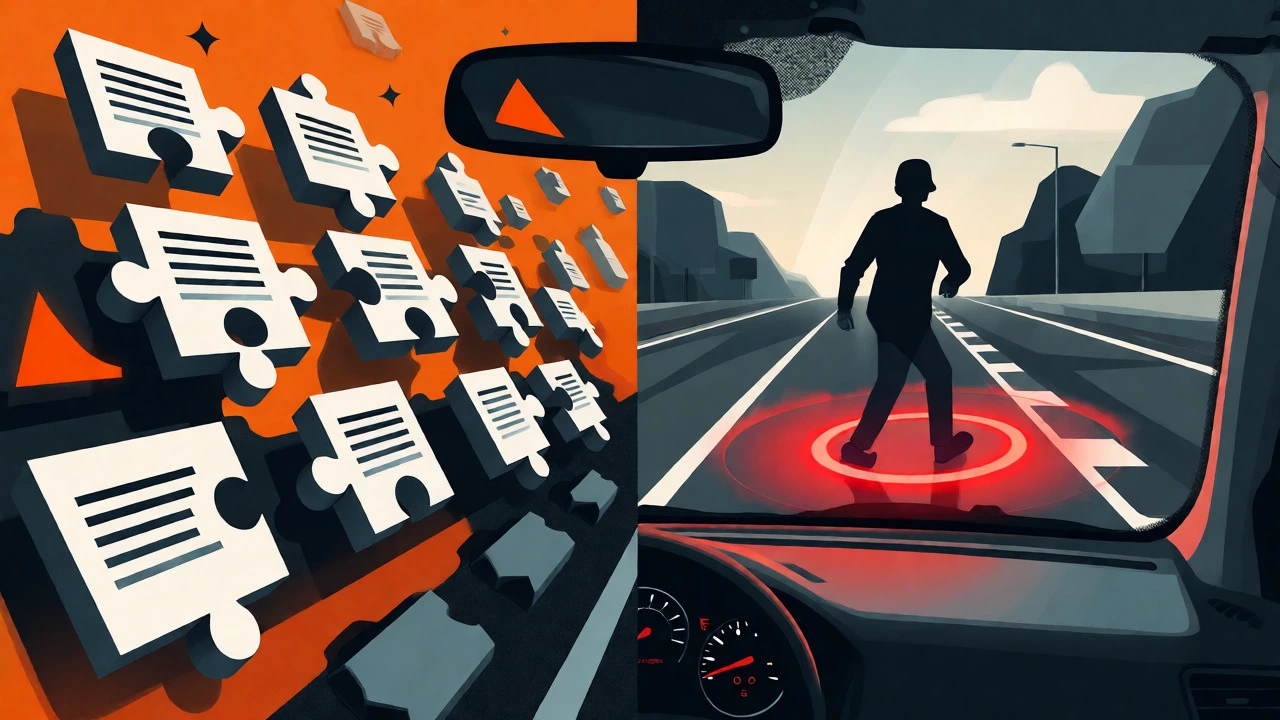
The multiple-choice section is where most candidates feel confident. It feels like school exams-read the question, pick the answer. But the hazard perception clip section is where the rubber meets the road. This part tests your ability to spot developing hazards in real-time video scenarios. There are no second chances here. Once a clip plays, it’s gone.
Why do people fail hazard perception more often than they admit? Because it’s passive. Watching videos doesn’t train your reflexes. Clicking along with practice apps does. If you haven’t practiced clicking at the exact moment a hazard develops, you will miss the scoring window. The system looks for clicks within a specific timeframe after the hazard appears. Miss that window by a second, and you score zero for that clip.
Who Actually Passes? Demographics Matter
Not everyone has the same statistical chance. Your age, gender, and even the region you live in play a role in these averages. When we dig into the DVSA annual reports, patterns emerge that might surprise you.
Generally, younger learners aged 17-19 tend to have slightly lower pass rates compared to those in their mid-20s. Why? Often, it’s a lack of structured revision. Younger drivers rely heavily on intuition and less on rote memorization of the Highway Code rules. Conversely, older learners often perform better on the multiple-choice section because they approach it with discipline, though they may struggle slightly more with the speed required for hazard perception.
There’s also a notable gap between male and female pass rates. Historically, women have shown higher pass rates in the theory test compared to men. Some theories suggest this is due to greater attention to detail and rule adherence, while others point to different risk-taking behaviors during the learning process. Whatever the reason, if you fit the demographic profile of a typical "high-risk" candidate (young, male, rushed preparation), you need to work twice as hard to beat the average.
The "First-Time Fail" Phenomenon
Here is a controversial take: many people fail the first time because they try to cram. The theory test isn’t designed to be learned overnight. It requires familiarity with specific legal terms and visual cues.
Think about the question regarding "stopping distances." You don’t just need to know that wet roads double the distance. You need to know the exact meter figures for 20mph, 30mph, 40mph, etc. If you guess based on logic rather than memory, you’ll get it wrong. The test asks for facts, not approximations.
Another major factor is the booking pressure. In busy areas like London or Manchester, getting a test slot can take weeks. Candidates book months in advance, panic-study the week before, and burn out. By the time they sit the exam, they are mentally exhausted. A relaxed mind processes information faster than a panicked one.
How to Beat the Odds (And Join the Top 50%)
If you want to move from the "likely to fail" group to the "confident passer" group, you need to change your routine. Here is a practical checklist derived from analyzing successful candidates:
- Use Official Materials Only: Stick to the official DVSA revision books and apps. Third-party apps sometimes use outdated legislation or poorly translated questions.
- Practice Hazard Perception Daily: Don’t binge-watch clips. Do 3-5 clips every day for two weeks. Consistency beats intensity.
- Learn the Numbers: Memorize stopping distances, speed limits for different vehicle types, and alcohol limits. These are free marks if you know them, lost points if you guess.
- Read the Question Twice: Especially watch out for words like "except," "not," or "always." One missed word changes the entire answer.
- Simulate Exam Conditions: Take full-length mock tests without pausing. Build your stamina for the 57-minute duration.
One pro tip: when practicing hazard perception, listen to the audio cues. Often, the sound of tires skidding or a horn honking happens milliseconds before the visual hazard appears. Training your ears gives you a split-second advantage.

What Happens If You Fail?
Failing isn’t fatal. It’s just a delay. You can retake the theory test after three working days. However, remember that you cannot book your practical test until you have passed the theory. So, a failed theory test pushes back your driving lesson schedule and potentially your license date.
Many people who fail the first time pass easily the second time. Why? Because they now know exactly what the questions look like. The shock value is gone. Use that experience. Review your feedback sheet-it tells you which categories you struggled with (e.g., "Alertness" or "Vehicle Handling"). Focus your next round of revision solely on those weak spots.
Final Thoughts on Preparation
The statistic says 50% fail. But that number includes people who didn’t show up properly prepared, people who guessed, and people who ignored the hazard perception practice. If you commit to two weeks of focused, daily practice using official resources, your personal pass probability skyrockets. You aren’t competing against the average person; you’re competing against the unprepared ones.
So, stop worrying about the global stats and start tracking your own mock scores. If you’re consistently hitting 48/50 in practice and scoring 60+ in hazard perception, you’re ready. Go get that pass certificate.
Is the theory test harder than the practical test?
Statistically, yes. The pass rate for the practical driving test is generally higher (around 48-50% depending on location) than the theory test's consistent ~47%. However, the theory test requires memorizing abstract rules, whereas the practical test relies on physical skill and instructor guidance, which many find easier to grasp through repetition.
Can I take the theory test in Welsh?
Yes, if you are taking the test in Wales, you can choose to take the multiple-choice questions in Welsh. The hazard perception clips remain in English with subtitles available in Welsh. Ensure you select this option when booking your appointment.
How long is my theory test pass valid?
Your theory test pass certificate is valid for two years. You must pass your practical driving test within this period. If you fail the practical test and the two-year window expires, you will have to retake the theory test before you can book another practical exam.
Do I need to bring anything to the theory test?
You must bring your provisional driving licence. If you have an old-style paper licence, you must also bring a valid passport. Without proper ID, you will not be allowed to take the test, and you will lose your booking fee.
Are there breaks during the theory test?
No. The test is continuous. You complete the 50 multiple-choice questions first, followed immediately by the hazard perception section. You cannot pause the timer. Plan your bathroom break before entering the testing room.