
California Driving Lesson & Cost Estimator
Your Profile
Estimated Plan
Recommendation
Adjust your profile to see recommendations.
You’re sitting in the passenger seat, gripping the door handle as your instructor navigates a busy intersection. The question on everyone’s mind isn’t just about passing the test-it’s about how much time you actually need to spend behind the wheel to feel safe and confident. In California, there is no single magic number for driving lessons, but understanding the official requirements versus real-world expectations can save you money, stress, and potentially dangerous situations on the road.
The short answer? Most new drivers in California need between 40 and 60 hours of supervised practice, with at least 10 hours occurring at night. However, the actual number varies wildly depending on your age, experience, and learning speed. Let’s break down exactly what the Department of Motor Vehicles (DMV) requires, what instructors recommend, and how to track your progress effectively.
Understanding California’s Legal Requirements for Teen Drivers
If you are under 18 years old, California law is strict. You cannot get a full driver’s license without completing specific milestones through the Graduated Driver Licensing (GDL) program. This system is designed to ease young drivers into independent driving gradually, reducing accident rates among the most vulnerable demographic.
To move from a learner’s permit to a provisional license, you must complete:
- 50 hours of supervised driving: These hours must be logged while driving with a licensed adult who is at least 25 years old (or a parent/guardian).
- 10 hours of nighttime driving: Included within the 50 hours, these must occur after sunset and before sunrise.
- A certified driver education course: If you are under 18, you must complete a state-approved driver ed class (30 hours of classroom instruction or online equivalent) before applying for a permit.
Note that these 50 hours are not necessarily "professional" driving lessons with an instructor. They are primarily supervised practice with family members. However, many teens choose to supplement this with professional lessons to build confidence faster.
| Requirement | Details | Who Supervises? |
|---|---|---|
| Supervised Driving Hours | 50 total hours | Adult 25+ or Parent/Guardian |
| Nighttime Driving | 10 hours (included in 50) | Adult 25+ or Parent/Guardian |
| Driver Education | 30 hours classroom/online | Certified Instructor |
| Minimum Permit Holding Period | 6 months | N/A |
What About Adult Learners Over 18?
If you are 18 or older, California does not legally require any specific number of driving lessons or supervised hours. You can apply for a learner’s permit, study the handbook, and schedule your driving test whenever you feel ready. This freedom sounds appealing, but it comes with a catch: the DMV driving test is rigorous. Without structured practice, many adults fail their first attempt due to lack of muscle memory or poor hazard perception.
Most professional driving instructors recommend a minimum of 10 to 15 private lessons for adult beginners. Each lesson typically lasts one hour. This range allows you to cover essential skills like parallel parking, highway merging, and defensive driving techniques. If you have zero experience, you might need closer to 20 lessons to feel comfortable taking the test.
Consider this scenario: Sarah, a 22-year-old college student, decided to learn to drive without formal lessons. She practiced with her boyfriend for two weeks. When she took the DMV test, she struggled with lane changes and failed because she didn’t know how to check blind spots properly. After hiring an instructor for five focused lessons, she passed on her second try. Her story highlights why professional guidance matters, even for adults.
Professional Lessons vs. Family Practice: What’s the Difference?
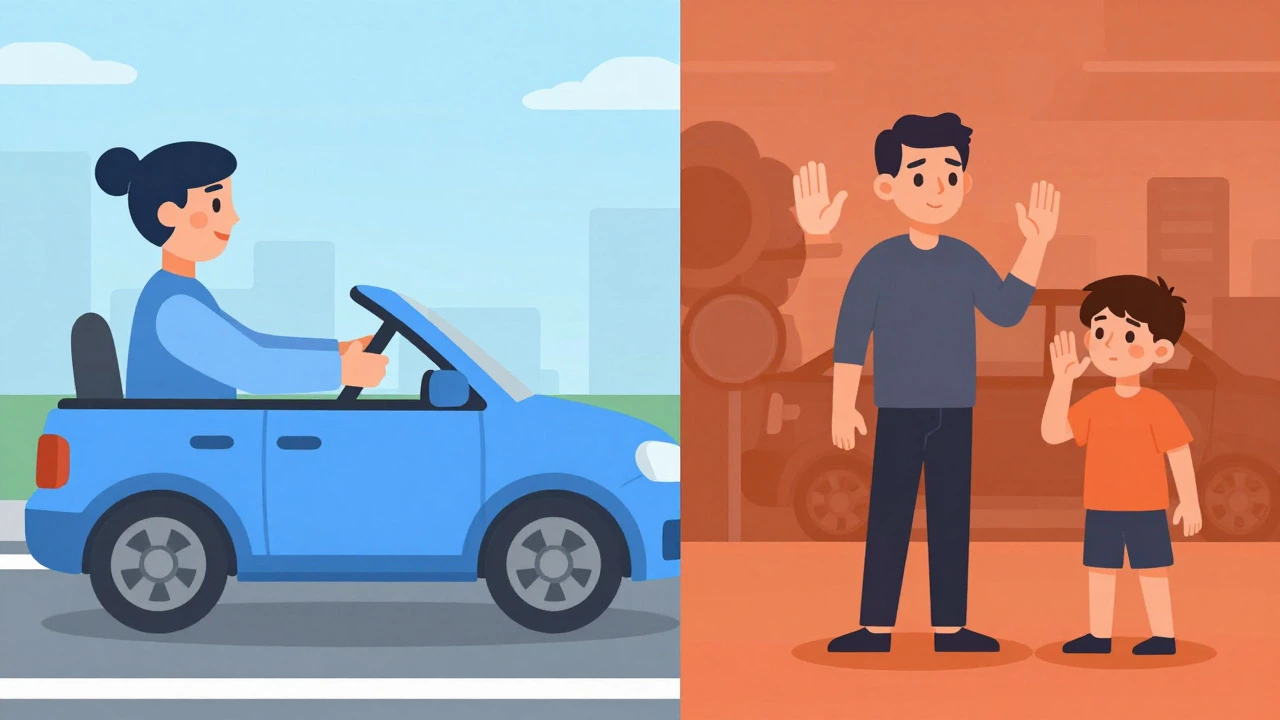
It’s important to distinguish between the 50 hours of supervised practice required for teens and professional driving lessons. Professional lessons are taught by certified instructors who use dual-control vehicles and follow a structured curriculum. These lessons focus on technical skills, traffic laws, and safety habits.
Family practice, on the other hand, is often unstructured. Parents may not know the latest DMV testing criteria or how to correct bad habits early. While family practice is crucial for building endurance and familiarity with different roads, it should complement-not replace-professional instruction.
Here’s a breakdown of when to use each:
- Professional Lessons: Best for learning core skills, preparing for the DMV test, and correcting mistakes. Aim for 10-20 hours total.
- Family Practice: Best for gaining mileage, practicing in various weather conditions, and building confidence. Aim for 30-40 hours total.
Factors That Influence How Many Lessons You Need
Not everyone learns at the same pace. Several factors can increase or decrease the number of lessons you need:
- Prior Experience: Have you driven before? Even informal experience can reduce the number of lessons needed.
- Anxiety Levels: Nervous learners often need more time to build confidence. Instructors can help manage this, but it takes extra sessions.
- Location: Living in a dense urban area like Los Angeles or San Francisco means dealing with heavy traffic, pedestrians, and complex intersections. Rural areas may offer simpler driving conditions but fewer opportunities to practice highway merging.
- Vehicle Type: Learning in an automatic car is generally easier than in a manual transmission vehicle. If you plan to drive a stick shift, expect to add 5-10% more time to your training.
- Consistency: Taking lessons weekly helps reinforce skills. Long gaps between lessons can lead to forgetting key techniques.
How to Track Your Progress Effectively
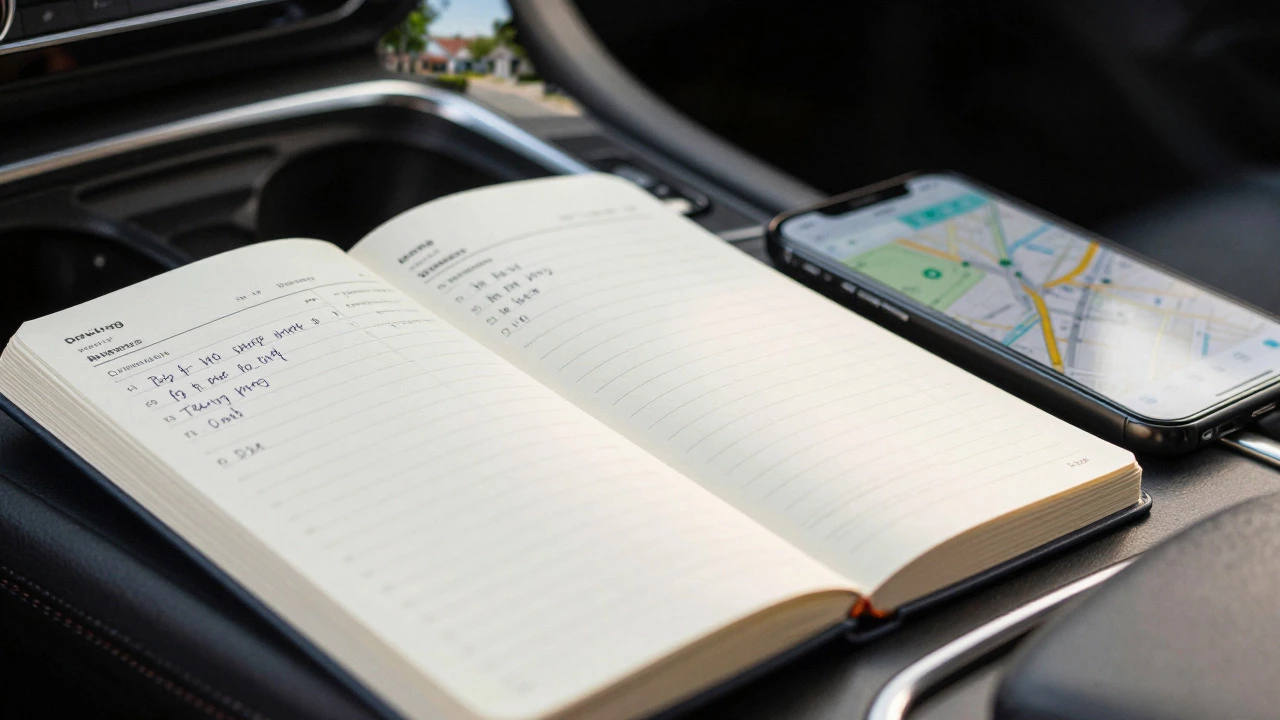
Keeping a logbook is essential, especially for teen drivers. California provides an official driver’s education certificate and a logbook form (DL 950) that you must submit with your license application. For adults, creating your own tracking system can be just as helpful.
Use a simple spreadsheet or app to record:
- Date and time of each session
- Type of driving (city, highway, night, rain)
- Skills practiced (parallel parking, roundabouts, etc.)
- Instructor feedback or notes
This data helps you identify weak areas. For example, if you notice you’re struggling with left turns, you can ask your instructor to focus on that skill in the next lesson.
Cost Considerations: Is It Worth Investing More?
Driving lessons in California vary in price. On average, a one-hour private lesson costs between $50 and $75. Package deals often reduce the per-hour cost. For instance, a package of 10 lessons might cost $550 instead of $750.
While it might be tempting to minimize lessons to save money, consider the cost of failing the DMV test. Each retake requires a new appointment and a fee. Plus, the stress of multiple failures can discourage some learners entirely. Investing in enough lessons to pass on the first try is usually the most economical choice.
Additionally, insurance companies sometimes offer discounts for completing certified driver education courses. Check with your provider to see if extra lessons or a formal course could lower your premiums.
Preparing for the DMV Driving Test
The final goal is passing the behind-the-wheel test. To maximize your chances, schedule a mock test with your instructor. They can simulate the exact routes and maneuvers used by DMV examiners. This rehearsal reduces anxiety and ensures you’re familiar with the testing environment.
Key tips for test day:
- Arrive early to calm your nerves.
- Bring all required documents (permit, proof of insurance, registration).
- Dress comfortably and wear appropriate footwear.
- Listen carefully to the examiner’s instructions.
- Don’t rush-take your time to check mirrors and signals.
Remember, the examiner is looking for safe, controlled driving, not perfection. Small mistakes won’t automatically fail you, but major violations like rolling stops or hitting curbs will.
Do I need professional driving lessons to get my license in California?
No, professional lessons are not legally required for anyone over 18. For teens under 18, only driver education (classroom/online) is mandatory; the 50 hours of supervised driving can be done with family. However, professional lessons are highly recommended for both groups to ensure readiness for the DMV test.
How long does it take to complete 50 hours of driving practice?
It depends on your schedule. If you practice 5 hours per week, it will take about 10 weeks. Many teens spread this out over several months alongside school commitments. Consistency is key to retaining skills.
Can I count driving with my parents toward the 50-hour requirement?
Yes, absolutely. The 50 hours must be supervised by a licensed adult aged 25 or older, which includes parents, guardians, or other qualified relatives. Just make sure to log every hour accurately.
What happens if I fail my driving test?
You can reapply for another test date. There is no limit to how many times you can retake it. However, you’ll need to pay the test fee again. Use the failure as a learning opportunity-ask the examiner for feedback and practice those specific skills before your next attempt.
Are online driver ed courses accepted in California?
Yes, the California DMV accepts state-approved online driver education courses for teens under 18. These courses provide the same 30 hours of classroom instruction as traditional classes and are often more flexible for students with busy schedules.