
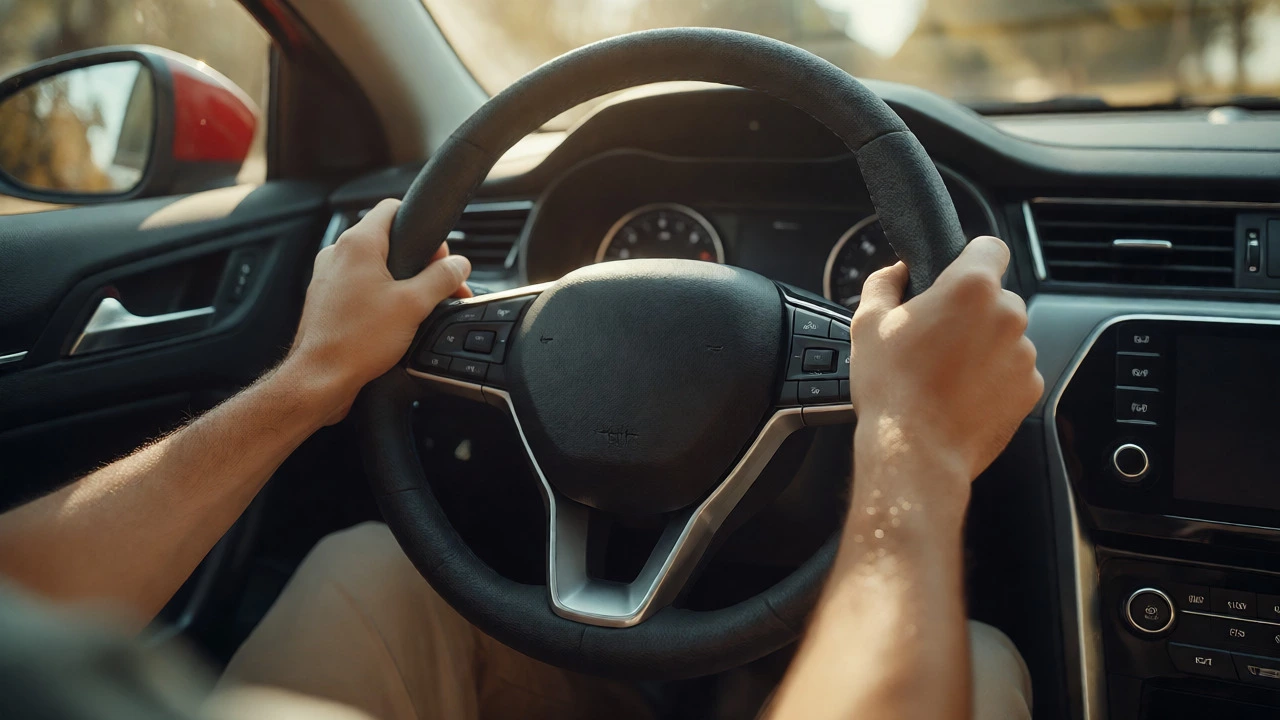
Beginner Driver Confidence Quiz
This interactive quiz helps you assess your understanding of the core concepts mentioned in the article. Select an answer for each question to receive immediate feedback.
Remember that sweaty-palmed feeling when you first sat behind the wheel? The engine hums, your foot hovers over the pedals, and suddenly every car on the road looks like a threat. You’re not alone. Most new drivers feel overwhelmed by the sheer number of things happening at once: mirrors, gears, speed limits, other cars, pedestrians. But here’s the good news-driving isn’t about memorizing rules; it’s about building habits. And those habits start with small, manageable steps.
Start With the Right Mindset (and the Right Car)
Before you even turn the key, get comfortable with your environment. If you’re in Wellington, NZ, you know the hills are no joke. Practice on quiet residential streets before tackling windy coastal roads or busy city intersections. Choose a car that feels manageable-not too big, not too powerful. Many learners make the mistake of jumping into a manual transmission without realizing how much clutch control distracts from watching the road. Automatic cars let you focus on steering and observation, which matters more in the early stages.
Adjust your seat so you can see clearly over the dashboard and reach the pedals comfortably. Check your mirrors: rearview centered, side mirrors angled to minimize blind spots. Yes, this sounds basic, but skipping these steps leads to constant fidgeting mid-drive, which breaks concentration.
Master Vehicle Controls Before Hitting Traffic
You don’t need to know every button on the dashboard yet. Focus on what keeps you safe: steering, acceleration, braking, and gear shifting (if applicable). Spend time in an empty parking lot practicing smooth starts and stops. Notice how gently pressing the accelerator moves the car forward, and how gradual pressure on the brake brings it to a halt. Jerky movements scare passengers-and yourself.
- Steering: Use both hands at the 9 and 3 o’clock positions. Avoid crossing arms unless turning sharply.
- Gears: In manuals, learn the bite point-the moment the clutch engages. Stalling happens when you release the clutch too fast.
- Braking: Press progressively, not abruptly. Anticipate stops to avoid last-minute panic brakes.
If you stall repeatedly, don’t stress. It’s part of the learning curve. Even seasoned drivers occasionally misjudge a hill start. What matters is resetting calmly and trying again.
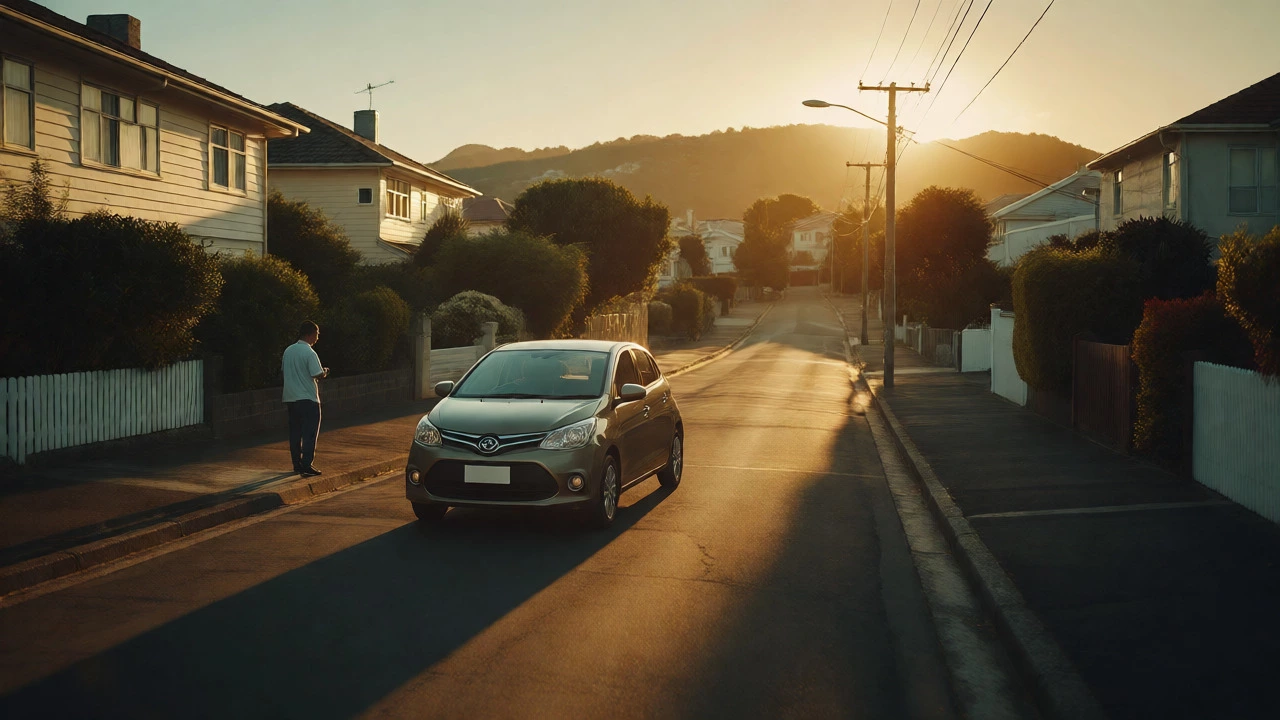
Learn Road Awareness Through Observation
Driving isn’t just about moving the car-it’s about reading the scene around you. Beginners often tunnel-vision on the car directly ahead. Instead, scan far ahead, check mirrors every 5-8 seconds, and glance at blind spots before changing lanes or turning. This habit, called “scanning,” reduces surprises.
In urban areas, watch for parked cars (doors might open), cyclists signaling turns, and pedestrians stepping off curbs. In rural zones, expect wildlife crossings or slow-moving farm vehicles. Adjust your speed accordingly. There’s no shame in driving slower than others if conditions demand it-just stay predictable.
Practice Core Maneuvers Until They Feel Natural
Three maneuvers trip up most beginners: reversing, parallel parking, and turning at intersections. Don’t try them all at once. Start with reversing in a straight line using reference points (like aligning the rear bumper with a curb). Then practice turning while checking over your shoulder for bikes or scooters-a critical step many forget.
| Maneuver | Common Mistake | Quick Fix |
|---|---|---|
| Parallel Parking | Turning wheels too late | Align rear tires with front car’s rear bumper before starting reverse |
| Hill Starts (Manual) | Releasing handbrake too soon | Wait until engine revs slightly and car begins to move forward |
| Right Turns | Cutting corners | Stay in lane; let the intersection guide your arc |
Repeat each maneuver until you stop thinking about it. That’s when confidence kicks in.
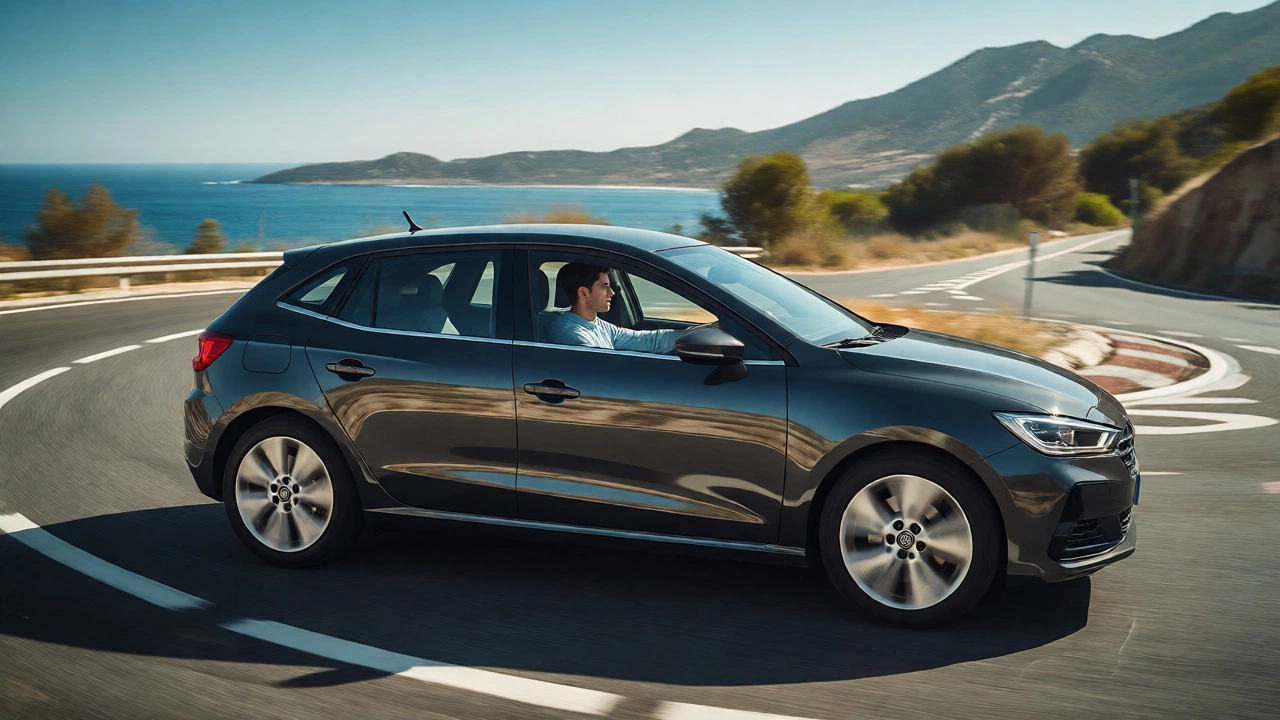
Build Confidence Gradually With Real-World Drives
Once you handle basics in low-stress settings, add complexity slowly. Try daytime drives in light traffic before attempting rush hour. Navigate roundabouts during off-peak hours. In Wellington, the Oriental Parade stretch offers scenic but calm routes perfect for building comfort. Bring a calm passenger-not a critic-to help monitor hazards without adding pressure.
Track your progress. Did you change lanes smoothly today? Did you yield properly at a give-way sign? Small wins matter. Over time, you’ll notice fewer mistakes and faster reactions.
Avoid Common Beginner Pitfalls
Most accidents involving new drivers stem from distraction, poor judgment of speed/distance, or failure to observe. Put your phone away-fully. Not on silent, not face-down. Out of sight. Also, resist the urge to match traffic speed blindly. If you’re unsure, pull over safely and reassess rather than forcing a decision under pressure.
Another trap: overcorrecting. If you drift slightly within your lane, ease back gently instead of jerking the wheel. Smooth inputs keep passengers comfortable and reduce tire wear.
How long does it take to become a confident beginner driver?
It varies, but most learners need 20-40 hours of supervised practice plus private driving to feel comfortable. Consistency beats marathon sessions-short, frequent drives build better habits than one long weekend session.
Should I learn on an automatic or manual car?
Automatics simplify the learning process by removing clutch coordination, letting you focus on road awareness. Manuals offer more control and lower fuel costs long-term, but require extra practice. Choose based on your goals and local availability-in NZ, automatics dominate rental fleets, making them practical for future travel.
What’s the biggest mistake beginners make on their first solo drive?
Overconfidence after passing a test. Passing doesn’t mean mastery. Stick to familiar routes initially, avoid night driving or bad weather until you’ve logged several hundred kilometers, and always plan your route beforehand to reduce navigation stress.
Do I need professional lessons, or can I practice with family?
Professional instructors teach standardized techniques and hazard perception skills that friends/family might miss due to emotional bias. However, combining both works best: formal lessons for structure, family drives for repetition. Just ensure your supervisor has a full license and stays calm.
How do I handle nervousness while driving?
Nervousness fades with exposure. Start small, celebrate progress, and remind yourself that errors are data, not failures. Deep breathing before driving helps, and choosing times with less traffic reduces cognitive load. Most learners report feeling significantly calmer after 10-15 hours of practice.