

ADHD Driving Risk & Medication Impact Simulator
Adjust the sliders to simulate different driving conditions and treatment statuses.
Real-Time Risk Analysis
Imagine sitting behind the wheel, eyes fixed on the road, but your mind is somewhere else entirely. For millions of people living with Attention Deficit Hyperactivity Disorder (ADHD), this isn't just a bad day-it's a daily reality. The question on everyone's mind is simple yet complex: do medications designed to treat ADHD symptoms actually make you a safer driver?
The short answer is yes, but with significant caveats. Medication can improve focus and reduce impulsivity, which are critical skills for driving. However, it doesn't automatically grant a license or eliminate risk. In fact, some studies suggest that while medication helps cognitive function, it may not fully offset the elevated crash risk associated with untreated ADHD. This guide breaks down what the science says, how medications affect your ability to drive, and practical steps you can take to stay safe on the road.
How ADHD Affects Driving Performance
To understand if medication helps, we first need to look at how ADHD impacts driving in the first place. Driving requires sustained attention, quick decision-making, and impulse control-all areas where someone with ADHD might struggle. Research consistently shows that individuals with ADHD have higher rates of traffic violations, accidents, and near-misses compared to their neurotypical peers.
- Inattention: Missing traffic signs, failing to notice pedestrians, or drifting out of lanes due to lapses in focus.
- Impulsivity: Speeding, tailgating, or making sudden lane changes without checking blind spots.
- Hyperactivity: Feeling restless while stuck in traffic, leading to aggressive driving behaviors or frequent distractions like fiddling with the radio.
A study published in the Journal of Attention Disorders found that drivers with ADHD were twice as likely to be involved in a crash than those without the condition. Even when controlling for age and gender, the risk remained high. This highlights why addressing these core symptoms is crucial for anyone who drives.
Do Stimulant Medications Improve Driving Skills?
Stimulant medications, such as methylphenidate (Ritalin) and amphetamine salts (Adderall), are the most common treatments for ADHD. These drugs work by increasing dopamine and norepinephrine levels in the brain, which enhances focus and reduces distractibility.
So, do they help with driving? Yes, but not always in the way you might expect. Clinical trials using simulated driving environments show that stimulants significantly improve reaction times and lane-keeping stability. Drivers on medication tend to make fewer errors related to inattention, such as missing signals or failing to yield.
| Metric | Without Medication | With Stimulant Medication |
|---|---|---|
| Reaction Time | Slower (0.5-1.0 seconds delay) | Faster (approaches neurotypical baseline) |
| Lane Deviations | Higher frequency | Reduced by up to 30% |
| Traffic Violations | Elevated risk | Decreased, but still above average |
| Crash Risk | 2x higher than general population | Reduces risk, but does not eliminate it |
However, real-world data tells a more nuanced story. While simulation tests show clear benefits, observational studies indicate that medicated drivers still have higher accident rates than non-ADHD drivers. Why? Because medication improves cognitive processing speed, but it doesn't necessarily teach defensive driving habits or correct ingrained behavioral patterns.
Non-Stimulant Options: What’s the Difference?
Not everyone responds well to stimulants, or prefers them due to side effects like insomnia or appetite suppression. Non-stimulant medications, such as atomoxetine (Strattera) and guanfacine (Intuniv), offer an alternative approach. These drugs work differently, targeting noradrenaline pathways rather than dopamine directly.
Research suggests that non-stimulants also improve driving performance, though perhaps less dramatically than stimulants. They provide smoother symptom control throughout the day, avoiding the "crash" effect some experience when stimulant doses wear off. For learners taking driving lessons, this consistency can be beneficial during long practice sessions.
One key advantage of non-stimulants is their lower potential for abuse and fewer cardiovascular side effects. If you’re worried about jitters or heart palpitations affecting your confidence behind the wheel, talking to your doctor about switching to a non-stimulant might be worth considering.

Potential Side Effects That Impact Driving
While medication can enhance focus, it can also introduce new challenges. Some side effects directly interfere with safe driving practices. It’s essential to monitor how your body reacts to any new prescription before getting behind the wheel.
- Drowsiness: Certain medications, especially older antihistamines sometimes used off-label for ADHD-related anxiety, can cause sedation. Drowsy driving is dangerous and should be avoided.
- Anxiety or Jitteriness: Stimulants may increase feelings of nervousness, leading to tense gripping of the steering wheel or overly cautious driving that disrupts traffic flow.
- Headaches: Common during the initial adjustment period, headaches can distract you from focusing on the road.
- Emotional Blunting: Some users report feeling emotionally detached, which could reduce empathy toward other drivers’ mistakes.
If you notice any of these side effects impacting your driving, don’t ignore them. Adjusting dosage or timing-such as taking medication earlier in the morning-can often mitigate these issues. Always consult your healthcare provider before making changes.
Practical Strategies for Safe Driving with ADHD
Medication alone isn’t enough. To truly become a safer driver, combine pharmacological treatment with behavioral strategies tailored to your needs. Here are actionable tips that go beyond basic advice:
- Use Technology Wisely: Install apps that block phone notifications while driving. Distraction is a major trigger for ADHD-related incidents. Features like Apple’s Focus Mode or Android’s Digital Wellbeing can automatically silence alerts when you start the car.
- Plan Routes Ahead: Unexpected detours cause stress and impulsive decisions. Use GPS navigation set to avoid tolls or highways if they make you anxious. Predictability reduces cognitive load.
- Take Regular Breaks: Fatigue exacerbates ADHD symptoms. On longer trips, stop every two hours to stretch, hydrate, and reset your mental state. Even a five-minute walk outside the car can refresh your focus.
- Practice Defensive Driving: Enroll in a specialized course designed for drivers with executive function challenges. Programs like Defensive Driving Courses emphasize hazard perception and anticipation, skills that complement medication effects.
- Keep Your Car Organized: Clutter creates visual noise. Remove unnecessary items from your dashboard and seats. A clean environment minimizes distractions and helps maintain concentration.
These small adjustments create a supportive framework around your medication, maximizing its benefits while minimizing risks.
Legal Considerations and Disclosure Requirements
In many jurisdictions, including New Zealand, there are legal obligations regarding medical conditions that affect driving. Under the Land Transport Act, drivers must disclose any condition that could impair their ability to operate a vehicle safely. ADHD itself isn’t automatically disqualifying, but uncontrolled symptoms might lead to temporary suspension until stability is achieved.
Your doctor plays a vital role here. They’ll assess whether your current treatment plan allows for safe driving and may require periodic reviews. Be honest about your experiences-both positive and negative-so they can adjust your care accordingly. Hiding information puts yourself and others at risk.
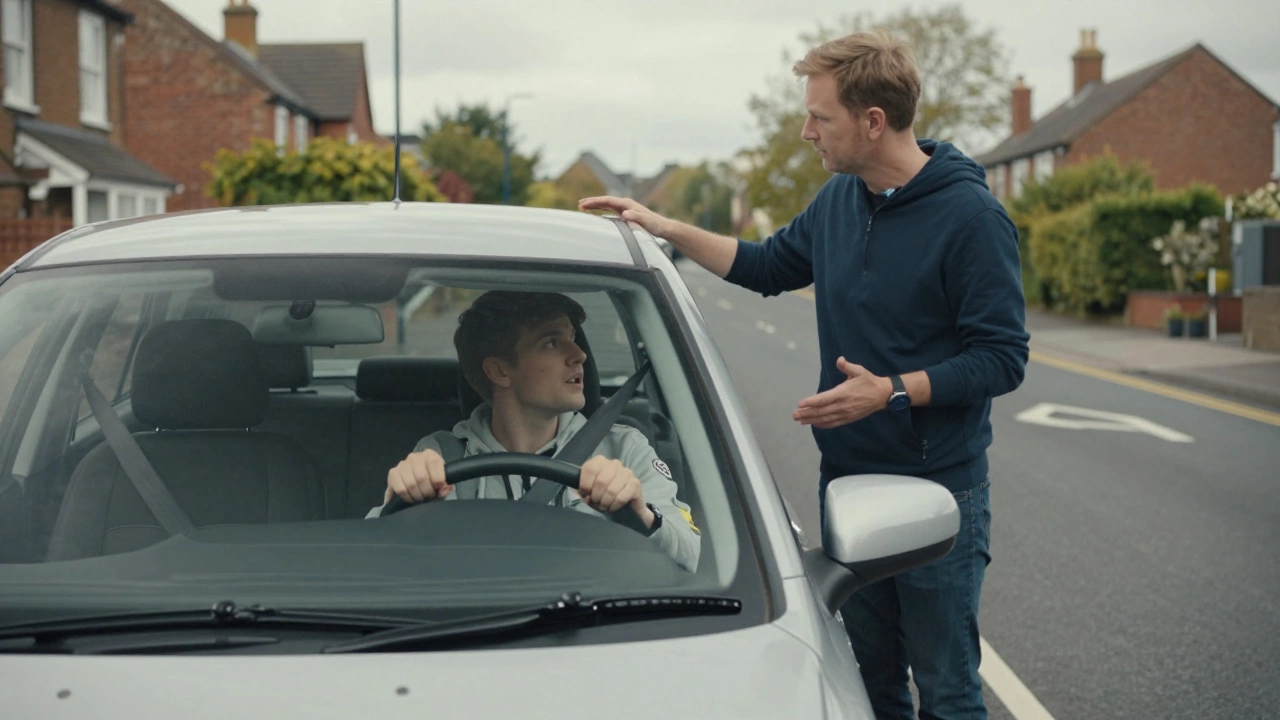
If you’re learning to drive, inform your instructor about your ADHD status. Good instructors adapt their teaching style to accommodate different learning paces, offering extra repetition for tricky maneuvers or breaking down complex tasks into manageable steps.
When Medication Isn’t Enough
Sometimes, despite optimal medication management, driving remains challenging. In these cases, additional support systems become necessary. Cognitive-behavioral therapy (CBT) has shown promise in helping individuals develop coping mechanisms for impulsivity and emotional regulation. Group support networks connect you with fellow drivers facing similar struggles, reducing isolation and sharing practical solutions.
For severe cases where driving poses unacceptable risk, exploring alternatives like public transport, ride-sharing services, or workplace accommodations may be prudent. Safety comes first, regardless of convenience.
Can I get my driver's license if I have ADHD?
Yes, having ADHD does not automatically prevent you from obtaining a driver's license. However, you must demonstrate that your symptoms are well-managed through medication, therapy, or other interventions. Licensing authorities may require medical clearance from your doctor confirming fitness to drive.
Does Adderall make me a better driver?
Adderall can improve focus and reduce impulsivity, potentially enhancing driving performance. Studies show improved reaction times and fewer lane deviations. However, it doesn't guarantee safety-behavioral habits and external factors still play significant roles. Always follow prescribed dosages and monitor side effects.
What happens if I forget my ADHD meds before driving?
If you miss your dose, avoid driving if possible. Untreated ADHD increases risks of inattention and impulsivity. Wait until you've taken your medication and observed its effects before operating a vehicle. Never double-up doses to compensate for missed ones.
Are there specific driving courses for people with ADHD?
While no universal curriculum exists specifically for ADHD, many driving schools offer personalized instruction focused on patience, repetition, and structured feedback. Look for instructors experienced with neurodivergent learners who prioritize gradual skill-building over rapid progression.
How long does it take for ADHD medication to stabilize for driving?
Stabilization varies depending on individual response and medication type. Typically, doctors recommend waiting 4-6 weeks after starting or adjusting medication before resuming regular driving activities. During this period, observe how the drug affects your alertness, mood, and coordination.