
California Driving School Age Eligibility Checker
Enter your date of birth and the day you plan to apply for a Learner's Permit. We'll show exactly which driver education requirements apply to you.
Driver Education Requirements
Most people assume that turning a certain age automatically waives the need for formal driving school in California. But the reality is more nuanced. The Department of Motor Vehicles (DMV) has specific thresholds for who must complete a state-approved driver education course and who can go straight to behind-the-wheel training. Getting this wrong can delay your license by months or cost you extra fees.
The short answer? There is no single age where you simply "don't have to" do driving school if you are a first-time applicant under 18. However, once you turn 18, the mandatory classroom component disappears entirely. Let’s break down exactly how the system works so you know what applies to your situation.
The Two-Part System: Classroom vs. Behind-the-Wheel
To understand the age rules, you first need to distinguish between two different types of training. California law separates driver education into two distinct phases. Confusing these two is the most common reason applicants get stuck in the process.
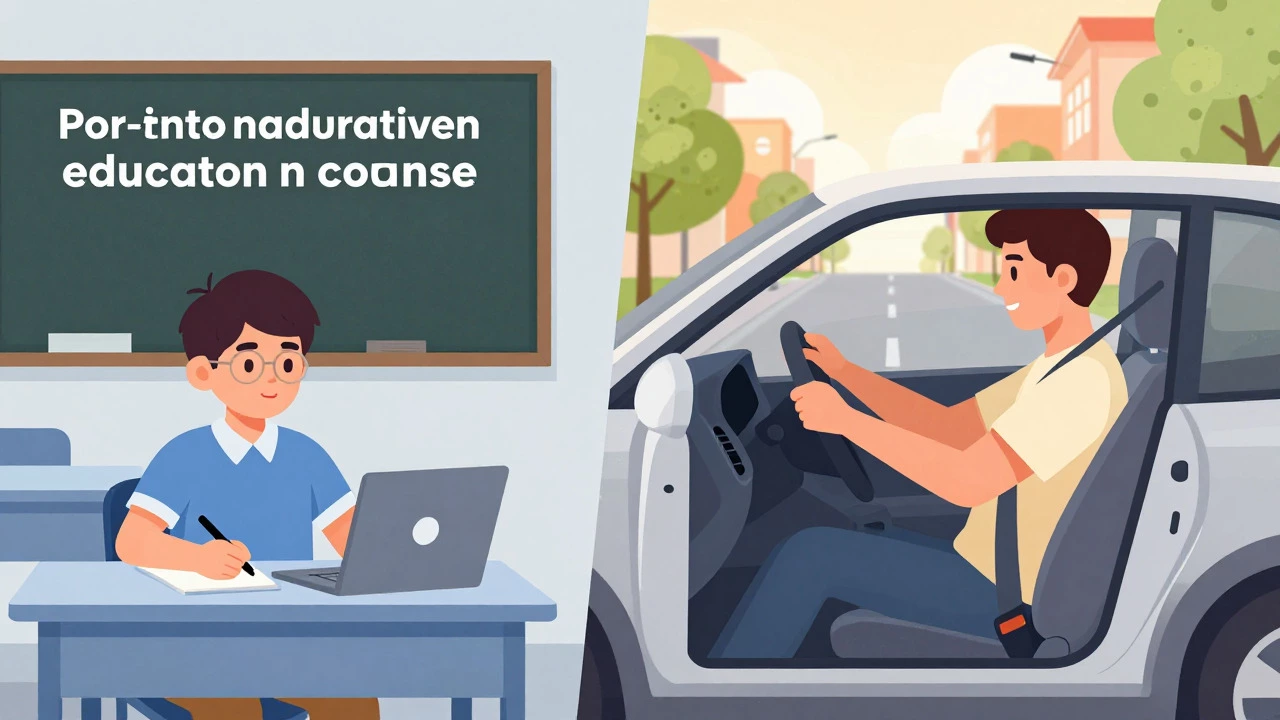
- Driver Education Course: This is the classroom portion. It consists of 30 hours of instruction covering traffic laws, safety, and vehicle maintenance. It is often referred to as "driver ed."
- Behind-the-Wheel Training: This is the practical portion. It involves 6 hours of supervised driving with a certified instructor. This is what many people colloquially call "driving school," but technically it is just one part of the requirement.
The key distinction is that the classroom course has a strict age limit, while the practical training does not. If you miss the window for the classroom course, you can still take the practical lessons, but you lose the ability to count them toward the mandatory hour requirements for teens.
Who Must Take the 30-Hour Classroom Course?
This is the critical question. According to California Vehicle Code Section 12500, the 30-hour driver education course is only required for first-time applicants who meet two conditions simultaneously:
- They are applying for a Learner's Permit.
- They are between the ages of 15 years and 6 months old, up to but not including their 18th birthday.
If you are 15 and a half, you must take the full 30-hour course before you can even apply for your Learner's Permit. If you are 17 and 11 months old, you also must take it. But if you wait until you turn 18 to apply for your first permit, the 30-hour classroom requirement vanishes completely.
So, the age at which you "do not have to do driving school" (meaning the classroom part) is 18 years old. Once you cross that threshold, you can apply for a Learner's Permit without ever sitting through a single hour of classroom theory.
What About Behind-the-Wheel Lessons After 18?
Here is where it gets tricky. Even though adults over 18 don't need the classroom course, they still need practice. Do they have to pay a professional instructor for 6 hours of behind-the-wheel training? Not necessarily.
For drivers aged 18 and older, the DMV allows you to learn from any qualified adult, not just a certified driving school instructor. As long as the person supervising you holds a valid California driver's license and is at least 25 years old, you can log your practice hours with them. This includes parents, siblings, or friends.
However, there is a catch. While you aren't *forced* to take professional lessons, most new drivers find that having a few sessions with a pro helps them pass the road test faster. A certified instructor knows exactly what the DMV examiner looks for. For example, they will drill parallel parking and three-point turns repeatedly because these are the most common reasons for failure. If you choose to self-teach, you risk developing bad habits that are hard to unlearn later.
Comparison: Teen vs. Adult Requirements
The difference in requirements between a 16-year-old and an 18-year-old is significant. The table below highlights the key distinctions in time commitment and cost implications.
| Requirement | Age 15.5 - Under 18 | Age 18 and Older |
|---|---|---|
| 30-Hour Classroom Course | Mandatory | Optional (Not Required) |
| 6-Hour Behind-the-Wheel Instruction | Mandatory (Must be with certified instructor) | Optional (Can be with qualified adult) |
| Learner's Permit Duration | Minimum 6 months | No minimum duration specified by DMV (but recommended) |
| Supervised Driving Hours | 50 hours total (10 at night) | No statutory minimum, but 50 hours recommended |
| Estimated Cost | $400 - $800 (Course + Lessons) | $0 - $300 (Optional lessons only) |
Notice the cost difference. For teens, the investment is non-negotiable. For adults, it is purely strategic. Many 18-year-olds skip the professional lessons entirely and rely on family practice, saving hundreds of dollars. Others invest in just 2-3 hours of coaching to polish their skills before booking the road test.
Common Misconceptions About the Age Limit
There are a few persistent myths that confuse applicants. Let’s clear them up.
Myth 1: You can take the classroom course after 18. You can, but it doesn't count toward the mandatory requirements for your license. If you are over 18, taking a driver ed course is voluntary. It might help you learn the theory, but you won't get a certificate that satisfies a legal requirement because there isn't one for your age group.
Myth 2: Online driver ed is always cheaper. In California, online driver ed courses are approved by the DMV, but prices vary wildly. Some cost as little as $200, while others charge over $500. Make sure the provider is listed on the official DMV website. Unapproved courses mean you have to retake them, which wastes both money and time.
Myth 3: If you turn 18 during your learning period, you can stop counting hours. This is incorrect. If you got your Learner's Permit at 17, you are bound by the teen rules. You must hold the permit for at least 6 months and complete 50 hours of supervised driving, including 10 at night, regardless of whether you turned 18 during that period. The rules apply based on when you applied, not your current age.
How to Check Your Eligibility
If you are unsure where you stand, follow these steps to verify your requirements:
- Check your date of birth against the application date. If you will be 18 or older on the day you submit your Learner's Permit application, you are exempt from the 30-hour course.
- If you are under 18, confirm that your chosen driving school is DMV-approved. Look for the approval number on their website or brochure.
- Plan your timeline. If you are close to turning 18, consider waiting. Applying at 18 saves you the 30-hour classroom commitment and the associated fees.
Waiting can be a smart financial move. If you are 17 years and 11 months old, you might feel pressure to start now. But if you wait one month, you could save $300-$500 on the classroom course. Just ensure you have enough time to practice before you want your full license.
Frequently Asked Questions
Do I need to take driving school if I am 18 in California?
No, you are not legally required to take the 30-hour classroom driver education course if you are 18 or older when applying for your Learner's Permit. You may also choose to practice with a qualified adult instead of paying for professional behind-the-wheel lessons, though many find professional coaching helpful for passing the road test.
What is the minimum age to get a Learner's Permit in California?
The minimum age to apply for a Learner's Permit in California is 15 years and 6 months. Applicants must be at least 15.5 to start the process, but they must complete the driver education course before the permit is issued if they are under 18.
Can I skip the 6 hours of behind-the-wheel training if I am over 18?
Yes, unlike the classroom course for teens, the 6 hours of professional behind-the-wheel training is not strictly mandatory for adults over 18. You can log your practice hours with any qualified adult who is at least 25 years old and holds a valid California license. However, the DMV recommends sufficient practice to ensure road readiness.
Is online driver education accepted in California?
Yes, the California DMV accepts online driver education courses provided they are from an approved provider. You should verify the provider's approval status on the official DMV website before enrolling to ensure your completion certificate will be valid for your Learner's Permit application.
What happens if I turn 18 while holding a Learner's Permit?
If you obtained your Learner's Permit while under 18, you remain subject to the teen driver rules. This means you must continue to hold the permit for at least 6 months and complete the required 50 hours of supervised driving (including 10 at night) before applying for your provisional license, regardless of your current age.