
Driving Test Timing Optimizer
Configure Your Test
Adjust the settings and click calculate to see your optimized pass probability score
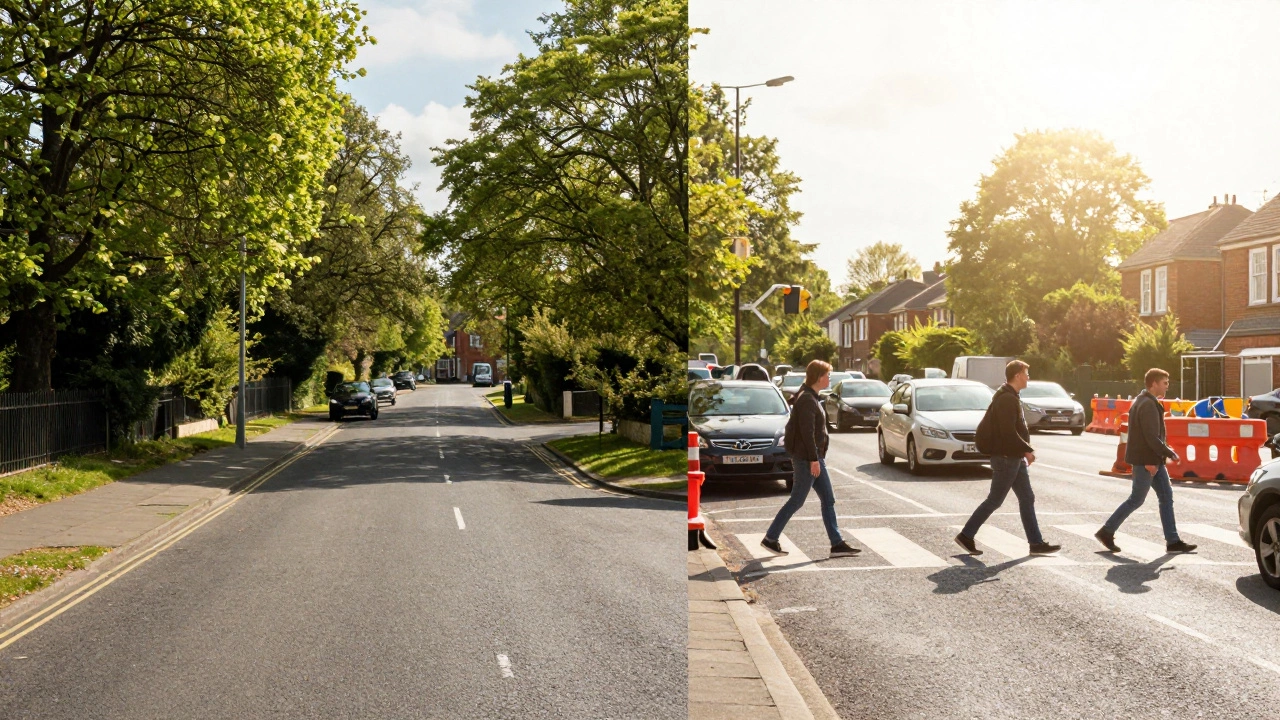
There is a persistent myth among new drivers that you can "beat" the system by picking the perfect slot for your driving test. You’ve probably heard the whispers in learner groups or read the forum threads claiming that Tuesday mornings are easier because examiners are fresh, or that summer is better because the weather is predictable. The truth is more nuanced. While you cannot control the examiner’s mood or the specific route they choose, you absolutely can control the external variables that impact your performance.
The best time to pass your driving test isn't about finding an "easy" examiner. It is about minimizing distractions and maximizing your comfort. It involves choosing a season where road conditions are forgiving, a day of the week with manageable traffic flow, and a time of day when your personal energy levels are at their peak. Let's break down how to stack the odds in your favor without relying on superstition.
The Seasonal Factor: Weather and Road Conditions
When people ask about the best time to take a test, they usually mean the season. In many regions, including places like Wellington, New Zealand, or the UK, weather plays a massive role in the difficulty of the drive.
Spring and Early Autumn are often cited as the sweet spots. Why? Because the roads are generally dry, visibility is good, and daylight hours are increasing (in spring) or still adequate (in early autumn). You aren’t fighting ice, snow, or torrential rain. However, there is a catch. These are also the most popular times to book tests. This means the roads are busier with other cars, cyclists, and pedestrians enjoying the nice weather. More road users mean more complex situations to manage.
Winter has its pros and cons. On one hand, traffic volume drops significantly. Fewer cars mean fewer interactions to worry about. On the other hand, short days mean you might be tested in low-light conditions or even darkness if you book late afternoon slots. If you live in an area with snow or ice, winter adds a layer of technical difficulty regarding vehicle control. Unless you are exceptionally confident in winter driving, it’s risky.
Summer brings long days and plenty of light, which reduces the cognitive load of seeing hazards. But summer holidays bring tourists, construction crews working on infrastructure, and unpredictable bursts of heavy rain or storms. Plus, the glare from the sun can be blinding if you don’t have good sunglasses handy.
If I had to pick one, late spring offers the best balance. The weather is stabilizing, the days are getting longer, and while traffic is present, it’s not yet at the chaotic peak of summer holiday travel.
Day of the Week: Traffic Patterns vs. Examiner Fatigue
Now let’s talk about the calendar. There is a common belief that Monday mornings are bad because examiners are tired from the weekend, and Fridays are bad because everyone is eager to leave work. Is this true?
Let’s look at the data logically. Examiners are professionals. They follow strict guidelines and scripts. Their fatigue level shouldn't vary wildly from Monday to Friday. However, traffic patterns do vary, and that affects your stress levels.
- Mondays: Often start with high traffic as people return to work routines. Rush hour is intense. If your test is during rush hour, you’re navigating dense traffic right out of the gate. Not ideal for nerves.
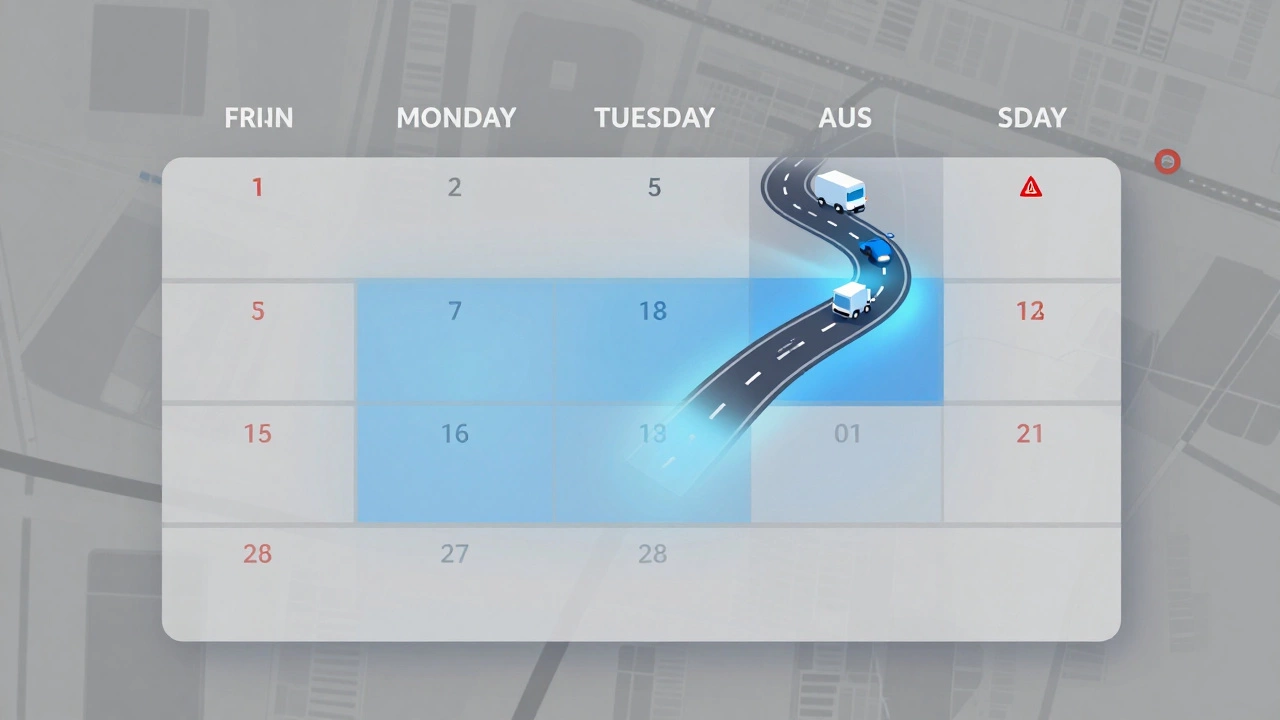
- Tuesdays and Wednesdays: These are typically the quietest days of the week for commercial transport and commuting. Traffic flows more predictably. There are fewer delivery trucks and less congestion. This consistency helps you focus on your driving rather than reacting to chaos.
- Thursdays: Similar to Tuesdays and Wednesdays, but sometimes see a slight uptick in traffic as people plan weekend trips.
- Fridays: Can be tricky. Traffic is often heavier due to end-of-week commutes and early weekend leisure travel. Additionally, some learners report feeling rushed on Fridays, though this is psychological. The real issue is the volume of vehicles on the road.
So, Tuesday or Wednesday emerges as the strategic choice. The roads are cleaner, the traffic is lighter, and the environment is more controlled. This gives you the best chance to demonstrate smooth, hazard-aware driving without being overwhelmed by external pressures.
Time of Day: Light, Energy, and Rush Hour
Once you’ve picked the day, what time should you book? This is where personal biology meets urban planning.
Avoid rush hours at all costs. Whether it’s 7:30-9:00 AM or 4:30-6:30 PM, these windows are designed to test your patience and reaction speed under pressure. For a test, you want clarity, not crisis management. Booking outside these windows is non-negotiable for most learners.
Morning slots (after 9:30 AM) are excellent if you are a morning person. Your mind is fresh, you haven’t eaten a heavy lunch that might make you sluggish, and the traffic has usually settled after the morning rush. The light is also good for visibility.
Mid-day slots (11:00 AM - 2:00 PM) can be problematic. This is when school zones are active, pedestrians are crossing for lunch, and delivery vehicles are making stops. It’s also when the sun can be directly in your eyes depending on the direction of travel. If you book here, ensure you have polarized sunglasses and expect higher pedestrian activity.
Late afternoon slots (after 3:30 PM) are good if you avoid the evening rush. The light is softer, which can reduce eye strain. However, be aware that if you’re tested later in the day, say after 5:00 PM in winter, you may face dusk or darkness. Only choose this if you are comfortable driving in low light.
The golden window? 10:00 AM to 11:30 AM. The morning rush is over, the mid-day chaos hasn’t started, and you’re alert and rested.
Personal Readiness: The Most Important Variable
All the timing tricks in the world won’t help if you aren’t ready. This is the part that matters most. The "best time" is when you feel competent enough to handle unexpected situations calmly.
Ask yourself these questions before booking:
- Can I reverse park smoothly without overcorrecting?
- Do I check my mirrors instinctively before every maneuver?
- Can I hold a steady speed and position in traffic without jerking?
- Am I comfortable explaining my actions if asked (if applicable in your region)?
If the answer to any of these is "no," don’t book the test. Use that time for practice. There is no penalty for waiting until you are truly ready. Failing a test just delays your license and costs you money. Passing it the first time saves both.
Pre-Test Preparation: Minimizing Anxiety
Nerves are normal. Even experienced drivers get butterflies. But unmanaged anxiety can lead to mistakes like stalling, missing signals, or poor observation. Here’s how to prep for the specific time you’ve chosen.
Sleep well the night before. It sounds cliché, but sleep deprivation impairs reaction times and decision-making just as much as alcohol. Aim for 7-8 hours.
Eat a balanced meal. Don’t skip breakfast or eat something too sugary. A protein-rich meal keeps your blood sugar stable, preventing energy crashes during the test.
Arrive early. Get to the test center 15 minutes early. This gives you time to breathe, use the restroom, and mentally prepare. Rushing to the center spikes cortisol levels, which clouds judgment.
Bring your essentials. License, theory test pass certificate, glasses/contacts if needed. Having everything ready removes last-minute panic.
What About the "Pass Plus" Course?
You mentioned the Pass Plus course in your query. It’s worth noting that while timing helps you *pass* the initial test, courses like Pass Plus (or equivalent post-test training in other countries) help you *stay safe* after you pass.
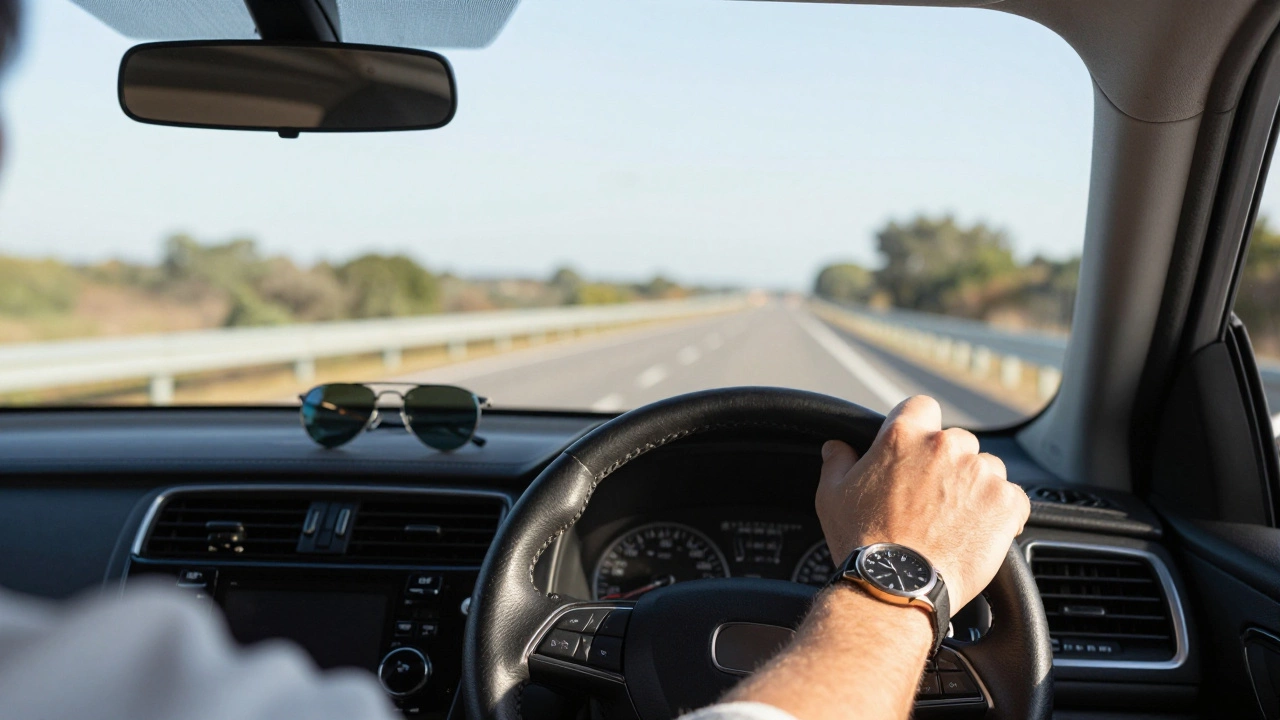
Pass Plus is designed for newly qualified drivers. It covers advanced scenarios like motorway driving, night driving, and rural roads-conditions you likely didn’t face in your standard test. If you’re worried about the "best time" because you fear difficult conditions, consider taking Pass Plus after you pass. It builds confidence in those exact scenarios. Some insurance companies even offer discounts for completing it, which is a practical bonus.
Don’t delay your test hoping to do Pass Plus first unless required. Get your license, then upskill. That’s the smarter path.
| Factor | Recommended Choice | Why It Works | Pitfalls to Avoid |
|---|---|---|---|
| Season | Late Spring / Early Autumn | Dry roads, good visibility, moderate traffic | Winter (ice/darkness), Summer (tourists/glare) |
| Day of Week | Tuesday or Wednesday | Lighter traffic, predictable flow | Monday/Friday (rush hour intensity) |
| Time of Day | 10:00 AM - 11:30 AM | Post-rush, pre-lunch chaos, high alertness | Rush hours, late afternoon in winter |
| Personal State | Well-rested, fed, calm | Sharp reactions, clear thinking | Sleep deprivation, empty stomach, rushing |
Final Thoughts: Confidence Over Convenience
Ultimately, the best time to pass your driving test is when you feel prepared. Timing strategies are tools to reduce external stressors, not magic spells. A calm driver in light traffic will always outperform a nervous driver in perfect conditions. Focus on mastering your skills, choose a Tuesday morning in spring if you can, and trust your training. You’ve got this.
Is it harder to pass a driving test in the rain?
Yes, driving in the rain increases the difficulty. Wet roads reduce tire grip, increase stopping distances, and spray from other vehicles can obscure your vision. You need to demonstrate greater control and awareness. If you are not confident in wet conditions, it is safer to reschedule for a drier day.
Do examiners go easier on candidates on certain days?
No. Examiners are trained to apply the same standards regardless of the day, time, or their personal mood. The marking criteria are objective. Relying on examiner leniency is a dangerous strategy. Focus on meeting the standards consistently.
Should I take my test in the morning or afternoon?
Morning slots (specifically 10:00 AM - 11:30 AM) are generally better. Traffic is lighter after the morning rush, and you are likely more alert. Afternoon slots can coincide with lunchtime pedestrian activity or the start of the evening rush, adding complexity.
What is the best month to take a driving test?
Late spring (May/June in the Northern Hemisphere) or early autumn (September/October) are ideal. These months offer mild weather, good daylight, and manageable traffic levels compared to summer holidays or winter extremes.
Does the Pass Plus course help me pass my initial test?
Not directly. Pass Plus is designed for drivers who have already passed their test. It focuses on advanced skills like motorway and night driving. While the training improves your overall ability, it is not a prerequisite for the initial test. Take it after you pass to build long-term confidence.