
Find Your Best Therapy Match
Negative Thoughts
I panic because I think I'll crash or lose control.
Specific Situations
Highways, tunnels, or roundabouts scare me specifically.
Lack of Confidence
I feel unsure about my actual driving skills.
Manageable
I can drive short distances but get nervous.
Significant
Physical symptoms (sweating, shaking) often occur.
Paralyzing
I avoid driving almost entirely due to panic.
Analytical & Logical
I want to understand why I feel this way and challenge my thoughts.
Experiential & Practical
I want to face the fear directly or learn physical relaxation techniques.
Recommended Therapy Plan
Primary Recommendation
Therapy Name
Description goes here.
Why this works for you:
Reasoning goes here.
Suggested Hierarchy Progression
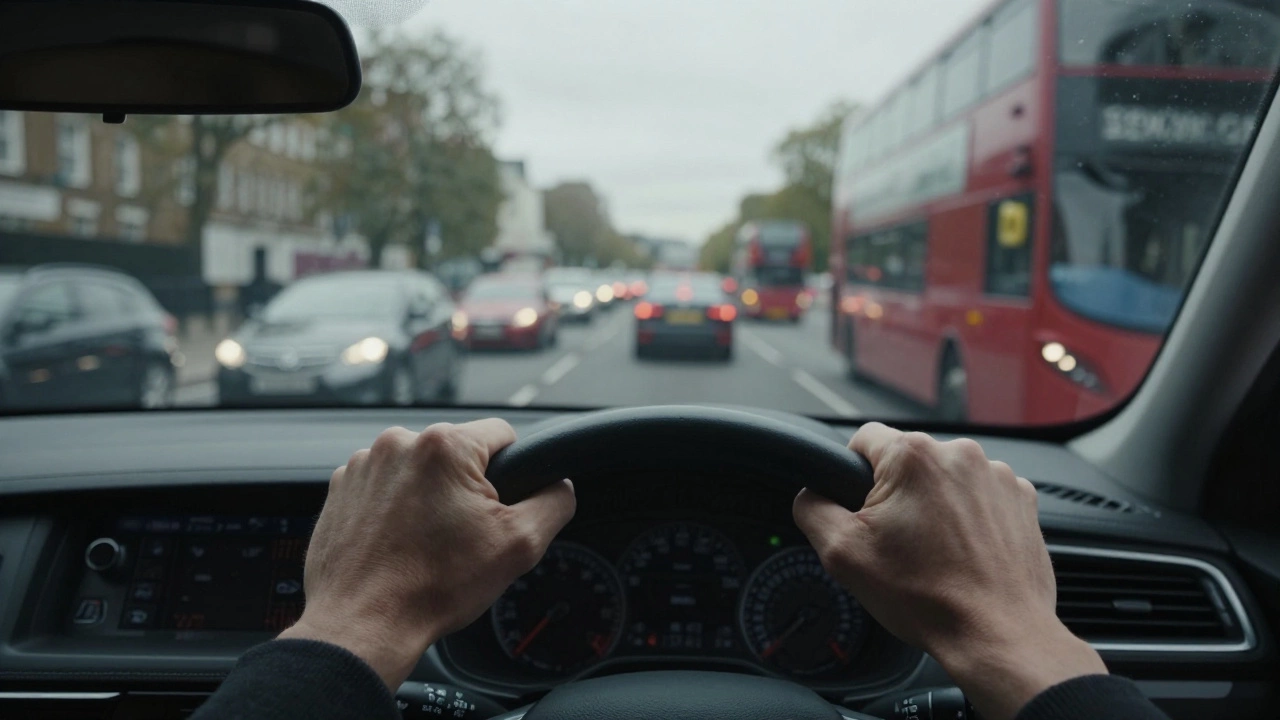
Imagine sitting in your car, engine running, hands gripping the wheel until your knuckles turn white. You know you need to get somewhere, but the thought of merging onto a busy road or navigating a roundabout makes your heart race and your palms sweat. This isn't just nervousness; it's fear of driving, also known as amaxophobia or vehiculophobia. It’s a specific phobia that affects millions of people worldwide, turning what should be a routine activity into a source of intense dread.
The good news? You don't have to live with this fear. There are proven, effective therapies designed specifically to help you regain confidence behind the wheel. But which one is actually the "best"? The answer depends on your specific triggers, your history, and how severe your anxiety is. Let’s break down the most effective treatments so you can find the right path forward.
Understanding the Root of Your Driving Anxiety
Before diving into treatments, it helps to understand why this fear exists. Fear of driving rarely comes from nowhere. Often, it stems from a traumatic event-a near-miss accident, a harsh comment from another driver, or even watching someone else get hurt. For others, it’s rooted in a lack of experience or poor early lessons that built up negative associations with driving.
This fear manifests in various ways. Some people panic at the thought of highways (highway hypnosis or highway anxiety), while others struggle with tunnels, bridges, or simply being stuck in traffic. Recognizing your specific triggers is the first step toward choosing the right therapy. If your fear is tied to a specific past trauma, standard relaxation techniques might not be enough. You’ll likely need something more targeted.
Cognitive Behavioral Therapy (CBT): The Gold Standard
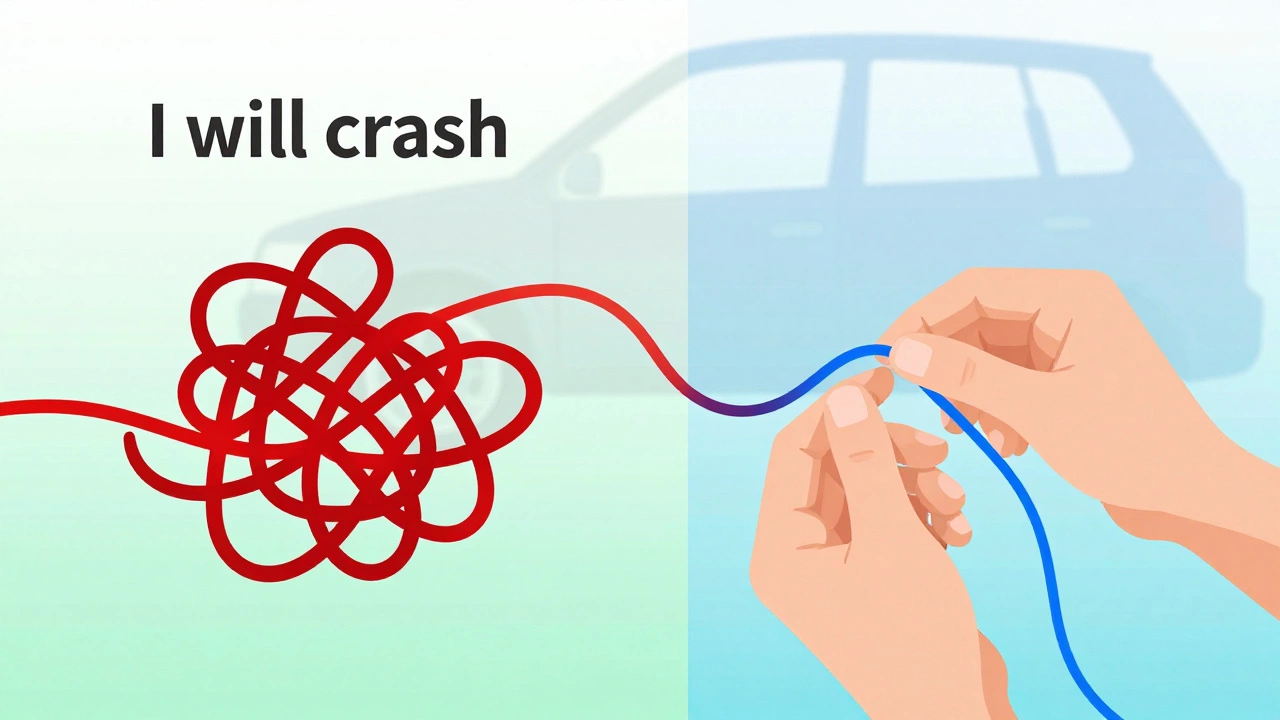
When experts talk about the most effective treatment for specific phobias like fear of driving, Cognitive Behavioral Therapy (or CBT) almost always tops the list. CBT works on the principle that our thoughts, feelings, and behaviors are interconnected. If you believe "I will crash if I drive fast," you feel anxious, and consequently, you avoid driving or drive rigidly, which reinforces the fear.
In a typical CBT session for driving anxiety, you work with a therapist to identify these negative automatic thoughts. They help you challenge the evidence for these thoughts. Is it really true that you’ll crash? What’s the actual probability? By restructuring these cognitive distortions, you reduce the emotional charge associated with driving. CBT often includes behavioral experiments where you test out new beliefs in low-stakes environments. For example, you might start by parking in an empty lot during off-peak hours to prove to yourself that you’re in control.
Studies consistently show that CBT has high success rates for specific phobias. It’s not just about feeling better temporarily; it’s about changing the underlying mental patterns that fuel the fear. Many therapists combine CBT with other techniques, making it a versatile foundation for treatment.
Exposure Therapy: Facing the Fear Head-On
If CBT is the mind work, exposure therapy is the action plan. It’s considered one of the most powerful tools for overcoming phobias. The core idea is simple but challenging: gradually expose yourself to the feared situation in a controlled, safe manner until the anxiety decreases.
Exposure therapy for driving usually follows a hierarchy. You and your therapist create a list of driving scenarios ranked from least scary to most scary. It might look like this:
- Sitting in the parked car with the engine off.
- Driving around a quiet residential street during the day.
- Merging onto a minor road.
- Navigating a roundabout.
- Driving on a highway during rush hour.
You start at the bottom of the list. You stay in that situation until your anxiety drops by half or more. Only then do you move to the next step. This process, called systematic desensitization, retrains your brain’s alarm system. Over time, your body learns that driving is not a life-threatening event. The key is consistency and patience. Skipping steps or rushing through them can backfire, reinforcing the fear instead of reducing it.
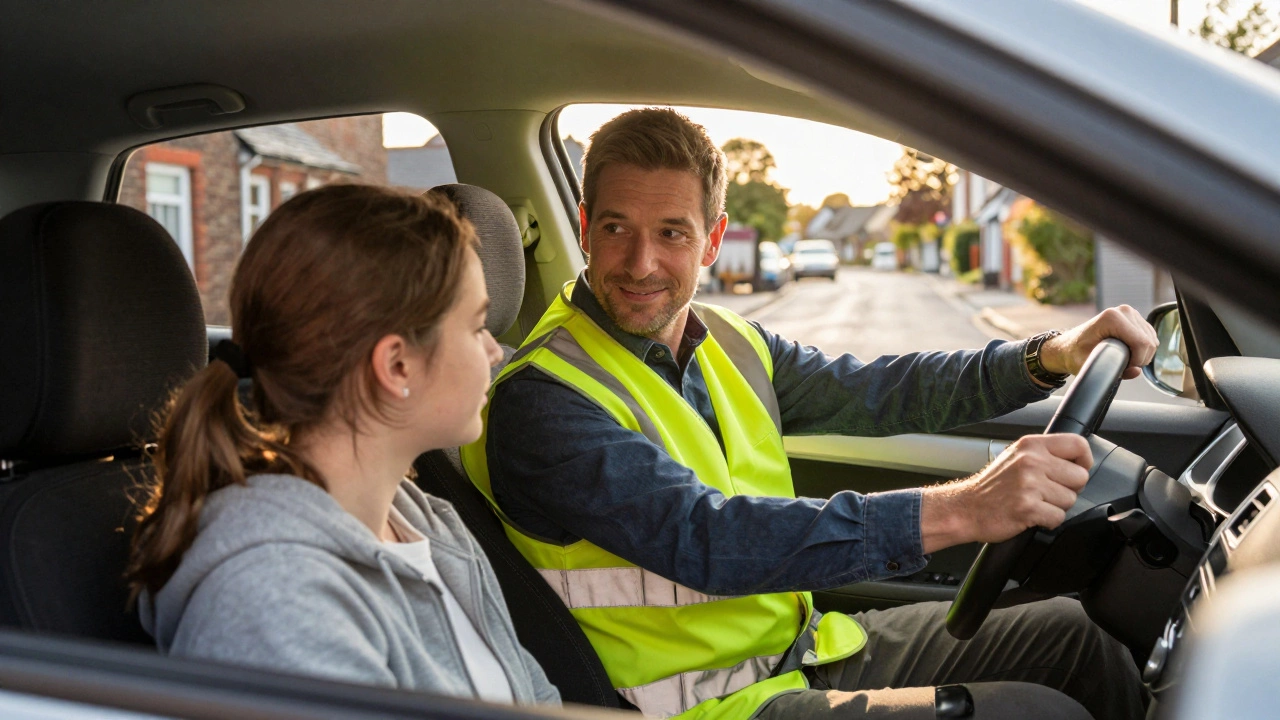
For many people, exposure therapy is done alongside a supportive partner or a specialized driving instructor who understands anxiety. Having a calm, non-judgmental presence in the passenger seat can make all the difference.
Virtual Reality Exposure Therapy (VRET)
Traditional exposure therapy requires real-world practice, which can be intimidating for those with severe fear. Enter Virtual Reality Exposure Therapy (or VRET). This technology allows you to experience driving scenarios in a simulated environment. You put on a VR headset and see yourself sitting in a car, looking out at virtual roads, traffic, and pedestrians.
VRET is incredibly useful because it offers complete control. The therapist can adjust the difficulty level instantly-adding rain, increasing traffic density, or introducing unexpected obstacles. If you feel too overwhelmed, they can pause or rewind the simulation. This safety net makes it easier to start the exposure process. Research suggests that VRET can be just as effective as in vivo (real-life) exposure for many patients, especially in the early stages of treatment.
It’s particularly helpful for people who live in remote areas without easy access to varied driving conditions or those who cannot afford frequent in-person sessions. However, VRET is usually a stepping stone. Eventually, you’ll need to transfer those skills to the real world to fully overcome the phobia.
Hypnotherapy and Relaxation Techniques
While CBT and exposure therapy address the cognitive and behavioral aspects of fear, some people benefit from approaches that target the physiological response. Hypnotherapy involves entering a state of deep relaxation and focused attention. A trained hypnotist guides you to visualize successful, calm driving experiences. This can help reprogram subconscious associations with driving, replacing fear with confidence.
Relaxation techniques are also crucial adjuncts to any therapy. Learning how to manage your physical symptoms of anxiety-racing heart, shallow breathing, muscle tension-gives you tools to use in the moment. Deep breathing exercises, progressive muscle relaxation, and mindfulness meditation can lower your baseline anxiety levels. Mindfulness, in particular, teaches you to observe your fearful thoughts without judging them or reacting impulsively. Instead of fighting the anxiety, you acknowledge it and let it pass, allowing you to focus on the task of driving.
Specialized Driving Lessons
Sometimes, the fear stems from a genuine lack of skill or confidence in vehicle handling. In these cases, working with a specialized driving instructor who focuses on anxiety can be transformative. These instructors are trained to recognize signs of panic and know how to pace lessons appropriately. They don’t just teach you how to parallel park; they teach you defensive driving strategies, hazard perception, and how to anticipate the actions of other drivers.
Gaining competence builds confidence. When you know exactly what to do in a complex intersection or how to merge safely, the unknown becomes known, and fear diminishes. Look for instructors who advertise "anxiety-friendly" or "refresher courses for nervous drivers." Avoid anyone who yells or criticizes, as this will only reinforce your negative associations.
| Therapy Type | Best For | Pros | Cons |
|---|---|---|---|
| CBT | Negative thought patterns, long-term change | Evidence-based, addresses root causes | Requires active participation, multiple sessions |
| Exposure Therapy | Specific situational fears (highways, tunnels) | Highly effective, practical results | Can be uncomfortable initially, requires courage |
| VRET | Severe anxiety, initial exposure | Safe, controlled environment, accessible | Costlier, may not replace real-world practice |
| Hypnotherapy | Subconscious blocks, relaxation needs | Relaxing, quick relief for some | Limited scientific consensus, varies by practitioner |
| Specialized Lessons | Skill gaps, confidence building | Practical skills, immediate feedback | Doesn't address psychological roots alone |
Combining Approaches for Best Results
Rarely does one single method work perfectly for everyone. The most successful outcomes often come from a combination of therapies. For instance, you might use CBT to challenge your catastrophic thinking, VRET to begin exposure in a safe space, and specialized driving lessons to build real-world skills. Adding mindfulness practices helps you manage daily stress, making you less reactive when anxiety spikes.
Your therapist can help you design a personalized plan. Be honest about what feels manageable and what feels overwhelming. Progress isn’t linear. You might have days where you drive confidently and days where you feel terrified again. That’s normal. The goal isn’t to eliminate anxiety entirely-it’s to reduce it to a level where it doesn’t stop you from living your life.
Medication: A Temporary Aid?
In some cases, doctors may prescribe medication to help manage acute anxiety symptoms. Beta-blockers can reduce physical symptoms like rapid heartbeat and trembling, while benzodiazepines may offer short-term relief from panic. However, medication is generally not considered a standalone cure for fear of driving. It’s best used as a temporary aid while you engage in therapy. Relying solely on medication can prevent you from learning coping mechanisms and may lead to dependency. Always consult with a healthcare professional before starting any medication.
How to Find the Right Professional
Finding a therapist who specializes in driving anxiety is crucial. General therapists may not understand the unique nuances of vehicular phobias. Look for credentials in CBT, exposure therapy, or clinical psychology. Check reviews and ask for recommendations from local driving schools or support groups. In New Zealand, you can search directories through the Psychological Society of New Zealand or similar bodies in your country.
During your initial consultation, ask about their experience with driving phobias. Do they offer in-car sessions? Are they familiar with VRET? How do they structure exposure hierarchies? A good therapist will make you feel heard, respected, and empowered, not judged.
Taking the First Step
Overcoming fear of driving takes time, effort, and courage. But it is absolutely possible. Thousands of people have gone from being unable to sit in a car to enjoying road trips and commuting with ease. Start small. Acknowledge your fear without shame. Seek professional help tailored to your needs. And remember, every mile driven is a victory over anxiety.
Is CBT the most effective therapy for fear of driving?
Yes, Cognitive Behavioral Therapy (CBT) is widely regarded as the gold standard for treating specific phobias, including fear of driving. It effectively addresses the negative thought patterns and avoidance behaviors that maintain the fear. When combined with exposure techniques, CBT offers the highest success rates for long-term recovery.
How long does it take to overcome fear of driving?
The timeline varies greatly depending on the severity of the phobia and the individual’s commitment to therapy. Some people see significant improvement in 8-12 weeks of consistent CBT and exposure therapy. Others may require several months. The key is regular practice and not avoiding driving situations once you start treatment.
Can Virtual Reality Exposure Therapy replace real driving practice?
VRET is an excellent tool for initial exposure and managing severe anxiety, but it should not completely replace real-world practice. While it helps desensitize you to driving stimuli, transferring those skills to actual vehicles and unpredictable road conditions is essential for full recovery. Think of VRET as a bridge to real-life driving.
Should I take medication for driving anxiety?
Medication can be helpful for managing acute physical symptoms of panic, such as rapid heartbeat or trembling, especially in the early stages of treatment. However, it is not a cure. Medication should be used under medical supervision and ideally alongside therapy like CBT or exposure therapy to address the underlying psychological causes of the fear.
What if my fear of driving started after an accident?
If your fear stems from a traumatic event, you may be experiencing Post-Traumatic Stress Disorder (PTSD) related to driving. In this case, therapies like Eye Movement Desensitization and Reprocessing (EMDR) or Trauma-Focused CBT might be more appropriate than standard exposure therapy. It’s important to seek a therapist experienced in trauma treatment to ensure safe and effective healing.