
Beginner Driver Progression Planner
Select your current stage of learning or desired focus area to get specific location recommendations and safety tips.
Empty Car Park Strategy
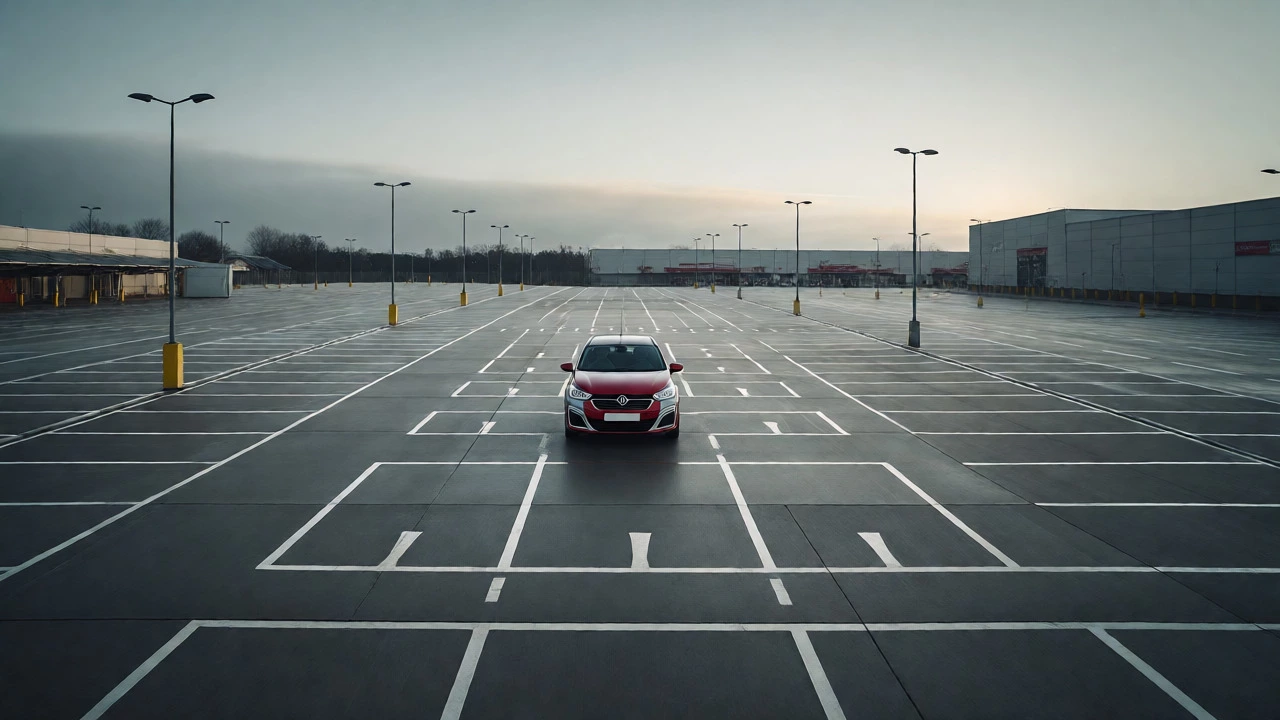
Start big and empty. Supermarket car parks are the gold standard for day one. They offer flat surfaces, clear markings, and plenty of room to mess up without hitting anything valuable.
Key Skills Focus:
- ✓ Clutch control & Gear changes
- ✓ Steering precision
- ✓ Spatial awareness (Mirrors)
- ✓ Parking maneuvers
Most new drivers panic the moment they hit a busy roundabout. It’s not just nerves; it’s the sheer volume of variables. Cars merging, pedestrians stepping out, cyclists weaving through traffic. If you’re the one teaching them, your choice of location matters more than your patience level. You can’t start in the city center on a Friday afternoon. That’s a recipe for stalled engines and shattered confidence.
Teaching someone to drive requires a controlled environment that scales up in complexity. You need places where mistakes are cheap and consequences are low. But what actually counts as a "good" place? Is an empty supermarket car park enough? Do you really need to go to the countryside? Let’s break down the best locations, why they work, and how to use them to build real skills.
Start Big and Empty: The Supermarket Car Park Strategy
Forget the road for day one. Your first stop should be a large, open space with no traffic. Supermarket car parks are the gold standard here. They offer flat surfaces, clear markings, and plenty of room to mess up without hitting anything valuable.
Why do these work so well? Because they isolate specific skills. In a car park, you aren’t worrying about speed limits or other cars. You’re focusing on the basics: clutch control, steering precision, and spatial awareness. You can practice parking bay maneuvers until the learner gets the feel of the mirrors. You can practice reversing into a spot ten times in a row without holding up traffic.
But there’s a catch. Not all car parks are created equal. Avoid ones with heavy pedestrian flow or delivery trucks moving around. Go early in the morning or late at night when footfall is minimal. Also, check local rules. Some private car parks prohibit learner drivers from practicing. A quick chat with security or a look at the signage saves you an awkward conversation later.
| Location Type | Skill Focus | Risk Level | Best For |
|---|---|---|---|
| Empty Car Park | Clutch control, steering, parking | Low | Day 1-3 |
| Residential Estate | Speed management, observation | Medium | Weeks 2-4 |
| Rural Roads | Long sightlines, higher speeds | Medium-High | Confidence building |
| Urban Streets | Traffic judgment, complex junctions | High | Advanced practice |
The Quiet Residential Estate: Learning to Observe
Once the learner can move smoothly in a car park, move to a quiet residential area. Look for estates with wide roads, few parked cars, and no through traffic. These areas teach the most critical skill after vehicle control: observation.
In a residential zone, the hazards are unpredictable but slow-moving. Children might chase a ball. A dog walker might step off the curb. A neighbor might reverse out of their driveway without looking. This forces the learner to scan constantly. They learn to check mirrors before signaling and to anticipate movements rather than just reacting to them.
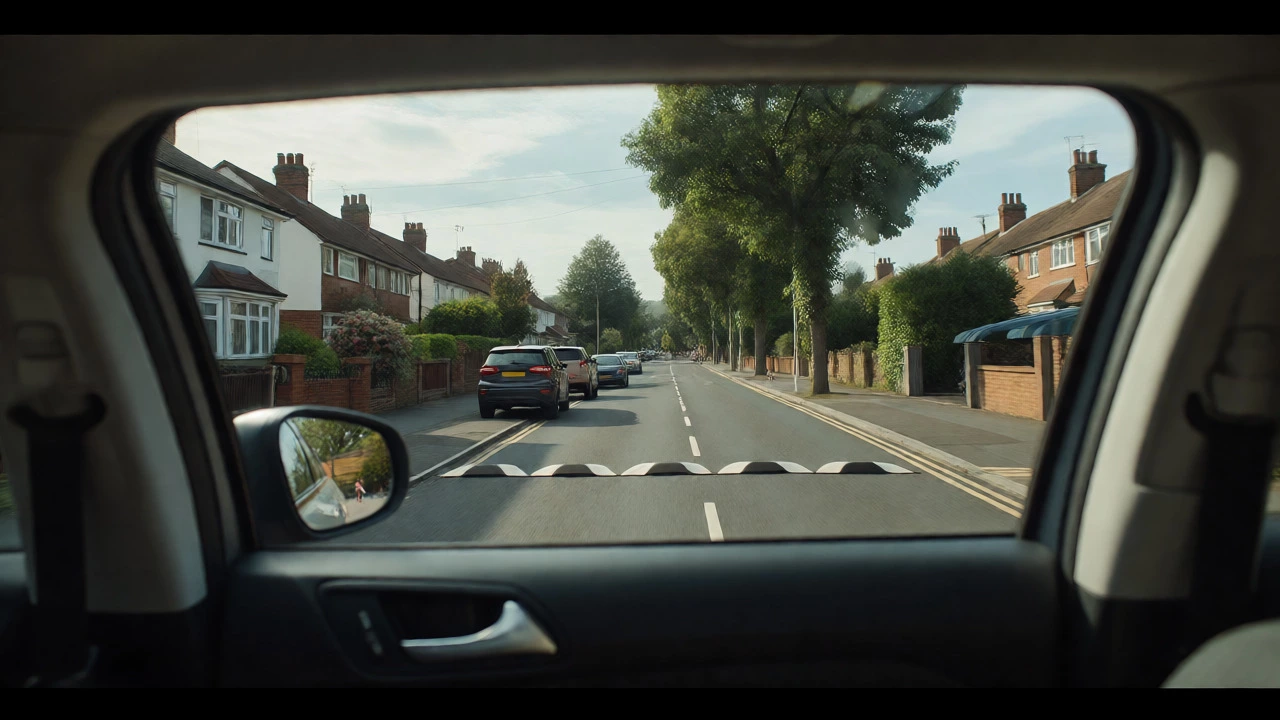
Here’s a pro tip: choose estates with speed bumps. Nothing teaches smooth braking and acceleration like navigating a series of speed humps. It stops learners from flooring the accelerator unnecessarily. It also helps them understand suspension behavior and vehicle stability. If you live in Wellington, look for suburbs like Karori or parts of Brooklyn where the streets are quieter but still have realistic residential features.
Rural Roads: Building Speed Confidence
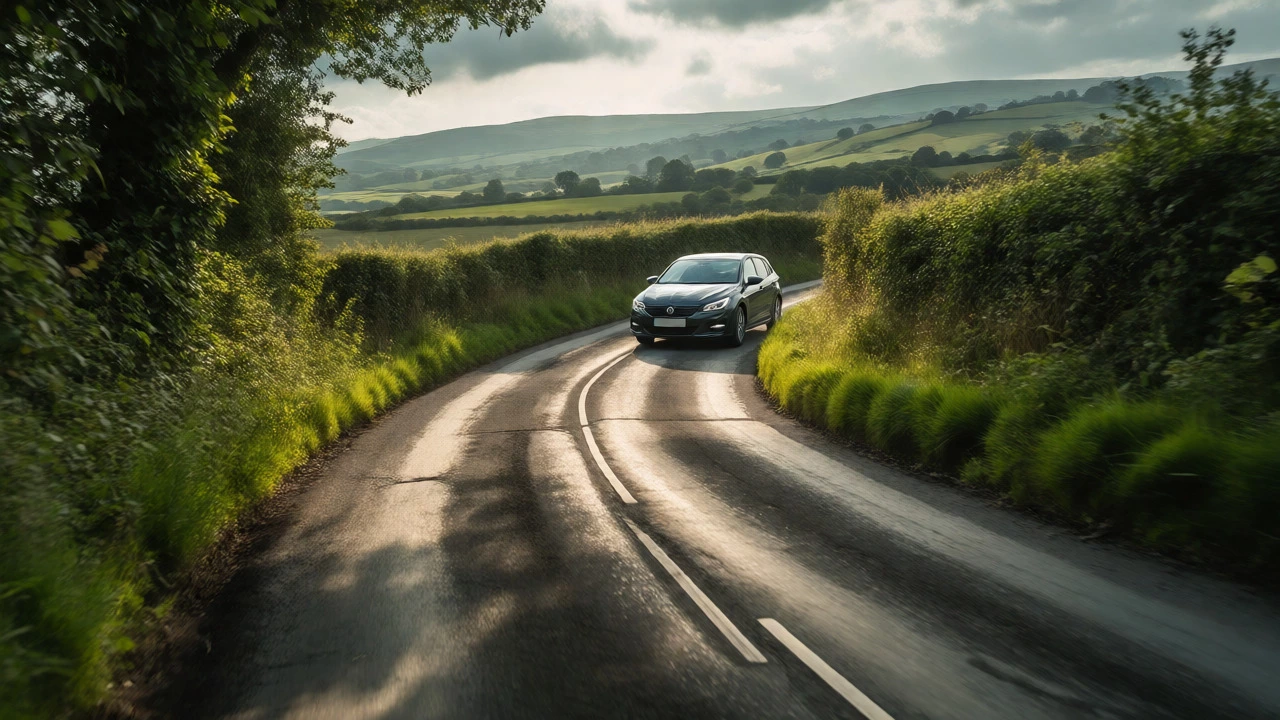
New drivers often struggle with speed. They either drive too slowly, frustrating everyone behind them, or too fast, losing control. Rural roads are the perfect antidote. They offer long sightlines and fewer distractions. You can reach 50mph (80km/h) comfortably without the stress of dense urban traffic.
However, rural roads come with hidden dangers. Blind corners, hidden dips, and wildlife. Use these roads to teach cornering techniques. Show them how to position the car on the approach, how to brake before the turn, and how to accelerate gently out of it. The lack of immediate obstacles gives you time to talk through the process. "Look far ahead," you’ll say. "Where do you want to end up?"
Be careful with narrow country lanes. One-way bridges and passing places require precise positioning. This is where many learners freeze. Practice this repeatedly until they can judge the width of the car confidently. Remember, rural roads don’t forgive poor judgment. Keep your sessions short and focused if the roads are particularly tight.
Roundabouts and Junctions: The Real Test
You can’t avoid them forever. Roundabouts terrify new drivers because they involve multiple decision points simultaneously. Where do I enter? Which lane am I in? Who has priority? Teaching this requires a gradual approach.
Start with mini-roundabouts in quiet areas. Then move to standard single-lane roundabouts during off-peak hours. Finally, tackle multi-lane roundabouts. The key is verbalization. Ask the learner to narrate their actions. "I’m checking my right mirror. I’m signaling left. I’m waiting for a gap." This keeps them engaged and prevents autopilot mode.
Junctions are similar. Start with T-junctions with good visibility. Move to crossroads with stop signs. Then try give-way intersections. Each step adds complexity. Never jump straight to a busy four-way intersection with traffic lights unless the learner has already mastered basic priority rules.
Parking Lots and Multi-Story Garages: Spatial Awareness
Parallel parking is a nightmare for many. It requires precise coordination of mirrors, steering, and speed. Multi-story car parks are excellent for this. They have marked bays, ramps, and confined spaces. Unlike open car parks, they force the driver to deal with elevation changes and tighter turning circles.
Practice hill starts here. Many learners stall on inclines. A multi-story garage provides repeated opportunities to practice clutch control on slopes without the pressure of traffic behind them. If they stall, they just restart. No horns, no angry glances. This builds muscle memory for the biting point.
What About Highways?
Don’t rush onto the motorway. Wait until the learner can handle urban traffic confidently. Merging at high speed is intimidating. It requires judging closing distances accurately. If they can’t merge safely, they’ll hesitate, causing accidents.
When you do go, pick a stretch with multiple entry and exit points. This allows you to practice joining and leaving frequently. It breaks the monotony and reinforces the skill. Keep the first highway session short-15 minutes is enough. Success builds confidence; failure destroys it.
Common Mistakes in Location Choice
One big error is staying in the comfort zone too long. Some instructors keep students in quiet estates for months. The learner becomes dependent on easy conditions. When they finally hit the city, they crash. Progression is vital. Every session should introduce one new challenge.
Another mistake is ignoring weather. Rain makes roads slippery. Fog reduces visibility. Night driving changes perception. Plan sessions in different conditions. A dry sunny day doesn’t prepare you for a wet Tuesday evening commute. Mix it up.
Practical Checklist for Every Session
- Check the location beforehand: Ensure it’s legal and safe for practice.
- Match difficulty to skill: Don’t attempt roundabouts if they haven’t mastered steering.
- Vary the routes: Avoid repeating the same loop every time.
- Debrief after each session: Discuss what went well and what needs work.
- Keep it positive: Encouragement works better than criticism.
Choosing the right place isn’t just about geography. It’s about psychology. You’re building trust between the driver and the machine, and between the instructor and the student. Start small, scale up gradually, and never underestimate the power of a calm, controlled environment.
Can I teach someone to drive in any public area?
Not necessarily. While most public roads allow learner drivers, some private areas like shopping centers or business parks may have restrictions. Always check local signage or ask property management. Additionally, certain roads may prohibit L-plates or have specific time-based restrictions.
How long should a beginner practice in a car park?
Usually 1-2 hours over the first few sessions. Once the learner can control the clutch, steer smoothly, and park consistently, move to quiet roads. Staying too long in a car park creates false confidence.
Is it safe to teach driving on rural roads?
Yes, but with caution. Rural roads have fewer cars but higher risks due to blind corners, animals, and variable surface conditions. Only use them once the learner has mastered basic vehicle control and observation skills.
Do I need insurance to teach someone to drive?
Yes. Standard car insurance usually covers learner drivers if they are supervised by a qualified instructor or a licensed adult over 21 (rules vary by country). Check your policy details carefully. Uninsured driving can lead to fines and license penalties.
What is the hardest place for new drivers to learn?
Busy urban centers with complex junctions and aggressive traffic. These environments overwhelm beginners with too many simultaneous inputs. Save these areas for advanced stages of learning.