
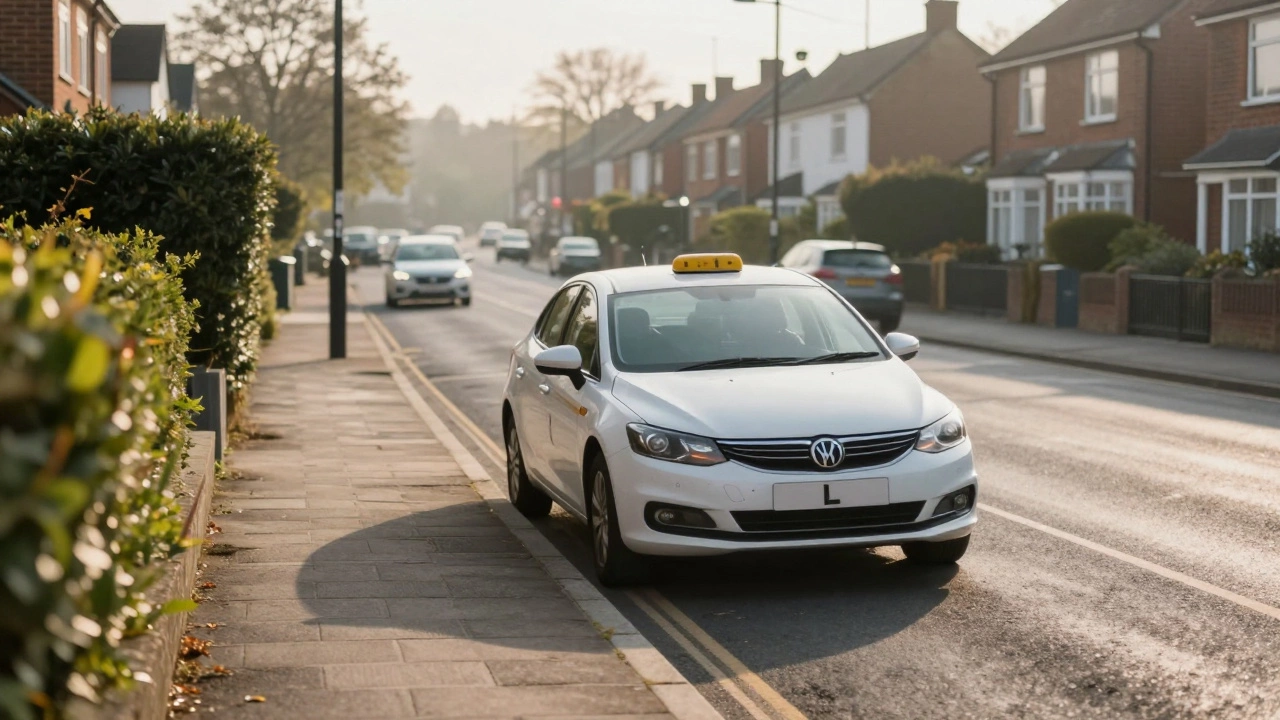
Driving Test Slot Optimizer
Analysis Result
-- / 100
Optimality Score
| Factor | Rating |
|---|---|
| Select a date and click analyze | |
There is a persistent myth in the driving community that taking your test on a Tuesday or Wednesday gives you an edge. Some say examiners are more relaxed mid-week; others claim morning slots are reserved for the "easy" routes. The truth? The calendar date matters far less than the conditions surrounding it. However, choosing the right slot can significantly reduce stress and improve your chances of passing.
When you look at driving test booking is the process of scheduling your practical driving assessment with an authorized licensing authority, you are not just picking a time on a calendar. You are selecting a specific set of traffic conditions, weather patterns, and examiner availability. While no single day guarantees a pass, certain times offer a strategic advantage by minimizing external variables that could trip you up.
The Mid-Week Advantage: Why Tuesday and Wednesday Win
If you have to pick a specific day, Tuesday and Wednesday are statistically your safest bets. Monday mornings are often chaotic as commuters shake off the weekend blues, leading to unpredictable driving behavior. Friday afternoons see a surge in leisure traffic as people head out for early weekends, increasing congestion and the likelihood of roadworks.
Tuesday through Thursday typically feature the most consistent traffic flow. Commuters are back into their routines, but the volume hasn't spiked yet. This consistency helps you predict how other drivers will behave. For example, if you know a junction usually has a steady stream of cars from 8 AM to 9 AM, you can prepare your approach accordingly. Unpredictable traffic-like the sudden influx of shoppers on a Saturday-is much harder to manage when you're already nervous.
Additionally, examiners tend to stick to strict schedules mid-week. On Mondays, they might be catching up on paperwork from the previous week, potentially rushing the pre-test briefing. On Fridays, fatigue sets in, which might make them less patient with minor hesitations. Mid-week slots offer a balanced environment where the examiner is focused but not rushed or tired.
Morning vs. Afternoon: The Light Factor
Once you've picked a day, the time of day becomes critical. Morning tests, particularly between 8 AM and 10 AM, are generally preferred for several reasons:
- Freshness: Both you and the examiner are well-rested. Your reaction times are sharper, and your focus is higher.
- Lighting: Morning light provides better visibility. Shadows are shorter, and glare is minimal compared to the harsh afternoon sun.
- Traffic Volume: Rush hour traffic is predictable. Once the 8:30 AM peak passes, roads often clear up significantly until lunchtime.
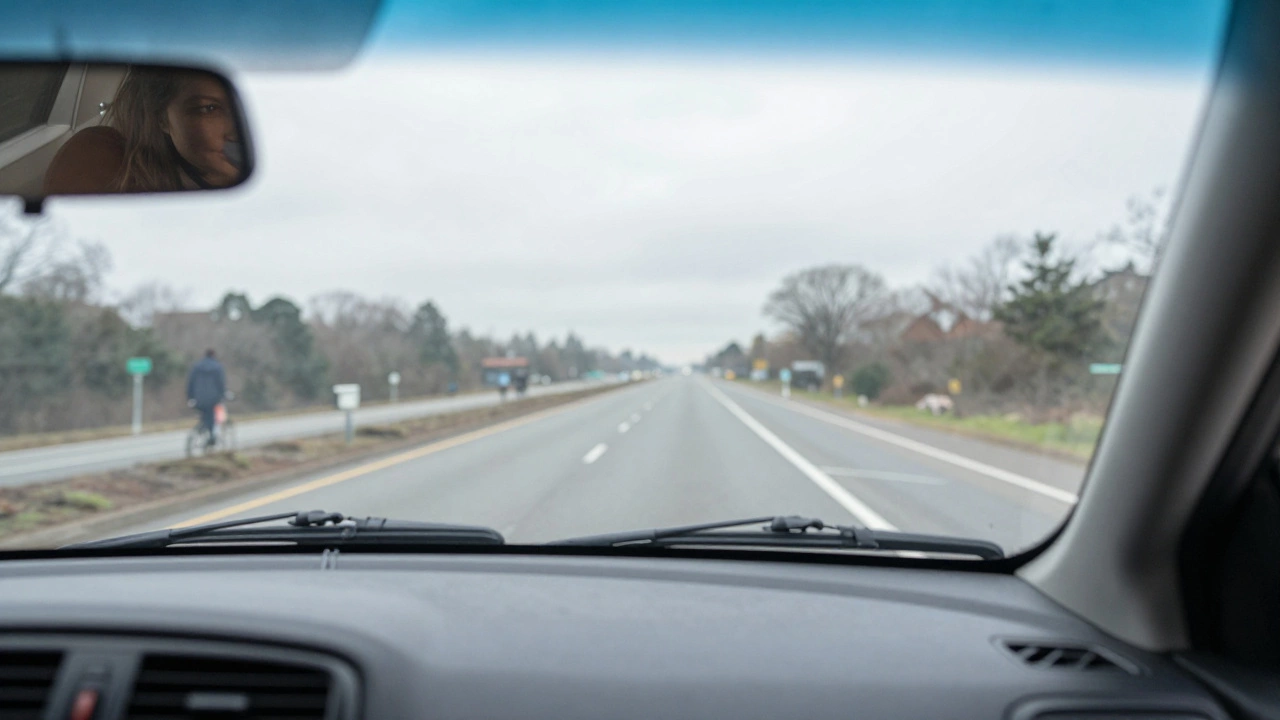
Afternoon tests carry higher risks. The sun can dip low in the sky, creating blinding glare directly in your eyes or mirrors. If your test route involves facing west in the late afternoon, you might struggle to see pedestrians or cyclists. Furthermore, lunchtime rushes introduce erratic drivers who are distracted by food delivery apps or hurried meetings. A simple merge onto a highway becomes exponentially harder when every car around you is changing lanes aggressively.
Weather Considerations: Rain, Snow, and Sun
You cannot control the weather, but you can check forecasts. Avoid booking during seasons known for extreme weather unless you are specifically training for those conditions. In Wellington, New Zealand, for instance, winter winds can affect vehicle handling, especially for larger cars. Heavy rain reduces tire grip and increases stopping distances, requiring you to adjust your braking technique significantly.
However, don't avoid bad weather entirely. Examiners expect you to drive safely in all conditions. If you only practice in sunshine, you may panic when it rains. Instead, use mild overcast days. These provide excellent visibility without the glare of direct sunlight. Cloud cover acts as a natural diffuser, making it easier to spot hazards. Many experienced instructors recommend practicing on cloudy days to simulate the ideal testing conditions.
Examiner Psychology: What Really Matters
Let's address the elephant in the room: does the examiner matter? Yes, but not because some are "nice" and others are "mean." All licensed examiners follow the same marking criteria. Their job is to assess safety, not personality. However, human factors still play a role.
An examiner who has had a long day dealing with difficult candidates might be less tolerant of minor errors. Conversely, one who started their day smoothly might be more forgiving of small mistakes like stalling once. This is why morning slots are advantageous-you are likely one of the first candidates of the day. The examiner is fresh, focused, and hasn't built up frustration from previous failures.
Also, consider the location. Tests booked at busy centers might involve longer waits and more distractions. Smaller, regional centers often have quieter environments, allowing you to concentrate better. If possible, choose a test center closer to home to minimize travel stress before the exam begins.
Preparation Over Prediction
While timing helps, it doesn't replace skill. The best day to take your test is the day you feel fully prepared. Rushing to book a "lucky" slot without adequate practice is a recipe for failure. Focus on mastering core maneuvers: parallel parking, hill starts, and roundabouts. Practice these until they become muscle memory.
Use mock tests to simulate real pressure. Ask your instructor to mark you strictly against official guidelines. Identify weak points and drill them repeatedly. Confidence comes from competence, not calendar tricks. When you walk into the test car, you should feel ready to handle any situation, regardless of the day or time.
| Time Slot | Traffic Level | Visibility | Stress Factor | Recommendation |
|---|---|---|---|---|
| Monday Morning | High (Rush Hour) | Good | High | Avoid |
| Tuesday/Wednesday Morning | Medium | Excellent | Low | Best Option |
| Thursday Afternoon | Medium-High | Variable (Glare Risk) | Medium | Acceptable |
| Friday Late Afternoon | Very High | Poor (Sunset Glare) | Very High | Avoid |
| Weekend | Unpredictable | Good | High (Leisure Traffic) | Not Recommended |
Common Mistakes to Avoid When Booking
Many learners make the mistake of booking too far in advance. Conditions change, and so do your skills. Wait until you have consistently passed mock tests before locking in a date. Also, avoid last-minute bookings. These often force you into undesirable time slots, such as late afternoons or weekends, due to limited availability.
Another error is ignoring the route. Familiarize yourself with common test routes in your area. Know where the tricky junctions are. Practice them multiple times. This preparation reduces anxiety and allows you to focus on execution rather than navigation.
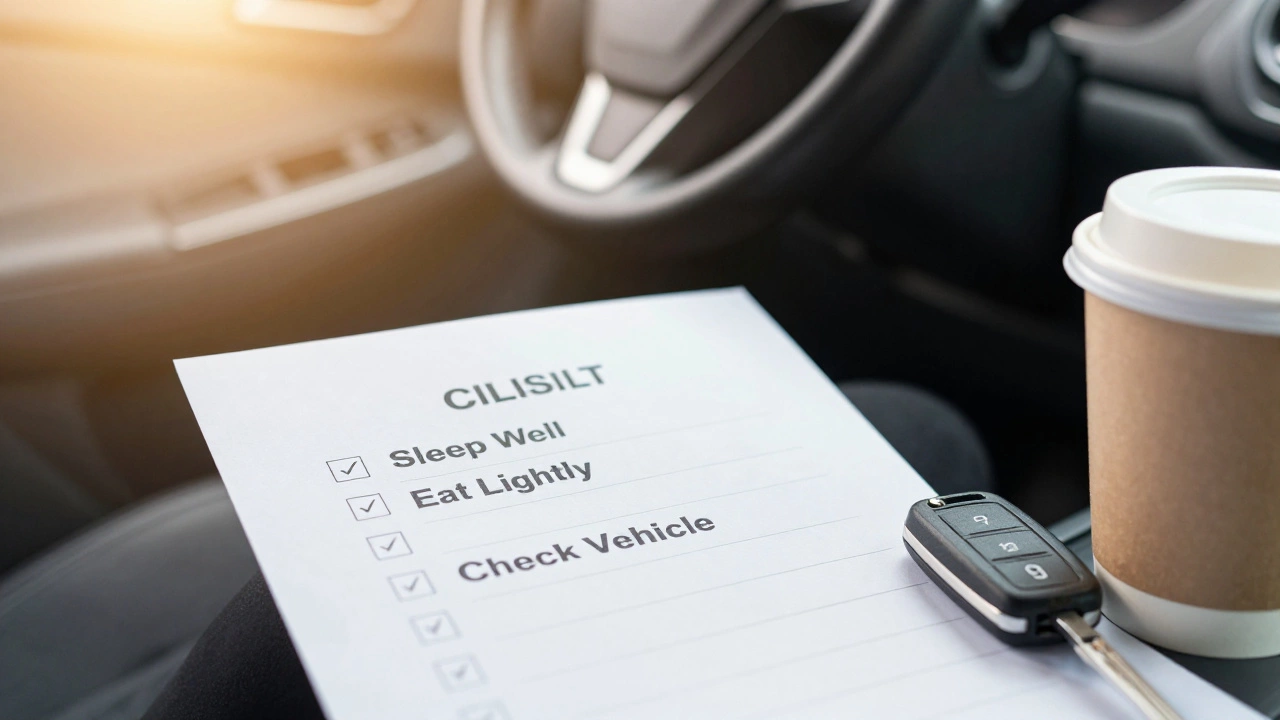
Final Checklist Before Your Test Day
- Sleep Well: Get at least 7-8 hours of sleep the night before.
- Eat Lightly: Avoid heavy meals that cause drowsiness. Opt for protein-rich snacks.
- Arrive Early: Give yourself 15 minutes buffer time to calm nerves and review documents.
- Check Vehicle: Ensure your car is clean, fueled, and mechanically sound.
- Dress Comfortably: Wear flat shoes and loose clothing for easy pedal operation.
Remember, the goal is not perfection-it's safety. Examiners want to see that you can drive responsibly in everyday situations. By choosing a favorable time slot and preparing thoroughly, you put yourself in the best position to succeed.
Is there really a "best" day to take my driving test?
While no day guarantees a pass, Tuesday and Wednesday mornings are widely considered optimal due to moderate traffic levels, good lighting, and examiner freshness. These conditions minimize external stressors, allowing you to focus on your driving skills.
Should I take my test in the morning or afternoon?
Morning tests are generally better. You are more alert, traffic is predictable post-rush hour, and lighting conditions are superior. Afternoon tests risk sun glare and increased fatigue for both driver and examiner.
Does the examiner's mood affect my result?
Examiners follow strict guidelines, so personal bias is minimal. However, a fresh, rested examiner is likely to be more patient and clear in instructions. Morning slots ensure the examiner hasn't been fatigued by previous tests.
Can I reschedule my driving test if the weather is bad?
Usually, yes, but fees may apply. Check your local licensing authority's policy. Minor rain or wind rarely warrants cancellation, but severe storms or snow might. Always prioritize safety-if conditions are dangerous, contact the testing center immediately.
How far in advance should I book my driving test?
Book 4-6 weeks in advance. This gives you enough time to prepare without losing momentum. Avoid booking too early if you're not ready, as rescheduling fees can add up. Aim for a slot when you feel confident in mock tests.